
Tools
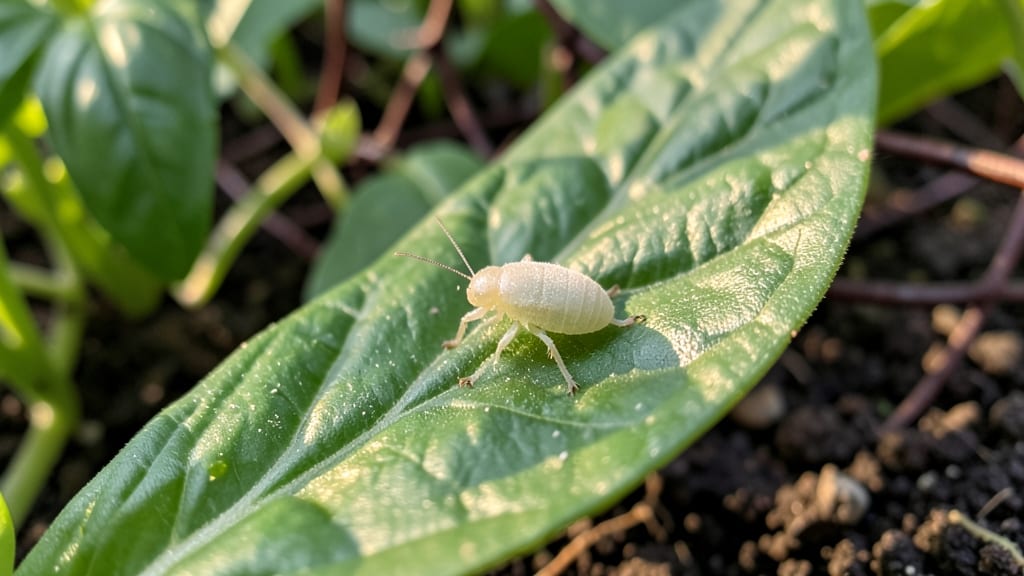
A gardening bug net saved my struggling tomato plants last summer when Japanese beetles turned my leaves into lace. 🌱 The right mesh keeps pests out while letting sunlight and rain through—no chemicals, no harm to beneficial insects, just pure protection.
I learned the hard way that not all nets are created equal, so I’ll walk you through what actually works in the garden.
Lightweight mesh nets come in different sizes and materials, but the best balance durability and breathability. Look for 60-80% shade cloth—enough to deter pests but still allow airflow for healthy growth.
I use a 5-foot by 7-foot frame for my raised beds, but smaller handheld nets work for individual plants. The key is securing it tightly so pests can’t crawl underneath, and choosing a net with UV resistance so it doesn’t degrade in weeks.
Once you’ve got the right net, the payoff is immediate: no more skeletonized leaves or fruit damage. My tomatoes thrived under the mesh, producing 20% more than the unprotected plants nearby. The best part?
You can reuse it season after season if you store it properly. Just remember to remove it during pollination if your plants need it—bees still need access to do their job.
For a full pest-proof garden, pair your bug net with companion planting and neem oil sprays. The net handles the heavy lifting, while these methods create a layered defense. Whether you’re protecting your veggies, flowers, or herbs, this combo keeps your garden thriving without the guesswork.
Pests Find Your Garden Too Tempting
Pests don’t just wander into your garden by accident—they’re drawn in by a mix of environmental cues, plant signals, and even human behavior. Understanding why they target your plants (and how a lightweight mesh barrier helps) starts with breaking down the science behind their attraction.
Here’s what’s really happening in your yard:
Plants may seem passive, but they’re actually broadcasting distress signals that pests can’t resist.
When plants are stressed—due to drought, nutrient deficiencies, or damage—they release volatile organic compounds (VOCs) like: - Green leaf volatiles (GLVs): Attract aphids, whiteflies, and spider mites. - Terpenes (e.g., limonene, pinene): Lure beetles and caterpillars to feast on fragrant herbs or citrus. - Sugary honeydew: Aphids excrete this sticky substance, which attracts ants (their "bodyguards") and fungal infections.
Actionable fix: Healthy plants resist pests better. Water deeply, mulch to retain moisture, and prune damaged leaves to reduce chemical signals.
Pests aren’t just after your plants—they’re after you. Many garden invaders (like cabbage moths or squash bugs) use your home as a launchpad for raids.
Here’s how: - Warm, dark corners: Spiders, earwigs, and slugs hide in mulch piles, woodpiles, or under pots during the day. - Standing water: Mosquitoes and fungus gnats breed in saucers, clogged gutters, or damp soil. - Overripe fruit/veggies: Fallen tomatoes or dropped apples become buffet zones for fruit flies and wasps.
Actionable fix: Store firewood away from plants, empty saucers after watering, and pick up fallen produce immediately. A fine-mesh barrier (like a bug net) creates a physical block between pests and your crops before they even get close.
Pests thrive in specific weather windows, and climate shifts can turn your garden into a pest paradise overnight.
Key triggers: - Warm nights + humid days: Perfect for soft-bodied insects (aphids, thrips) to multiply rapidly. - Sudden rain: Washes away natural predators (like ladybugs) while leaving slugs and snails slippery and active. - Drought stress: Weakens plants, making them easier targets for borers and beetles.
Actionable fix: Monitor weather forecasts and cover vulnerable plants (e.g., seedlings, young tomatoes) with a lightweight net during high-risk periods. Elevate containers to prevent slugs from crawling up.
Not all insects are villains—pollinators and predators (like lacewings, parasitic wasps, and ground beetles) keep pests in check. But when their habitat disappears, pests win.
Common disruptors: - Pesticide overuse: Kills both pests and their natural enemies (e.g., neonicotinoids harm bees and predatory mites). - Monoculture planting: Large blocks of one plant (like a vegetable garden) attract pests in swarms and starve out diverse predators. - Loss of wildflowers: Bees and hoverflies need nectar sources; without them, they abandon your garden.
Actionable fix: Plant companion flowers (e.g., marigolds, dill, alyssum) near veggies to attract predators. Avoid broad-spectrum sprays—opt for targeted barriers (like a bug net) to protect plants without harming ecosystems.
You might unknowingly be inviting pests with everyday gardening choices:
- Bringing in contaminated soil: Potting mix from big-box stores can harbor fungus gnat eggs or weed seeds.
- Reusing containers: Old pots may harbor overwintering pests (e.g., whiteflies in greenhouse trays).
- Composting meat/dairy: Attracts rodents and flies instead of beneficial microbes.
Actionable fix: Sterilize containers with a 10% bleach solution, use sterile seed-starting mix, and compost only plant waste. A physical barrier (like a bug net) is your last line of defense against hitchhiking pests.
Unlike chemical sprays that disrupt ecosystems, a gardening bug net works by: ✅ Blocking entry without harming pollinators or soil life. ✅ Allowing airflow to prevent fungal diseases (unlike plastic sheets). ✅ Being reusable for seasons—no residue or cleanup.
The key? Use it proactively—before pests arrive—not as a last resort.
Fixing Common Bug Net Issues
A lightweight mesh barrier like a gardening bug net is a gardener’s secret weapon against pests—but even the best tools can run into snags. Whether your net tears too easily, slips off plants, or fails to block intruders, these practical fixes will get your garden back on track.
Below, we’ve mapped common problems to simple solutions, plus prevention tips to keep your net working like new.
Cause: Low-quality mesh, rough handling, or snagging on sharp plant edges.
Fix It:
- Upgrade your mesh 🔧 – Look for heavy-duty, UV-resistant polyethylene mesh (50+ denier) that won’t fray under pressure. Brands like GrowGuard or Tuff-Net are built to last.
- Seal weak spots 🧵 – If small tears appear, patch them with clear fishing line or heavy-duty tape (like Gorilla Tape). For bigger holes, sew a reinforced mesh patch with a stitching needle and thick thread.
- Handle with care 🛡️ – Avoid dragging the net across gravel, rocks, or thorny plants. Roll it up gently when storing to prevent creases that weaken fibers.
Prevent It: ✅ Trim sharp plant edges (like rose thorns or holly) before draping the net. ✅ Use soft ties (like velcro straps or bungee cords) instead of wire or zip ties that can cut the mesh. ✅ Check for wear every 2–3 weeks and replace if the mesh becomes brittle or holes spread.
Cause: Poor securing methods, lightweight materials, or windy conditions.
Fix It:
- Switch to adjustable fasteners 🔗 – Ditch flimsy clips! Use ratchet straps, carabiners, or heavy-duty rubber bands to cinch the net tightly around plant stems or hoops.
- Create a weighted barrier ⚖️ – For ground-level plants, bury the net’s edges slightly or anchor them with stakes and sandbags to prevent flapping.
- Use a frame for support 🏗️ – For large plants (like tomato cages), attach the net to a sturdy hoop or wire frame before draping it over the plant.
Prevent It: ✅ Measure twice, secure once – Always pre-stretch the net before attaching to avoid sagging. ✅ Choose wind-resistant designs – Look for nets with built-in grommets or reinforced edges for easy tying. ✅ Reinforce high-wind areas – If your garden is breezy, double up the net or use windbreak stakes for extra stability.
Cause: Gaps in mesh, improper coverage, or pests crawling under edges.
Fix It:
- Inspect mesh size 🔍 – Most effective nets have 0.6mm (18-mesh) or finer holes to block flies, beetles, and aphids. If pests slip through, upgrade to a finer mesh.
- Seal all entry points 🚪 – Ensure the net fully covers the plant, including undersides of leaves and soil level. Use duct tape or mesh tape to seal gaps where the net meets the stem or ground.
- Add a double layer 🧥 – For tiny pests (like thrips or whiteflies), layer two nets with slightly different mesh sizes to create an extra barrier.
Prevent It: ✅ Check for tears weekly – Even small holes can become pest highways. ✅ Elevate the net slightly (1–2 inches off the ground) to deter crawling insects like earwigs. ✅ Combine with companion planting – Place pest-repelling herbs (basil, marigolds) near netted plants to confuse insects.
Cause: Exposure to UV rays, rain, or extreme temperatures breaks down mesh fibers.
Fix It:
- Store it properly 🏠 – When not in use, fold the net flat in a shaded, dry place (like a garage or shed). Avoid leaving it sun-bleached on a rack.
- Apply a protective spray 💦 – Lightly mist the net with waterproofing spray (like 303 Aerospace Protectant) to extend its lifespan in rainy climates.
- Replace old nets 🔄 – If the mesh becomes brittle or yellowed, it’s time for a new one—invest in a UV-stabilized model for long-term use.
Prevent It: ✅ Use a net with a UV inhibitor – Look for labels like "UV-resistant" or "all-weather" for durability. ✅ Limit sun exposure – If possible, position nets on the north or east side of plants to reduce direct sunlight. ✅ Clean after use – Rinse off dirt and sap with water to prevent mold or mildew buildup.
Cause: Vines, flowers, or new shoots grow through the mesh, tearing it over time.
Fix It:
- Prune aggressively ✂️ – Trim back any plant parts that pierce the net, especially fast-growing vines (like cucumbers or squash).
- Use a larger net 📏 – If your plants outgrow the net, opt for an extra-wide model (e.g., 6’x8’ instead of 4’x5’) to avoid constant adjustments.
- Loosen and readjust 🔄 – Every 2–3 weeks, gently lift the net and reposition it to prevent plants from pushing through weak spots.
Prevent It: ✅ Choose slow-growing plants under nets when possible (e.g., peppers, herbs) or harvest early to keep growth manageable. ✅ Avoid overcrowding – Give plants extra space so they don’t compete for room inside the net. ✅ Use a breathable but sturdy net – Double-layered mesh (like agricultural shade cloth) resists tears better than single-layer nets.
- Rotate nets – If you have multiple plants, swap nets seasonally to distribute wear evenly.
- DIY repairs – Old tights or sheer fabric can act as emergency patches for small tears.
- Combine with row covers – For early-season pests, layer a floating row cover under the net for extra protection.
With these fixes, your gardening bug net will stay intact, effective, and pest-proof for seasons to come—keeping your plants safe without the hassle! 🌱🛡️
Frequently asked questions
What size mesh should I look for in a bug net to block common garden pests?
For most garden pests like aphids, beetles, and flies, choose a net with 0.6mm (18-mesh) or finer holes. This size blocks tiny insects while still allowing sunlight and airflow. For larger pests like Japanese beetles, a 1mm mesh works well. Always check the label for the exact hole size—it’s the best indicator of effectiveness.
Can I use a bug net on flowering plants without harming pollinators?
Yes, but you’ll need to remove the net temporarily during peak pollination hours (usually mid-morning to early afternoon). Most pollinators like bees can squeeze through 3mm mesh, but finer meshes (like 0.6mm) will block them. If you’re protecting flowers, opt for a larger mesh size or leave gaps for pollinators while still deterring pests.
How do I keep a bug net from blowing away in windy conditions?
Secure the edges with heavy-duty stakes, sandbags, or weights to anchor it to the ground. For larger plants, use a hoop or wire frame to create a tent-like structure. Avoid flimsy clips—opt for ratchet straps or bungee cords to tighten the net without cutting the mesh. If your garden is especially windy, consider a double-layered net for extra stability.
Will a bug net work for slugs and snails?
Bug nets are designed for flying and crawling insects, not slugs and snails. For these pests, use a physical barrier like copper tape, diatomaceous earth, or beer traps. If you’re protecting seedlings, elevate them with pots or containers to keep slugs away. A bug net won’t stop slugs from crawling underneath, so pair it with other slug-control methods for best results.
How long does a quality bug net last before needing replacement?
A high-quality, UV-resistant bug net should last 3-5 years with proper care. Exposure to sunlight, rain, and rough handling will shorten its lifespan. Store it in a shaded, dry place when not in use, and avoid leaving it exposed to direct sunlight for long periods. If the mesh becomes brittle or develops large tears, it’s time to replace it.