Tools
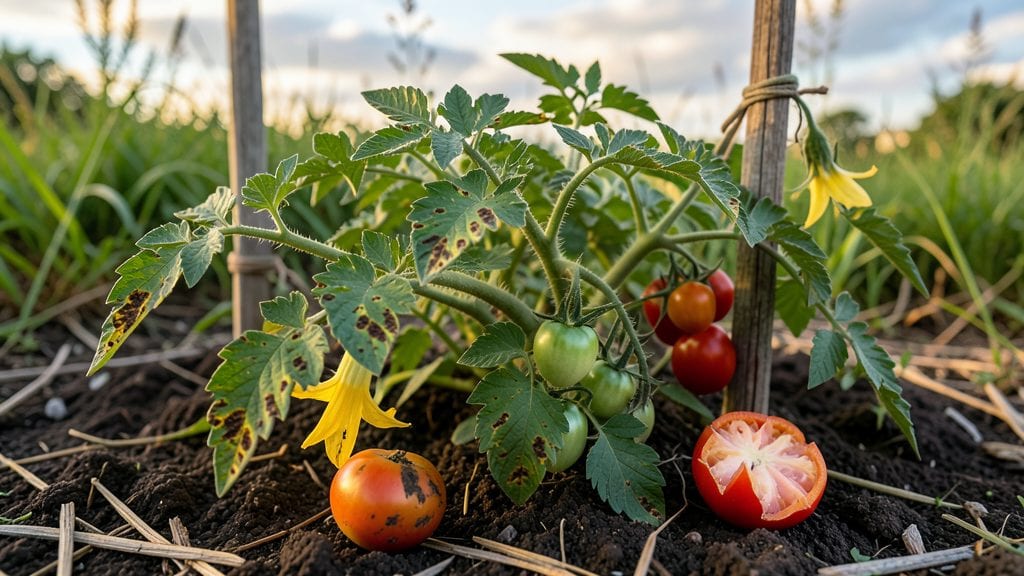
When your garden tomatoes face those classic garden tomato problems—dropping blossoms or splitting open like overripe peaches—it’s not just frustrating; it’s your plants’ way of screaming for help. 🌱 I’ve lost entire harvests to these issues, but I’ve also learned the fast fixes that save the day. fixes that turn things around in days, not weeks.
The key is spotting the problem early and acting before it spreads.
Blossom drop usually means too much heat, not enough water, or a calcium shortage—all fixable with simple adjustments. Cracked fruit? That’s often a watering inconsistency problem, where plants soak up too much too fast.
The good news is these fixes don’t require fancy tools or expensive sprays; most solutions are right in your shed or garden shed.
By the time you finish these quick steps, your plants will be back on track—no more wasted blossoms or split tomatoes. You’ll see stronger stems, better fruit set, and a harvest that actually matches what you planted. Let’s get those tomatoes thriving again before another batch goes to waste.
Whether you’re dealing with a single plant or your whole garden, these fixes work in any climate. The secret is acting fast and keeping an eye on your plants’ signals—just like I wish I had done my first few years growing tomatoes.
Root Causes Behind Tomato Troubles
Garden tomatoes are finicky little fruits—when things go wrong, it’s usually because their basic needs aren’t being met. Understanding the why behind common issues like blossom drop or cracked fruit helps you fix the problem at its source. Let’s break down the science so you can grow healthier plants.
Blossom drop happens when tomato flowers fall off before fruiting, often due to environmental stress. The most common triggers are:
- Extreme temperature swings – Tomatoes thrive in 60–85°F (15–29°C) during the day. If temps spike above 90°F (32°C) or drop below 50°F (10°C), the plant redirects energy away from fruit development, causing flowers to abort. Hot, dry winds can worsen this by increasing transpiration stress.
- Inconsistent watering – Fluctuating soil moisture confuses the plant, leading to hormonal imbalances. Drought stress triggers abscisic acid (a plant hormone) to signal flower drop, while sudden heavy watering can drown roots, cutting off nutrient flow.
- Nutrient deficiencies (especially calcium & boron) – Calcium helps cell walls form; boron aids pollen tube growth. A deficiency means flowers can’t develop properly, leading to drop. Over-fertilizing with nitrogen (e.g., too much blood meal) also shifts energy toward leaves instead of fruit.
💡 Pro Tip: Use shade cloth during heatwaves and mulch to keep soil moist. A balanced fertilizer (10-10-10) with micronutrients can prevent deficiencies.
Cracks in tomatoes—whether radial (star-shaped) or concentric (circular)—are almost always linked to water management. Here’s the science:
- Rapid soil moisture changes – Tomatoes absorb water through their roots, but if the soil goes from bone-dry to soggy in hours (e.g., after a heavy rain or overwatering), the fruit expands faster than its skin can stretch. This creates tensile stress in the cell walls, leading to cracks.
- Inconsistent watering patterns – Plants develop deep roots when watered deeply but infrequently. If you surface-water daily, roots stay shallow, and the plant can’t regulate water uptake, causing uneven growth.
- Poor soil drainage – Compacted or clay-heavy soil traps excess water, forcing roots to suffocate. When roots can’t breathe, they can’t absorb water efficiently, leading to erratic fruit swelling.
- Overhead watering – Wet leaves + humidity = fungal pressure (like early blight), but it also dilutes nutrients in the soil, weakening cell structure.
🌡️ Fix It: Water at the base (drip irrigation or soaker hoses) in the morning so foliage dries quickly. Use mulch (straw or wood chips) to maintain even moisture. For clay soil, amend with compost or perlite to improve drainage.
While pests and diseases don’t directly cause blossom drop or cracking, they stress the plant, making it more susceptible to these issues. Here’s how:
- Root damage (nematodes, grubs, or fungal rot) – Healthy roots absorb water and nutrients efficiently. If pests like root-knot nematodes or cutworms attack, the plant can’t support fruit development, leading to drop. Wilting leaves = less photosynthesis = fewer resources for flowers.
- Fungal infections (early blight, septoria leaf spot) – These diseases clog stomata (leaf pores), reducing the plant’s ability to take up water and CO₂. A stressed plant prioritizes survival over reproduction, causing flowers to fall.
- Viral infections (e.g., tomato mosaic virus) – Viruses distort plant growth, leading to uneven fruit development. Cracks form because the fruit grows in lopsided patterns due to stunted cell division.
🔥 Prevent It: Rotate crops yearly, use neem oil for pests, and apply copper fungicide preventatively. Remove infected leaves immediately to stop spread.
Most tomato problems boil down to three core issues: water stress, temperature extremes, or biological pressure. Once you identify the root cause, fixing it is often as simple as adjusting your care routine. Next up: Quick fixes to save your crop.
Quick Fixes for Common Tomato Troubles
Now that you know the why behind your tomato plant’s struggles, let’s tackle the how—with practical, garden-tested solutions to save your harvest. Whether your tomatoes are dropping blossoms, splitting open, or looking lackluster, these fixes will get your plants back on track.
And don’t worry—most remedies require just a few simple adjustments (and maybe a little extra love!).
Cause: Stress from heat, drought, or nutrient imbalances causes flowers to abort before fruiting.
🔥 Fix It Fast: Adjust Watering & Shade
- Even out watering: 💧 Water deeply 1–2 times per week (check soil 1–2 inches down—it should feel moist, not soggy).
Drought stress triggers drop, but overwatering can too! - Mulch like a pro: 🌡️ Spread 2–3 inches of straw or grass clippings around the base to retain moisture and cool roots. Pro tip: Wet mulch better than dry mulch! - Shade during heatwaves: 🌞 If temps hit 90°F+, drape lightweight shade cloth (30–50%) over plants for 2–4 hours daily.
Avoid plastic sheets—they trap heat!
🍳 Feed the Right Way: Nutrient Balance
- Switch to a high-potassium fertilizer: 🥔 Use a balanced 5-10-10 or 0-10-20 formula (like tomato-specific fertilizer) to encourage fruiting. Avoid high-nitrogen (like lawn fertilizer)—it promotes leaves over fruit!
- Compost tea boost: 🌿 Brew 1 cup compost + 5 gallons water, steep for 24 hours, and water plants at the base.
Rich in micronutrients like calcium and boron, which prevent drop.
👨🍳 Long-Term Prevention
- Choose heat-tolerant varieties: 🌡️ Try ‘Heatmaster,’ ‘Solar Fire,’ or ‘Black Krim’—they handle heat better than standard tomatoes.
- Prune strategically: 🔪 Remove suckers (side shoots) to reduce plant stress, but leave 3–5 main stems for airflow.
- Avoid over-fertilizing: 🎯 Too much nitrogen = lush leaves, no tomatoes.
Stick to every 3–4 weeks during fruiting.
Cause: Rapid water uptake after drought or uneven moisture causes fruit to split.
🔥 Fix It Fast: Water Consistently
- Drip irrigation > hose: 💦 Use soaker hoses or drip lines to deliver water slowly and evenly at the base.
Avoid overhead watering—it dries leaves and encourages disease. - Water in the morning: ☀️ Wet soil by 8–10 AM so plants dry before evening. Night watering = fungal risks + cracked tomatoes.
🍳 Mulch & Moisture Control
- Double down on mulch: 🌿 Use black plastic or thick straw to keep soil temps stable. Fun fact: Mulched soil stays 5–10°F cooler than bare dirt!
- Test soil moisture: 🌡️ Stick your finger in the soil—if it’s dry 1 inch down, water.
If it’s damp, wait. Consistency is key!
👨🍳 Pick Early & Adjust Varieties
- Harvest soon: 🍅 Pick tomatoes as soon as they’re ripe (even if small) to prevent overgrowth.
Store in a cool, dry place (not the fridge!). - Choose crack-resistant types: 🎯 Try ‘Roma,’ ‘San Marzano,’ or ‘Brandywine’—they’re less prone to splitting than beefsteak varieties.
💡 Disease & Pest Defense
- Neem oil spray: 🍃 Mix 1 tbsp neem oil + 1 tsp mild soap + 1 quart water, spray every 7–10 days to deter pests like aphids and whiteflies.
- Copper fungicide: 🛡️ For early blight or septoria leaf spot, use copper-based spray (follow label rates) to protect leaves.
🌡️ Soil & Support Tips
- Add calcium: 🥛 If leaves show yellowing between veins, sprinkle crushed eggshells or gypsum around the base.
Calcium strengthens cell walls! - Stake or cage plants: 🪵 Use tomato cages or bamboo stakes to improve airflow and reduce disease. Avoid overcrowding—plants need space!
✨ Last Resort: Prune & Revive
- Trim damaged leaves: ⏰ Remove yellow or spotted leaves to redirect energy to fruit.
Use sterilized pruners to avoid spreading disease. - Folate spray: 💚 Mix 1 tsp folic acid + 1 gallon water, spray leaves weekly to boost chlorophyll and recovery.
Remember: Tomatoes are resilient—most problems fix themselves with consistent care. Start with water, shade, and nutrients, and watch your plants bounce back! 🍅🔥
Frequently asked questions about garden tomato problems
Why do my tomato flowers keep falling off before turning into fruit?
This is called blossom drop, and it’s usually caused by heat stress (above 90°F), inconsistent watering, or nutrient imbalances. Tomatoes need steady moisture and balanced nutrients (especially calcium and boron) to set fruit. Try mulching heavily and watering at the base in the morning to stabilize conditions.
How can I prevent my tomatoes from cracking open?
Cracked tomatoes happen when plants absorb water too quickly after drought. To fix this, water deeply and consistently—about 1-2 inches per week—using drip irrigation or soaker hoses. Mulch with straw to maintain even soil moisture, and avoid overhead watering, which can stress the plant.
What’s the best way to fix yellow leaves on my tomato plants?
Yellowing leaves often signal nutrient deficiencies (like nitrogen or magnesium) or overwatering. First, check soil moisture—it should be damp but not soggy. If leaves yellow between veins, it’s likely magnesium deficiency; add Epsom salt (1 tbsp per gallon of water) every 2 weeks. For nitrogen, use a balanced fertilizer (10-10-10).
Are there tomato varieties that resist common problems like cracking or blight?
Yes! For cracking-resistant tomatoes, try ‘Roma’ or ‘San Marzano’—they’re less prone to splitting. For disease resistance, choose ‘Celebrity’ (VFN-resistant) or ‘Mountain Merit’ (blight-resistant). These varieties are bred to handle heat, moisture fluctuations, and fungal pressure better than heirlooms.
Can I still save my tomato plants if they’re already showing signs of blight?
Early action is key! Remove all infected leaves immediately and dispose of them (don’t compost). Apply a copper fungicide spray every 7-10 days, and improve airflow by pruning crowded branches. For severe cases, consider replacing heavily infected plants to prevent spread.