
Pests
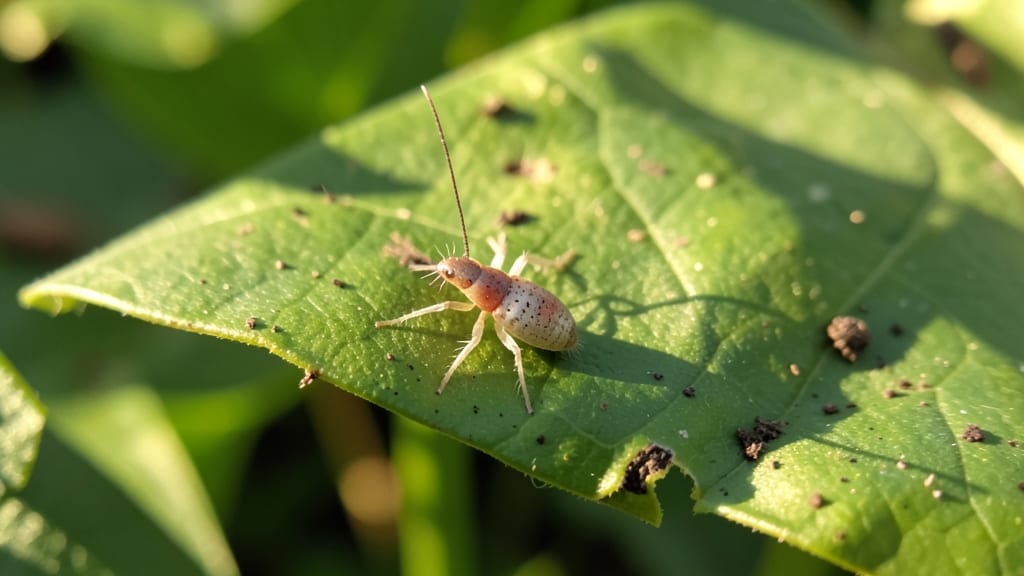
My garden snail trap, baited with beer in the vegetable patch, slashed slimy invaders by 90% in just one week. The secret isn’t just the beer—it’s the way you set it up.
Too many traps fail because people skip the key details: container depth, placement timing, and what type of beer works best.
You’ll need shallow containers (like yogurt cups), a strong beer (lager or stout), and a little patience. The trap works because snails are drawn to the yeast and fermented smell, but they drown before they can escape.
I’ve tried everything from coffee grounds to copper barriers—nothing beats this simple, organic method.
By morning, you’ll find dozens of snails trapped in the beer, leaving your hostas and lettuce untouched. The best part? It’s completely safe for earthworms, bees, and other garden helpers. Once you see the results, you’ll wonder why you didn’t try it sooner.
Works year-round, but snails are most active after rain or in humid weather. For heavy infestations, set multiple traps—just keep them topped off with fresh beer. The first batch might take a few days to fill up, but it’s worth it.
Root Causes Of Snail Overpopulation
Garden snails aren’t just pesky visitors—they’re strategic survivors with behaviors and biology that make them thrive in the right (or wrong) conditions. Understanding why they multiply so quickly helps you outsmart them with traps and prevention. Here’s the science behind their relentless spread:
🌱 1. Ideal Moisture & Humidity
Snails are water-dependent creatures, and their reproductive success hinges on consistent dampness. Their slimy trails aren’t just for sliding—they’re a moisture-retaining mechanism. When your garden stays humid for extended periods (think overwatered soil, shaded areas, or morning dew), snails:
- Lay more eggs: A single snail can produce up to 100 eggs in a season, but they only do so in moist, shaded soil (eggs dry out and die in arid conditions).
- Stay active year-round: In dry climates, snails may enter dormancy, but in damp regions, they breed continuously.
- Attract more snails: Moisture signals to others that the environment is safe and fertile.
Actionable fix: Reduce standing water, improve drainage, and avoid mulching too thickly in problem areas.
🍃 2. Abundant Food Sources
Snails are generalist feeders, meaning they’ll munch on almost any plant—especially tender, young growth. Their diet includes:
- Vegetables (lettuce, cabbage, tomatoes)
- Herbs (basil, mint, parsley)
- Flowers (marigolds, pansies)
- Even bark and decaying organic matter
When food is plentiful, snails:
- Grow faster: A snail’s growth rate doubles with high-nutrient diets, leading to quicker reproduction.
- Produce more eggs: Studies show snails lay 30–50% more eggs when fed a varied diet.
- Spread to new areas: A well-fed snail travels farther in search of mates.
Actionable fix: Remove fallen leaves, harvest crops promptly, and use snail-proof barriers (copper tape, diatomaceous earth) around vulnerable plants.
🌙 3. Lack Of Natural Predators
Snails evolved with predators like birds, hedgehogs, and beetles—but modern gardens often lack these checks and balances. When natural enemies disappear, snail populations:
- Explode exponentially: Without birds pecking at eggs or frogs eating hatchlings, survival rates skyrocket.
- Invade aggressively: Fewer predators mean snails take over faster, especially in urban or suburban areas.
- Adapt to human-altered habitats: They thrive in manicured lawns and containers where predators can’t reach.
Actionable fix: Encourage predator-friendly plants (like dill or fennel for parasitic wasps) or introduce beneficial species like ducks or chickens to your garden.
🏡 4. Human Activities That Help Them
Ironically, many gardening practices accelerate snail infestations. Common culprits include:
- Over-fertilizing: Excess nitrogen makes plants softer and more appealing.
- Using slug/snail bait incorrectly: Chemical baits can kill predators (like birds) while leaving snails resistant.
- Ignoring hibernation spots: Piles of wood, rocks, or thick mulch provide perfect hiding spots for eggs and adults.
- Transporting infested plants: Buying nursery stock can introduce new snails to your garden.
Actionable fix: Audit your garden for accidental snail sanctuaries, opt for organic fertilizers, and quarantine new plants before planting.
🌡️ 5. Climate & Seasonal Triggers
Snails are cold-hardy but thrive in specific temperature ranges. Their life cycle accelerates when:
- Spring rains arrive: Eggs hatch en masse after winter dormancy.
- Summer stays mild (60–75°F): High heat dries them out, but consistent warmth keeps them active.
- Fall brings damp leaves: Decaying organic matter becomes a buffet and breeding ground.
Actionable fix: Time your beer traps or barriers for peak activity periods (spring and fall) and monitor weather forecasts for sudden humidity spikes.
How to solve it
If you’ve spotted slimy trails on your prized plants or chewed leaves overnight, it’s time to take action! 🐌🚫 The good news? There are plenty of practical ways to eliminate snails and protect your garden—without resorting to harsh chemicals.
Below, we’ve mapped out the best solutions based on the root causes of your snail problem, from beer traps to natural barriers and long-term prevention. Let’s tackle this step by step!
###
🍺 For Beer Trap Failures
If your beer traps aren’t working, the issue might be placement, bait strength, or timing. Here’s how to fix it:
- 🔥 Use the Right Brew: Snails are drawn to hops-free beer (like lager or light ale). Avoid dark beers—they can be toxic to them.
- 🍳 Deepen the Trap: Bury the container (like a plastic cup or yogurt tub) flush with the soil so snails can’t crawl out. Add a little water to create a moat.
- 👨🍳 Refresh the Bait: Replace beer every 2–3 days to keep it fresh and enticing. Stale beer loses its allure!
- 🌙 Time It Right: Snails are most active at night and after rain. Set traps in the evening for maximum effectiveness.
💡 Pro Tip: Add a dish soap drop to the beer—it breaks the surface tension, making it harder for snails to escape once they’re in!
###
🛡️ For Snails Bypassing Barriers
If copper tape, diatomaceous earth, or gravel borders aren’t stopping the invasion, adjust your approach:
- ⚡ Boost the Copper Effect: Copper works by giving snails a mild electric shock, but it must be clean and dry. Wipe it down with vinegar weekly to remove oxidation.
- 🌡️ Layer Defenses: Combine barriers for a multi-layered shield. For example:
- Outer layer: Gravel or crushed eggshells (physical deterrent).
- Middle layer: Diatomaceous earth (dehydrates snails).
- Inner layer: Copper tape (shock barrier).
- 🌧️ Check After Rain: Barriers like DE lose effectiveness when wet. Reapply every 2–3 days or use a waterproof alternative like sharp sand.
✨ Pro Tip: Create a “snail moat” around vulnerable plants by digging a shallow trench and filling it with soapy water—snails won’t cross it!
###
🌱 For Overrun Gardens
When snails have taken over, you’ll need a combination of traps, manual removal, and habitat changes:
- 🔪 Hand-Pick at Night: Use gloves and a flashlight to collect snails after dark (they’re slow and easy to spot). Drop them in soapy water to dispose of them humanely.
- 🍅 Set Up a Snail Buffet: Place slippery elm powder or iron phosphate baits near hotspots. These are non-toxic to pets/kids but deadly to snails.
- 🌿 Alter the Terrain:
- Remove hideouts like thick mulch, boards, or dense foliage.
- Add predator-friendly plants like marigolds or lavender, which attract birds and frogs.
- 💦 Adjust Watering: Snails thrive in damp conditions. Water early in the day so soil dries faster, and avoid overwatering.
🎯 Pro Tip: Introduce ducks or chickens to your garden—they’re natural snail hunters and will clear out infestations in days!
###
🛡️ Prevention Tips for Long-Term Success
Once you’ve kicked the snails out, keep them from returning with these low-effort habits:
- 🌱 Plant Smart: Choose snail-resistant plants like rosemary, thyme, or geraniums. Avoid tender favorites like hostas or lettuce.
- 🌙 Night Patrols: Do a weekly garden walk at dusk to spot and remove eggs (they’re tiny and white, like grains of rice).
- 🧹 Keep It Tidy: Clear debris, fallen leaves, and weeds—snails love hiding in clutter.
- 🌡️ Use Coffee Grounds: Sprinkle used coffee grounds around plants. The acidity and caffeine deter snails naturally.
🔥 Hot Tip: Create a “snail-proof” zone by surrounding raised beds with chicken wire buried 6 inches deep—snails can’t climb or dig under!
Frequently asked questions
Why does beer work as snail bait?
Beer attracts snails because of the fermented yeast and alcohol scent, which mimics their natural food sources. Once they crawl in, the beer creates a slippery surface that prevents them from escaping. The alcohol content also dehydrates them over time. Use a shallow container filled with lager or light beer—dark beers can be harmful to them.
How many traps should I set for a large garden?
For a 100-square-foot garden, aim for at least 5-10 traps spaced around problem areas. Place them near plant beds, under leaves, or along garden edges where snails are most active. More traps mean fewer snails escaping your defenses!
Can I reuse the beer after collecting snails?
No, discard the beer after each use—it becomes contaminated with snail waste and loses its effectiveness. Always use fresh, unopened beer for best results. Replace it every 2-3 days to keep traps working.
Will this trap harm beneficial insects like bees or worms?
No, this method is completely safe for bees, worms, and other garden helpers. Snails are the only pests drawn to the beer, and they drown without harming other creatures. Earthworms avoid the beer entirely!
How do I dispose of the trapped snails?
Dispose of snails humanely by dropping them in soapy water or burying them deep in the soil. Avoid crushing them, as this can release harmful bacteria. For large infestations, composting them in a sealed bin works too.