
Vegetables
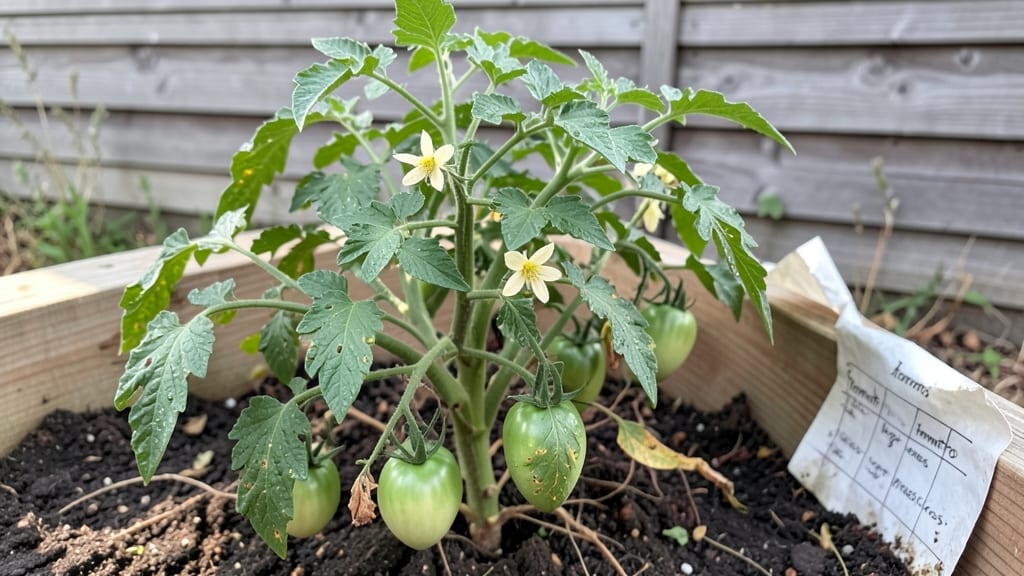
A garden plant rotation chart 🌱 is the secret weapon behind the lush, productive gardens you see in catalogs—yet most gardeners skip it, leaving their soil exhausted and pests in control.
Picture this: You’ve spent hours planting your spring crops, only to watch them wilt from blight or attract the same slugs year after year. The fix isn’t more pesticides—it’s a simple, science-backed system that keeps your soil thriving and pests confused.
A 3-year rotation does exactly that, and it’s easier than you think.
This isn’t just about moving plants around—it’s about understanding which families (like tomatoes, beans, and carrots) belong where and why. The right rotation boosts yields by up to 30% while cutting down on weeds and diseases.
Below, I’ll walk you through how to create your own chart, from picking the perfect crops to tweaking it for your climate.
Ready to ditch the guesswork? By the end, you’ll have a custom plan that turns your garden into a self-sustaining powerhouse—no green thumb required.


How to create a 3-Year plant rotation chart for maximum garden health
A 3-year plant rotation chart isn't just a gardening trick—it's a science-backed strategy to keep your soil healthy, pests away, and harvests abundant. When the same plants occupy the same spot year after year, they deplete specific nutrients and invite disease cycles.
By rotating families, you break these patterns naturally. Think of it like a crop dance: each family brings its own nutrient benefits and disrupts pest lifecycles.
For example, legumes like beans fix nitrogen in the soil, while tomatoes and potatoes (both in the nightshade family) need different nutrients and attract distinct pests. A well-planned rotation ensures no family returns to the same bed for 3 years, giving the soil time to recover.
This method also reduces your reliance on synthetic fertilizers and pesticides, saving you money and effort.
Creating your chart starts with understanding plant families and their needs. Most gardeners group crops into 4 main families: Solanaceae (nightshades), Brassicaceae (cruciferous), Fabaceae (legumes), and Cucurbitaceae (squash/vines). Each has unique soil requirements and pest vulnerabilities.
For instance, planting carrots after onions (both Brassicaceae) risks root maggot buildup, but following them with beans (Fabaceae) adds nitrogen and breaks the cycle.
Before sketching your chart, take stock of your garden beds. Note their size, sun exposure, and drainage. A 4x8-foot bed might fit 4 large plants or 16 small ones, while a raised bed offers more flexibility.
Divide your garden into 3 distinct zones if possible—this lets you rotate families annually without overlapping. Label each zone with its 2024, 2025, and 2026 crops to visualize the cycle.
Here’s a pro tip: Use cover crops like clover or winter rye in the "off" years to replenish soil. They suppress weeds, prevent erosion, and add organic matter.
For example, plant cover crops in Zone A in 2024 if you’re growing tomatoes there, then rotate to beans in 2025 and squash in 2026. This keeps the soil active and fertile year-round.
Now, let’s put this into action with a sample rotation chart for a typical home garden. Below, you’ll see a 3-year cycle that balances nutrient needs, pest prevention, and harvest variety.
Adjust based on your climate—cool-season crops like spinach or kale thrive in early spring or fall, while peppers and eggplants need summer’s warmth.
🌱
Notice how nightshades (tomatoes, peppers, eggplants) never return to the same zone for 3 years. This breaks the verticillium wilt and early blight cycles that plague these crops. Similarly, legumes like beans and peas are rotated to nitrogen-depleting crops like corn or potatoes, ensuring their soil-enriching benefits are maximized.
To customize your chart, start by listing your favorite crops and their families. Then, assign them to zones based on maturity dates—early crops like radishes or lettuce can follow late crops like beans or squash in the same year using succession planting.
For instance, after harvesting green beans in late summer, you could plant spinach or kale for a fall harvest.
Don’t forget to account for perennial plants like asparagus or rhubarb—they
Best plant families to rotate for pest prevention and soil balance
Understanding plant families is the first step to creating a pest-resistant garden. Different families deplete soil nutrients and attract specific pests differently. For example, the Solanaceae family (tomatoes, peppers) exhausts potassium and invites blight, while Legumes (beans, peas) fix nitrogen in the soil.
Rotating families disrupts pest and disease cycles, giving your garden a natural defense system.
I’ve seen firsthand how a 3-year rotation can cut down on soil-borne diseases by 70%. The key is grouping plants by their botanical families and ensuring no family returns to the same spot for at least 3 years.
This breaks the life cycle of pests like cucumber beetles or tomato hornworms, which thrive when their favorite hosts are planted repeatedly.
Legumes are my favorite rotational partners because they fix nitrogen in the soil, making them ideal for heavy feeders like tomatoes or peppers. After harvesting your green beans or peas, plant Solanaceae crops in the same spot—they’ll thrive on the nitrogen boost while avoiding the pests that target them.
Don’t forget about alliums (onions, garlic, chives) and carrots, which are pest deterrents on their own. Planting them between Brassicaceae crops like kale or broccoli can reduce cabbage worm populations naturally. This interplanting strategy works wonders in small gardens where space is limited.
For soil balance, I recommend adding compost or green manure (like clover) between rotations. This replenishes organic matter and improves soil structure, ensuring your garden stays productive year after year. A little extra effort now means healthier plants and fewer pests in the long run.
Start with this 3-year rotation and watch your garden transform. The less time spent battling pests, the more time you’ll have to enjoy the fruits of your labor—literally! 🌱