
Planting
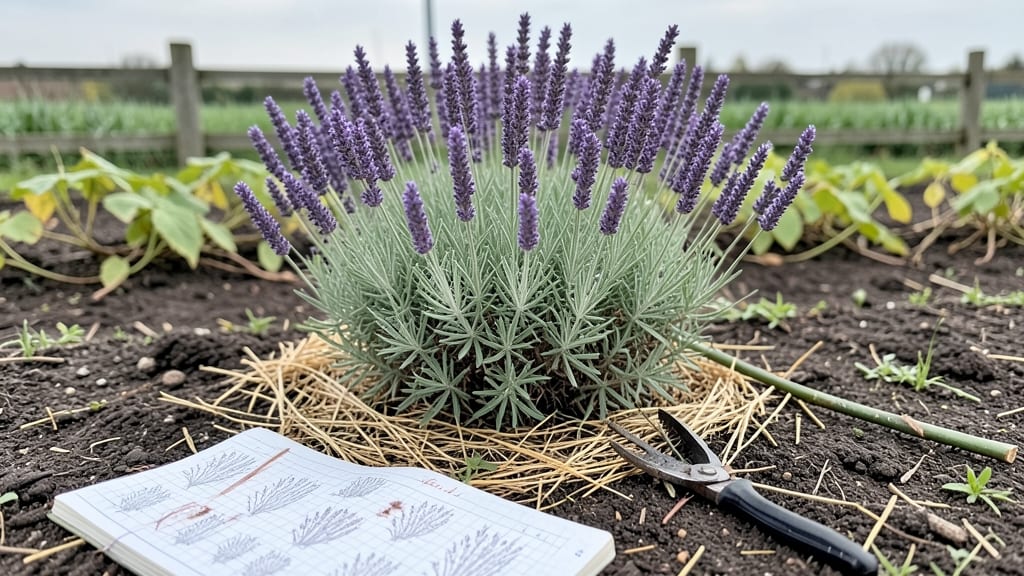
A garden plant planner is your secret weapon for turning even the tiniest yard into a lush, high-yielding paradise—without wasting a single square inch.
Picture this: you’ve spent hours hauling mulch and seedlings, only to realize your tomatoes are smothering the basil and your zucchini is hogging all the sun. That’s where a smart layout saves the day—balancing sun, shade, and space so every plant thrives.
With the right garden plant planner, you’ll learn how to stack companion plants vertically, squeeze in 10+ varieties in a 4’x4’ bed, and rotate crops seasonally to keep pests guessing. No more guesswork, just a strategic, beautiful garden that grows with you.
Below, I’ll walk you through the exact steps to design your space—from sketching your yard’s sunlight map to picking the perfect plants that play well together.


How to design a space-saving garden plant planner for small yards
A small yard doesn’t mean small results. With the right garden plant planner, you can transform tight spaces into lush, productive gardens. The key is strategic planning—combining vertical gardening, companion planting, and square-foot gardening to make every inch count.
Start by assessing your space’s sunlight exposure and soil quality, then map out a layout that prioritizes plant compatibility and growth habits. This approach ensures your garden stays organized, efficient, and visually appealing while maximizing yields.
Before grabbing your sketch pad or digital tool, focus on modular designs. Break your garden into zones based on plant needs—like sun-loving herbs near the patio or shade-tolerant greens under trees.
Use raised beds or container gardens to control soil quality and drainage, which is especially helpful in cramped areas. Even a 10x10-foot yard can become a bountiful oasis with the right plant planner and space-saving techniques. Let’s dive into the step-by-step process to create your dream compact garden.
Use a tape measure to map out your yard’s dimensions. Note sunlight patterns (track sun exposure for 6+ hours) and obstacles like fences or trees. Sketch a rough bird’s-eye view to visualize where vertical structures (like trellises) or raised beds can fit. This step ensures you’re working with realistic constraints and avoids wasted space.
Pick a space-saving method that fits your goals:
- Square-Foot Gardening: Divide beds into 1-foot squares for precise plant spacing (e.g., 1 tomato per square).
- Vertical Gardening: Use trellises, pallets, or hanging planters for vining plants like cucumbers or beans.
- Companion Planting: Pair plants with mutual benefits (e.g., basil + tomatoes to repel pests).
Opt for dwarf varieties or fast-maturing crops to save space. For example:
- Vegetables: Bush beans, baby carrots, lettuce (cut-and-come-again).
- Herbs: Thyme, oregano, chives (perennial and low-maintenance).
- Flowers: Nasturtiums (edible and pest-repelling) or marigolds (compact and fragrant).
Rotate crops annually to prevent soil depletion and pest buildup. Use a seasonal calendar to track:
- Spring: Cool-season crops like spinach or peas.
- Summer: Heat-loving plants like peppers or zucchini.
- Fall/Winter: Garlic, kale, or winter radishes in mild climates.
Transfer your sketches to a digital tool (like Garden Planner apps) or graph paper. Label each plant type, spacing, and sun requirements. Add walkways (2-3 feet wide) for easy access. Pro tip: Use color-coding for sun vs. shade plants to spot errors quickly.
After planting, monitor growth for 2-3 weeks. Adjust spacing if plants outgrow their allotted area or compete for sunlight. Take photos to track progress and refine your plant planner for next season. Small tweaks now can double your yield in future years!
One of the biggest mistakes I see in small gardens is overcrowding plants to fit everything in. Instead, focus on vertical space and companion planting to create a harmonious ecosystem. For example, pole beans climbing a trellis leave room for radishes or lettuce below.
This layered approach not only saves space but also improves air circulation, reducing the risk of fungal diseases. Think of your garden as a multi-level city—each plant has its own "apartment" with just the right conditions.
Don’t forget to incorporate mulch to retain moisture and suppress weeds. Organic mulch, like straw or wood chips, breaks down over time, enriching the soil naturally. This is especially useful in small gardens where weed competition can quickly take over. Aim for a
Best companion planting combinations for compact gardens
When space is limited, companion planting becomes your secret weapon to grow more in less area. The right plant pairings can boost growth, repel pests, and even save water—all while fitting neatly into small gardens, containers, or balcony planters.
For example, basil paired with tomatoes not only improves flavor but also deters pests like whiteflies, freeing up space for other crops.
Science-backed combinations focus on root competition, nutrient sharing, and pest deterrence. Tall plants like sunflowers can shade delicate greens, while marigolds naturally repel nematodes, protecting nearby vegetables.
Even in 4-inch pots, you can grow lettuce with radishes—the radishes sprout quickly, loosen soil, and leave space for the slower-growing lettuce.
Here’s how to maximize your garden plant planner with space-efficient pairings:
Start with three-sister gardening—a Native American technique where corn, beans, and squash grow together. The corn provides vertical support, beans fix nitrogen, and squash shades the soil, reducing weeds.
This trio thrives in 12-inch diameter containers or small beds, making it perfect for urban gardens.
For balcony gardens, pair strawberries with thyme—the thyme deters pests while the strawberries produce sweet fruit in shallow containers. Even herbs like dill and cabbage work well together; dill’s height provides shade for cabbage, while cabbage’s broad leaves protect dill from strong winds.
Remember, rotation matters. Swap plant families yearly to prevent soil-borne diseases and pests. Use your garden plant planner to map out these pairings seasonally, ensuring every inch of space works harder for you. With the right combinations, even a 4’x4’ plot can yield like a much larger garden!