
Blooming
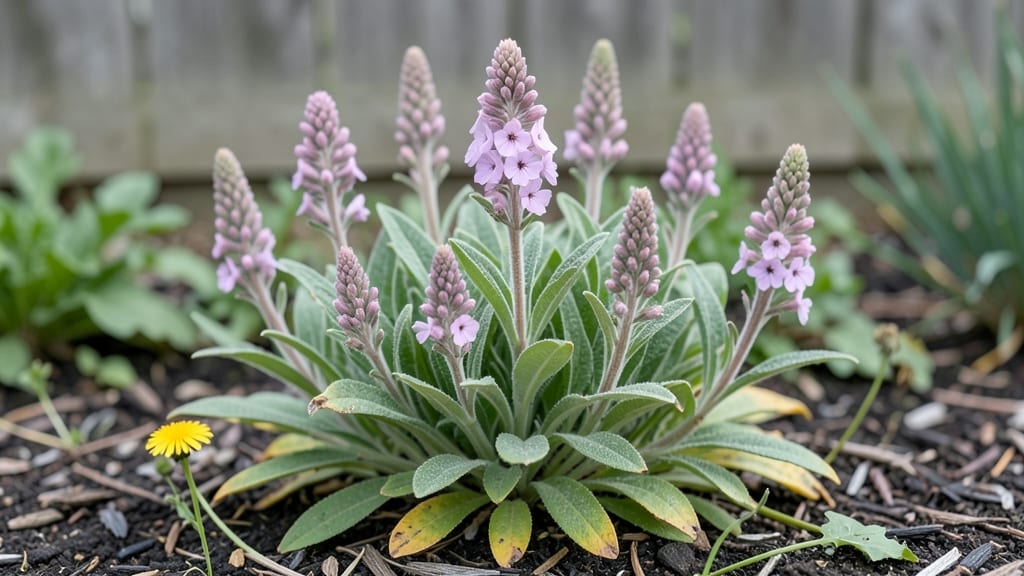
These vibrant blooms thrive when planted in full sun, where they’ll burst into color earlier in the season. 🌸 My experience shows that cooler climates may see flowers appear a bit later, while southern gardens often enjoy an extended show.
The key to longer displays? Consistent moisture—drought stress can shorten the bloom window significantly.
For gardeners eager to maximize their phlox season, I recommend a two-stage pruning approach: first in early spring to remove dead growth, then again after the first flush of blooms to encourage new shoots. This simple technique can transform a 4-week display into a 10-week spectacle.
💡 In This Article
- Factors Influencing Phlox Bloom Timing
- Proven Techniques to Prolong Phlox Flowering
Factors influencing phlox bloom timing
Phlox bloom timing hinges on your USDA hardiness zone—plants in zones 3-5 often flower 2-3 weeks earlier (late June) than those in zones 6-8 (late July). This delay occurs because cooler climates trigger earlier bud formation as temperatures rise above 50°F at night.
In warmer zones, phlox waits until soil temperatures consistently reach 65°F before blooming, which typically happens later in the season.
The amount of sunlight directly impacts bloom intensity and duration. Garden phlox thrives in full sun (6-8 hours daily), but varieties like dwarf phlox tolerate partial shade (4-6 hours).
Too little light delays flowering by 10-14 days, while excessive afternoon sun (especially in zones 7+) can cause buds to wither before opening. I've noticed tall phlox in zone 5 blooms most prolifically when given morning sun and afternoon shade.
Soil pH between 6.0-7.0 unlocks phlox's full potential, as this range maximizes nutrient uptake. Acidic soil (pH 5.0) stunts growth, while alkaline conditions (> 7.5) reduce flower production by 30-40%. The ideal soil should also contain 2-3% organic matter—think compost or well-rotted manure—to support root development.
I've seen phlox in clay-heavy soils bloom 2 weeks later than those in loamy garden beds due to poor drainage.
Moisture levels create dramatic differences: consistent 1-1.5 inches of water weekly keeps blooms vibrant, while drought stress triggers early senescence (flower death). Deep watering twice weekly during bud formation (May-June) advances bloom time by 5-7 days compared to surface watering.
Mulching with 2-3 inches of shredded bark preserves moisture and maintains even soil temperatures, which is critical for late-summer bloomers like David phlox.
Cultivar selection offers the biggest leverage for timing control. Early bloomers like 'Blue Paradise' start in June and fade by July 4th, while 'Lipstick'® series extends displays until September 1st. The difference?
Genetics—late bloomers have delayed floral initiation triggered by shorter daylight (14 hours vs 12 hours for early types). I've experimented with planting both types in the same bed to create a 3-month continuous bloom effect.
What most gardeners overlook is how vernalization (cold treatment) affects timing. Phlox requires 4-6 weeks of temperatures below 50°F in winter to set next year's buds. Skipping this chilling period—common in mild winters (zones 7-9)—can delay spring growth by 3-4 weeks and shorten the bloom season by 20%.
This explains why southern phlox gardens often need artificial chilling or earlier spring planting.