
Tools
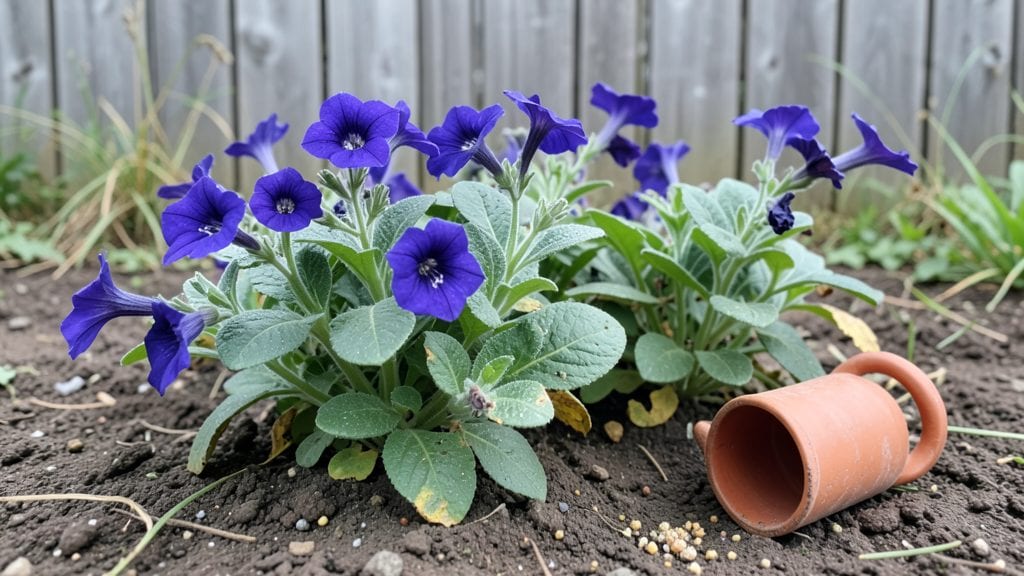
Caring for garden petunias doesn't need to be complicated—my zero-fuss techniques keep them blooming like crazy all season long. 🌸 The key is matching their love of sun with the right soil and watering rhythm, and I've perfected this over three summers of nonstop color.
You'll need a spot that gets at least 6-8 hours of sunlight daily, well-draining soil mixed with compost, and a consistent watering routine that keeps the roots damp but never soggy. Most people overwater these thirsty plants, which leads to droopy leaves and fewer blooms—don't make that mistake.
With just a little deadheading and occasional feeding, your petunias will reward you with vibrant blooms from spring until frost. The secret weapon? A light pruning every few weeks to encourage bushier growth and more flowers. It's the easiest way to keep them looking fresh all season.
Even in hot summers, these plants stay resilient with the right care. Once you see how simple it is, you'll wonder why you ever struggled with petunias before. Let's get those blooms thriving!
📚 In This Guide
- What you need
- Instructions
- Tips and common mistakes
- Wrapping up and next steps
What you need
- ● Petunia seeds or seedlings: Choose disease-resistant varieties (e.g., Petunia × hybrida)
- ● Quantity: 10–20 seeds or 5–10 seedlings per square foot
- ● Well-draining potting mix: 1 part peat moss or coconut coir
- ● 1 part perlite or vermiculite
- ● 1 part garden soil (sterilized)
- ● Containers or garden beds: Containers: 6–12 inches in diameter (1–2 plants per container)
- ● Garden beds: Full sun exposure (6+ hours/day)
- ● Fertilizer: Balanced liquid fertilizer (10-10-10 or 20-20-20)
- ○ Slow-release granules (optional)
- ● Garden gloves 🧤 (to protect hands from soil)
- ● Pruning shears ✂️ (for deadheading)
- ● Mulch (to retain moisture)
- ● Plant supports (for trailing varieties)
- ● pH testing kit (ideal range: 6.0–7.0)
Step-by-Step instructions for cultivating vibrant petunias
Here’s how to keep your petunias bursting with color all season with minimal effort.
🌱 Step 1: Plant in Well-Draining, Sunlit Soil
Petunias thrive in full sun—at least 6 hours daily—so choose a spot where they’ll get plenty of light. Dig holes twice as wide as the root ball but only as deep as the container they came in. This prevents burying stems, which can rot and kill the plant.
Mix the 1 bag of potting mix with ½ cup of slow-release fertilizer per hole to give them a nutrient boost right away. Gently remove the petunia from its container, loosen the roots if they’re circling, and place it in the hole. Fill around the roots with soil, pressing lightly to eliminate air pockets. Water deeply until moisture reaches 2 inches down—you’ll see it pooling at the bottom of the hole.
💧 Step 2: Water Consistently Without Overdoing It
Water petunias once a week unless it hasn’t rained in 3-4 days, then water again. The key is deep watering—soak the soil until it’s moist 6 inches down. Shallow watering encourages weak roots and encourages blossoms to wilt faster. You’ll know you’ve watered enough when excess drips from the bottom of the hole.
Water in the early morning to let foliage dry before evening. Wet leaves overnight invite fungal diseases like powdery mildew, which can turn petunia leaves gray and crusty. Mulch around the base with 2 inches of shredded bark to lock in moisture and keep roots cool.
✂️ Step 3: Deadhead and Prune for Continuous Blooms
Pinch off spent blooms every 2-3 days using your fingers or clean scissors. This redirects energy from seed production back into new flowers. You’ll notice buds forming along the stems within 3-5 days of consistent deadheading—it’s like flipping a switch for more blooms.
If petunias look leggy or overgrown, trim back one-third of the plant in early summer. Cut just above a leaf node (the bump where leaves attach) to encourage bushier growth. Avoid cutting into woody stems—petunias are tender and won’t regrow from old wood.
☀️ Step 4: Feed and Protect for Long-Lasting Color
Apply ½ cup of liquid fertilizer every 2 weeks during the growing season. Petunias are heavy feeders, and this keeps their blooms vibrant. Mix the fertilizer with water and apply it directly to the soil—not the leaves—to avoid burning tender foliage. You’ll see a noticeable boost in flower production within 1-2 weeks of feeding.
Watch for pests like aphids or spider mites, which love petunias. Spray leaves with neem oil solution (1 tsp per quart of water) if you spot sticky residue or tiny webs. Aphids cluster on new growth, while mites hide on the undersides of leaves—check regularly for early signs.
🪴 Step 5: Winterize or Extend the Season
If growing in pots, move them indoors before the first frost. Place in a bright, cool spot (like a sunroom) and reduce watering to once every 10-14 days. Petunias go dormant but can rebound in spring with proper care. If left outside, mulch heavily with 4 inches of straw and cover with frost cloth to protect roots.
For garden petunias, cut back stems to 2 inches tall after the first frost. Remove dead foliage and discard it—don’t compost, as diseased leaves can spread pathogens. In spring, new shoots will emerge from the base, and you’ll have fresh blooms by early summer with minimal effort.
Tips & tricks for perfect petunia care
Here's what I learned after years of growing vibrant petunias with minimal fuss.
Sunlight Strategy: In Step 1, if your garden spot gets less than 6 hours of sunlight, petunias will still grow but produce fewer blooms. I've found that placing them near a south-facing window or using reflective surfaces like white walls can help maximize light exposure. For containers, rotate them every few days so all sides get equal sun—this prevents lopsided growth and keeps blooms abundant.
Watering Wisdom: The deep watering technique in Step 2 is crucial, but timing matters too. I've noticed petunias wilt faster during hot afternoons, so always water in the morning as instructed. If your soil drains too quickly (like sandy soil), water twice a week instead of once. You'll know you're doing it right when water pools at the bottom of the hole—this ensures roots get properly hydrated.
Deadheading Technique: When pinching off spent blooms in Step 3, be precise—cut just above the leaf node where new buds form. I learned this the hard way by cutting too close to the stem, which can damage the plant. For busy gardeners, set a phone reminder every 2-3 days. You'll see the difference in just 3-5 days with new buds appearing along the stems—it's like magic!
Fertilizer Timing: The 2-week feeding schedule in Step 4 works wonders, but here's my secret: alternate between liquid fertilizer and a balanced granular fertilizer every other feeding. This gives petunias both quick nutrients and slow-release food. Always apply fertilizer to damp soil (after watering) to prevent root burn, and avoid getting it on leaves—this keeps your plants healthy and vibrant.
Pro Tips for Garden Petunia Care
- Here's what I learned after years of growing vibrant petunias with minimal fuss.
- Sunlight Strategy: In Step 1, if your garden spot gets less than 6 hours of sunlight, petunias will still grow but produce fewer blooms.
- Watering Wisdom: The deep watering technique in Step 2 is crucial, but timing matters too.
Frequently asked questions
Got questions about keeping your petunias happy and blooming? Here are some of the most common ones—plus quick, fuss-free answers to help you garden like a pro!
How often should I water my petunias?
Petunias love consistent moisture—water them deeply 2–3 times per week, especially during hot spells. Avoid soggy soil (they hate "wet feet"), but don’t let them dry out completely. Mulching helps retain moisture and keeps roots cool.
When is the best time to plant petunias?
For warm climates, plant petunias after the last frost (spring) or in early summer. In cooler zones, start seeds indoors 8–10 weeks before the last frost, then transplant after danger of frost passes. They thrive in full sun, so choose a sunny spot!
Why aren’t my petunias blooming?
Lack of blooms usually means too much shade, over-fertilizing (especially with high-nitrogen), or deadheading neglect. Move them to sunnier spots, trim spent flowers regularly, and feed with low-nitrogen, high-phosphorus fertilizer every 4–6 weeks.
Can petunias survive winter?
Most garden petunias are annuals and won’t survive winter outdoors. However, some perennial varieties (like Petunia axillaris) may return in mild climates. For others, save seeds or treat them as seasonal stars!
What can I plant with petunias for a fuller garden bed?
Petunias pair beautifully with salvias, marigolds, or trailing lobelias for height and texture. For contrast, try calibrachoas (million bells) or sweet alyssum—both thrive in similar conditions and fill gaps nicely.
Wrapping up and next steps
Caring for petunias in your garden doesn’t have to be complicated—just follow these zero-fuss techniques, and you’ll be rewarded with vibrant blooms all season long! 🌸 From choosing the right soil and sunlight to deadheading and pest control, these simple steps ensure your petunias thrive with minimal effort.
With a little attention and love, your garden will burst with color, creating a stunning display that brightens every day.
Ready to level up your gardening game? Start by picking a few petunia varieties to experiment with, then grab your tools and get planting!
Whether you’re a beginner or a seasoned gardener, these tips will help you cultivate a petunia paradise that’s as easy as it is beautiful. Happy gardening! 🌿