Tools
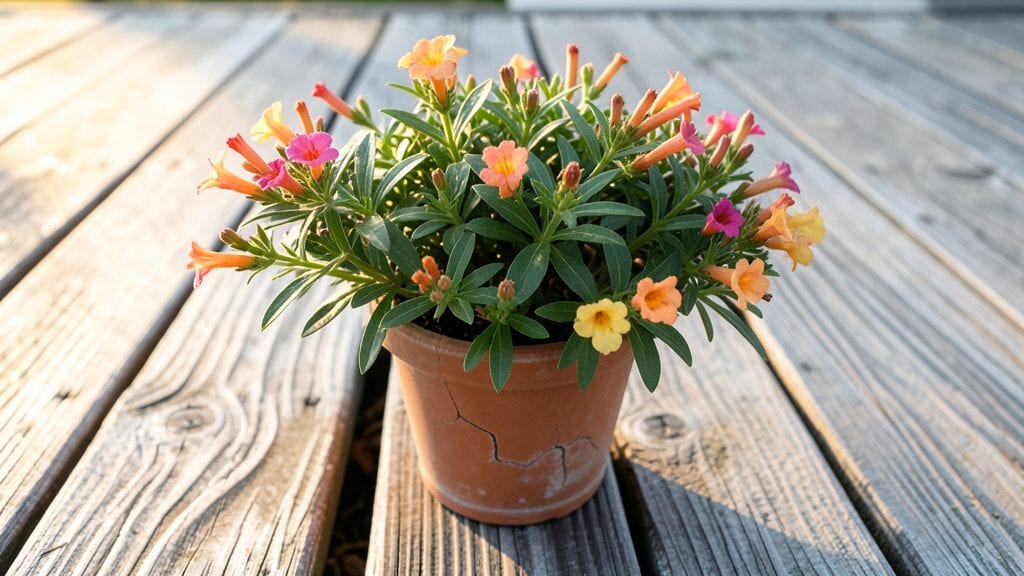
A garden on deck transforms your outdoor space into a lush retreat without the yard work. I turned my narrow deck into a fragrant, evergreen haven using lightweight containers and trailing vines that thrive in shallow soil.
The key is choosing plants that love sun but won’t outgrow their pots or roots in a few seasons.
Start with a mix of tall privacy plants like dwarf bamboo or ornamental grasses in 5-gallon containers, then add cascading options like sweet potato vine or creeping jenny for soft edges.
Add a 12-inch deep tray under pots to catch water, and use lightweight composite planters to avoid deck strain. A simple 2x4 frame with landscape fabric draped over it creates instant privacy while letting air circulate.
By summer, you’ll have a wall of greenery that blocks neighbors’ views while keeping your space cool. The best part? These plants need watering twice a week at most, and some—like sedum or heuchera—thrive on neglect.
Add a few solar-powered string lights for evening ambiance, and you’ve got a deck that feels like a secluded garden.
Works for any deck size—even tiny balconies—by stacking containers vertically or using wall-mounted planters. The only real mistake? Skipping the drainage layer. Trust me, soggy roots ruin everything. Let’s get growing!
📚 In This Guide
- What you need
- Instructions
- Tips and common mistakes
- Wrapping up and next steps
What you need
- ● Container Planters: 4–6 medium to large containers (12–18 inches deep) for privacy plants like bamboo, boxwood, or dwarf conifers.
- ● Potting Soil: 5–10 gallons of high-quality, well-draining soil (look for a mix labeled for containers or balconies).
- ● Privacy Plants: 2–4 bamboo plants (e.g., Fargesia varieties) for lush, fast-growing height.
- ● 2–3 boxwood shrubs (compact varieties like ‘Green Mountain’) for structure.
- ● 1–2 dwarf conifers (e.g., Thuja occidentalis ‘Smaragd’) for evergreen texture.
- ● Mulch: 2–3 bags of organic mulch (e.g., pine bark or shredded cedar) to retain moisture and suppress weeds.
- ● Watering System: A drip irrigation kit or self-watering planters to keep plants hydrated effortlessly.
- ● Basic Gardening Tools: Trowel or small shovel
- ● Garden gloves
- ● Pruning shears (for shaping plants)
- ○ Optional Upgrades: Deck-friendly outdoor lighting (solar-powered or LED string lights) for ambiance.
- ● Weather-resistant deck planter boxes if you prefer built-in solutions.
- ● Slow-release fertilizer tablets for low-maintenance nutrition.
- ● Measure your deck space to ensure containers fit safely (avoid overcrowding).
- ● Check your deck’s weight limit—containers can add up! Aim for 20–30 lbs per planter when full.
- ● Ensure your deck gets 4+ hours of sunlight daily (adjust plant choices for shadier spots).
Step-by-step design for a year-round deck garden
Transform your deck into a lush, private retreat with plants that thrive in containers and deliver seasonal interest.
Assess Sunlight and Space
First, map your deck’s sunlight exposure by observing it throughout the day. Note which areas receive full sun (6+ hours), partial shade (3-6 hours), or deep shade (under 3 hours). This determines which plants will thrive where. I always sketch a quick diagram—marking dimensions helps when selecting containers and arranging plants later.
Measure your deck’s usable space, accounting for furniture, railings, and traffic flow. A 4-foot by 6-foot deck comfortably fits four 24-inch diameter containers arranged in a square, leaving walkways clear. If your deck is smaller, opt for 12-inch pots or vertical planters to maximize greenery without crowding.
Choose Low-Maintenance Plants for Privacy
For year-round privacy, layer plants with varying heights and textures. Start with evergreen shrubs like dwarf boxwood or holly (3-4 feet tall) as your structural backbone—they stay green all winter and provide dense foliage. Add ornamental grasses like Miscanthus or fountain grass (3-5 feet) for movement and softness; their plumes sway in the breeze and filter light beautifully.
Fill gaps with colorful perennials like heuchera (coral bells) or hostas for shade, and lavender or salvia for sun. These plants require minimal care—just consistent watering and occasional pruning. I avoid annuals because they demand constant replanting, and I prefer a design that stays lush without extra work.
Select and Arrange Containers
Choose containers with drainage holes to prevent root rot, and opt for unglazed terra cotta or fiberglass to regulate soil temperature. For a 4-foot by 6-foot deck, I recommend four 24-inch diameter pots placed at each corner. This creates a balanced, enclosed feel while leaving space to move around. If your deck is narrower, use two large containers along the railing or vertical wall planters to draw the eye upward.
Group containers by sunlight needs—place sun-loving plants together and shade-tolerant ones in cooler spots. I always arrange them slightly offset from the deck’s edges to create a sense of depth and prevent tripping. Use cascading plants like trailing lobelia or sweet potato vine in hanging pots to soften the space further.
Layer Soil and Mulch for Health
Fill each container with a high-quality potting mix blended with perlite or vermiculite for drainage. I mix in a slow-release fertilizer to feed plants gradually, reducing the need for frequent feeding. For a 24-inch pot, use about 3 gallons of soil per plant, pressing it lightly to eliminate air pockets but not compacting it too tightly.
Top the soil with 1-2 inches of mulch (like pine bark fines) to retain moisture and suppress weeds. Mulch also keeps roots cooler in summer and warmer in winter, which is especially helpful for tender perennials. Water thoroughly after planting to settle the soil, and then let the top 1 inch dry out before watering again—this prevents overwatering, which is a common pitfall with deck gardens.
Maintain for Long-Term Privacy
Water deeply 2-3 times per week during the growing season, adjusting for rain. Most deck plants prefer even moisture, so I check the soil with my finger—if the top 1 inch feels dry, it’s time to water. In winter, reduce watering to once every 2 weeks unless you’re in a warm climate, where evergreens may need occasional hydration.
Prune leggy growth in early spring to encourage bushier, denser foliage. Deadhead spent blooms regularly to prolong flowering and keep the space looking tidy. I also fertilize once in early spring with a balanced, water-soluble fertilizer to support new growth. With this routine, your deck garden will stay lush, private, and low-maintenance all year.
Tips & tricks for perfect deck garden design
Creating a thriving deck garden requires thoughtful planning and a few strategic choices that make all the difference between a merely functional space and a lush, private retreat.
Sunlight Mapping: I can't emphasize enough how critical this first step is—take the time to observe your deck throughout the day. Use a simple app or even a notebook to track sunlight patterns, noting when areas shift from sun to shade. This will determine which plants thrive where, preventing costly mistakes later. For example, a sun-loving lavender placed in deep shade will struggle, while a shade-tolerant hosta in full sun might scorch. Trust me on this: a 15-minute observation now saves hours of frustration later.
Container Placement Strategy: When arranging your four 24-inch containers on a 4x6-foot deck, consider the "rule of thirds" for visual balance. Place one container slightly offset from the center of each side rather than lining them up perfectly. This creates a more dynamic, organic look while maintaining privacy. For smaller decks, vertical planters along railings work beautifully—they draw the eye upward and maximize greenery without crowding walkways. I've learned this the hard way after ruining three different arrangements that looked too symmetrical and sterile.
Soil Preparation Insight: The 3 gallons of high-quality potting mix per 24-inch pot is non-negotiable for proper root development, but here's what nobody tells you: blend in a handful of worm castings with your perlite and vermiculite. This adds beneficial microbes that improve soil structure and plant health. Also, avoid compacting the soil too tightly when pressing it down—just firm it enough to eliminate air pockets. Over-compaction can restrict root growth and lead to waterlogging.
Watering Wisdom: The instructions mention checking the top 1 inch of soil for dryness, but I've found a more reliable method: insert a chopstick vertically into the soil. If it comes out clean, water deeply. If it has moisture clinging to it, wait another day. This method gives you a better sense of moisture levels throughout the pot rather than just at the surface. For the 2-3 times per week watering schedule, consider using a drip irrigation system or self-watering containers—it saves time and ensures consistent moisture, which is especially helpful if you travel frequently.
Pro Tips for Garden On Deck
- Creating a thriving deck garden requires thoughtful planning and a few strategic choices that make all the difference between a merely functional space and a lush, private retreat.
- Sunlight Mapping: I can't emphasize enough how critical this first step is—take the time to observe your deck throughout the day.
- Container Placement Strategy: When arranging your four 24-inch containers on a 4x6-foot deck, consider the "rule of thirds" for visual balance.
Frequently asked questions
Got questions about creating a garden on deck? You’re not alone! Here are some of the most common concerns—plus quick, practical answers to help you get started.
What’s the easiest greenery to maintain for a deck garden?
Opt for low-maintenance plants like sedum, succulents, or dwarf boxwoods. These thrive in containers, need minimal watering, and handle partial sun well. Herbs like rosemary or thyme are also great—fragrant, hardy, and perfect for small spaces! Pro tip: Choose drought-tolerant varieties if you travel often.
When’s the best time to plant a deck garden?
Spring (after the last frost) and early fall are ideal for planting. Containers warm up faster than ground soil, so you can extend your season slightly. If you’re in a mild climate, winter-hardy plants (like ornamental grasses) can even survive year-round with a little protection. Timing tip: Check your local frost dates to avoid early cold snaps.
How do I keep my deck garden from drying out in the sun?
Use self-watering planters or add a wicking system (like a reservoir tray) to retain moisture. Mulch (like bark chips) slows evaporation, and grouping plants with similar water needs makes care easier. For extra protection, place pots in shadier spots during peak afternoon sun. Hot tip: Misting leaves lightly in the morning can help too!
Can I use a deck garden for privacy without blocking views?
Try tall, slender plants like bamboo (clumping variety), ornamental grasses, or trellised vines (e.g., clematis). Arrange containers in layers—taller at the back, shorter in front—to create a living room divider that still lets light through. Design hack: Mix textures (e.g., feathery ferns + spiky yuccas) for visual interest.
What do I do if my deck garden looks wilty or diseased?
First, check the roots for rot (overwatering culprit!) and inspect leaves for pests (like spider mites). Trim damaged foliage immediately and repot if soil is soggy. For fungal issues, use neem oil or baking soda spray. Adjust watering—most deck plants prefer dry soil between waterings. Quick fix: Move pots to a shadier spot while they recover.
Still stumped? Drop your specific challenge below—we’re happy to help troubleshoot!
Wrapping up and next steps
A garden on deck isn’t just a stylish upgrade—it’s a year-round retreat that blends privacy, beauty, and effortless charm. With the right low-maintenance plants, smart design, and a few clever tools, you can transform your outdoor space into a serene escape without the hassle.
Whether you’re a seasoned gardener or just starting out, this project is totally doable!
Ready to dive in? Start small—pick one corner of your deck, gather your supplies, and let your creativity grow! 🌿✨ Your private oasis awaits—what will you plant first?