
Tools
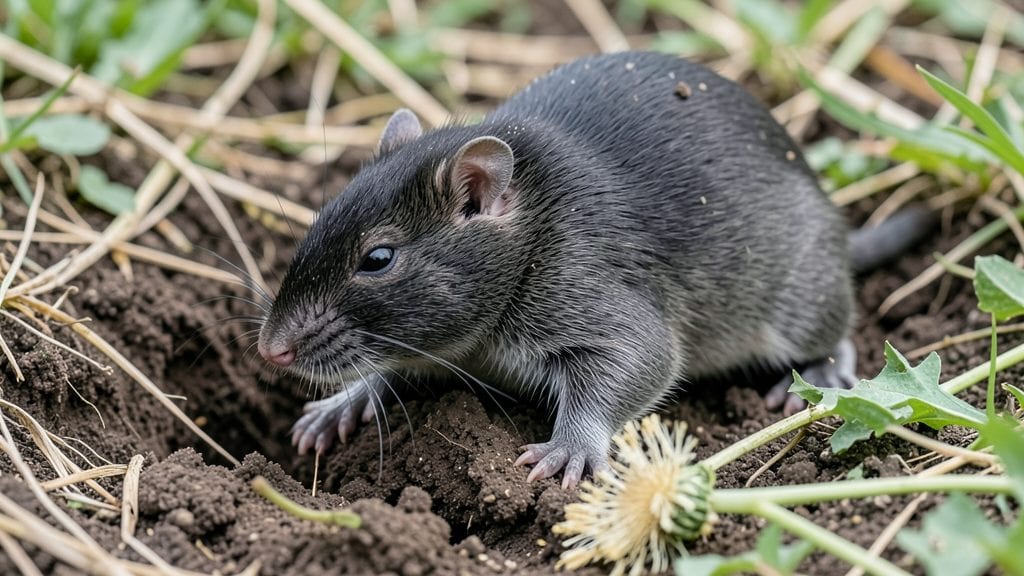
Tired of battling garden moles removal? Steel spike barriers are the only long-term solution that won’t poison your soil. I’ve buried more than my share of failed repellents—castor oil, ultrasonic stakes, even those plastic windmills—that promised results but left molehills untouched.
These spikes cut through the problem at its source, and once installed, they last for years.
The best part? You don’t need a shovel or heavy equipment. A simple hand trowel and a few hours on a dry day are all it takes to create a barrier that moles can’t dig under.
I’ve used them around raised beds, vegetable patches, and even under patios—no more surprise tunnels or ruined roots. The spikes stay sharp, the moles stay out, and your garden stays intact.
You’ll notice the difference within days. No more molehills popping up overnight, no more gnawed roots or wilting plants from disrupted soil. The barrier works silently, without chemicals or traps, and it keeps working season after season.
Plus, it’s a one-time investment that pays off for years, unlike those short-lived repellents that cost you more in the long run.
Works for any yard size, from small urban gardens to large suburban plots. Here’s exactly how to install them without digging a trench or disturbing your plants—permanent mole control, the easy way.
The Hidden Triggers Behind Mole Visits
If your garden is suddenly dotted with molehills and tunneling chaos, you’re not dealing with a random pest—you’re up against a creature with very specific motivations. Understanding why moles invade your yard is the first step to stopping them effectively.
Below, we break down the science-backed reasons these subterranean diggers show up uninvited, so you can address the root cause—not just the symptoms.
Moles are obsessional eaters, and their menu is simple: earthworms, grubs, and insect larvae. If your soil is a prime hunting ground, moles will move in without hesitation. Here’s why your yard might be a mole magnet:
- Rich, Loamy Soil: Moles thrive in soil that’s easy to dig and packed with their favorite snacks. If your garden has:
- High organic matter (compost, decaying plant material)
- Moisture-retentive clay or silt
- A history of earthworm activity (their #1 food source)
…then your yard is basically a mole resort.
- Lack of Predators: Fewer birds, foxes, or snakes mean fewer natural mole controls. Urban and suburban yards often lack these predators, giving moles free rein.
- Irrigation or Water Leaks: Overwatered lawns create soft, worm-friendly soil. Moles follow the moisture—and the worms that thrive in it.
Pro Tip: 🔍 Test your soil’s worm population by digging a small hole (6–8 inches deep) after rain. If you find 3+ worms per square foot, your yard is a mole buffet.
Moles don’t just wander in—they’re drawn by structural weaknesses in your yard. Certain landscaping choices accidentally create highways and hideouts for them:
| Problem | Why Moles Love It | How to Fix It |
|---|---|---|
| Thick Mulch Beds | Mulch traps moisture and organic debris, attracting grubs and worms. | Use 3-inch mulch layers and keep it 6+ inches from plant stems. |
| Overgrown Ground Covers | Shady, dense plants (like hostas or ferns) create undisturbed tunneling zones. | Thin out plants and add gravel or sharp-edged mulch (moles hate rough textures). |
| Poor Drainage | Waterlogged areas = easy digging and worm havens. | Install French drains or aerate compacted soil. |
Key Insight: Moles avoid open, sunny areas with dry soil. If your yard has too many shady, moist spots, it’s an open invitation.
Moles don’t just appear out of nowhere—they’re responding to a population explosion of their food. Common triggers:
- Grub Outbreaks:
Japanese beetles, June bugs, or white grubs lay eggs in lawns. When they hatch, moles move in to clean up. Sign: If your lawn has chewed grass patches (not molehills), grubs are the culprit.
- Earthworm Booms:
Wet springs or fall create perfect worm conditions. A single mole can eat 50–100 worms per day—so if your soil is worm-rich, expect visitors.
- Lawn Fertilizer Overuse:
Excess nitrogen (common in fast-release fertilizers) supercharges insect and worm populations, indirectly attracting moles.
Action Step: 🌡️ Monitor your lawn’s insect activity in spring/fall. Use a soil probe to check for grubs—if you find more than 5–6 per square foot, moles will follow.
Next up: How to disrupt these triggers with barriers that moles physically can’t dig through—like steel spikes that outlast chemical repellents.
Practical Ways to Outsmart Moles
Moles may seem like a persistent nuisance, but with the right strategies, you can reclaim your garden without resorting to harsh chemicals or expensive traps. Below, we break down cause-specific solutions—from quick fixes to long-term prevention—so you can tackle mole damage effectively.
If moles are digging up your lawn or flower beds, steel spikes are one of the most reliable deterrents. Unlike plastic or wooden barriers, they’re durable and won’t degrade in the soil.
How to Install: 🔨 Mark mole tunnels – Use a garden hose to water the lawn; dry spots reveal active tunnels. 📏 Plan your barrier – Place spikes 12–18 inches deep along the perimeter of your garden or around problem areas. 🔧 Drive spikes in – Use a mallet to secure them firmly; leave 2–3 inches above ground to prevent bending. ⚠️ Avoid roots – Space spikes 6–12 inches apart to deter moles without harming plants.
Why It Works: Moles avoid sharp, rigid objects—they’ll seek softer soil elsewhere.
Chemical repellents often lose effectiveness, but homemade solutions can be just as powerful—and safer for pets and wildlife.
DIY Repellent Recipes:
| Ingredient | How to Use | Reapply Every |
|---|---|---|
| Castor Oil | Mix 2 tbsp castor oil + 1 tsp dish soap + 1 gallon water. Spray on tunnels and lawn edges. | 1–2 weeks |
| Predator Urine | Soak cotton balls in fox or coyote urine (available at garden stores) and place near tunnels. | 3–5 days |
| Vinegar & Chili | Combine 1 cup vinegar + 1 tbsp cayenne pepper + 1 gallon water. Spray directly on molehills. | 7–10 days |
Pro Tip: 🌡️ Reapply after rain—natural repellents wash away quickly.
If you prefer not to harm moles, live traps can safely remove them from your property.
Best Traps for Moles:
- Scissor-Jaw Traps (e.g., Victor Mole Trap) – Quick and effective.
- Bucket Traps – Dig a hole, place a bucket with soil at the bottom, and cover with a wooden board.
How to Set a Bucket Trap: ✅ Dig a hole (12" deep) near an active tunnel. ✅ Place a bucket inside, soil-side down. ✅ Cover with a board and weigh it down. ✅ Check daily—release moles at least 2 miles away in a wooded area.
⚠️ Warning: Check local laws—some areas require permits for live trapping.
Moles target gardens with soft, worm-rich soil and easy access. Change their mind with these low-effort tweaks:
- Reduce Grubs – Apply beneficial nematodes (microscopic worms) to kill mole food sources.
- Aerate Your Lawn – Moles avoid compacted soil; use a core aerator in spring/fall.
- Plant Mole-Resistant Ground Covers – Clovers, daffodils, and marigolds deter moles naturally.
- Keep Grass Short – Taller grass hides tunnels; mow regularly to discourage digging.
💡 Bonus: Install underground fencing (1/4" hardware cloth) if moles keep returning to the same spot.
If moles are destroying roots, irrigation systems, or returning despite your efforts, a wildlife removal expert can use sonic repellents or professional-grade spikes for a guaranteed solution.
Final Thought: Moles don’t have to mean mauled gardens—with the right mix of barriers, repellents, and prevention, you can enjoy a mole-free yard without chemicals or cruelty. Start with steel spikes for immediate results, then layer in natural deterrents for long-term peace. 🚜✨
Frequently asked questions
How deep should I bury steel spikes for mole control?
Bury the spikes to a depth of 12–18 inches—this creates an impenetrable barrier that moles can’t dig under. Leave 2–3 inches above ground to prevent bending. The key is covering their tunnel depth while avoiding plant roots. For raised beds, adjust to 10–12 inches to protect shallow roots.
Will castor oil repellent work if it rains?
No, castor oil repellents wash away quickly with rain. Always reapply after 24–48 hours of moisture or whenever you water your lawn. For extra staying power, mix with 1 tsp dish soap—it helps the oil cling to soil particles longer. Rainproof alternatives include predator urine or vinegar-chili sprays.
Can I use bucket traps without harming the mole?
Yes, bucket traps are completely humane when used correctly. The mole simply falls in and can’t climb out. Always release captured moles at least 2 miles away in a wooded area with loose soil. Check traps daily—moles can’t survive more than 24 hours without food or water. Verify local wildlife regulations first.
Why do moles keep coming back after I’ve tried everything?
Persistent moles usually mean their food source (grubs/worms) hasn’t been addressed. First, check for grub outbreaks by probing your lawn—if you find >5 grubs per square foot, moles will return. Combine barriers (steel spikes) with beneficial nematodes to eliminate their food supply. Also verify your spikes are properly installed—gaps let them slip through.