Tools
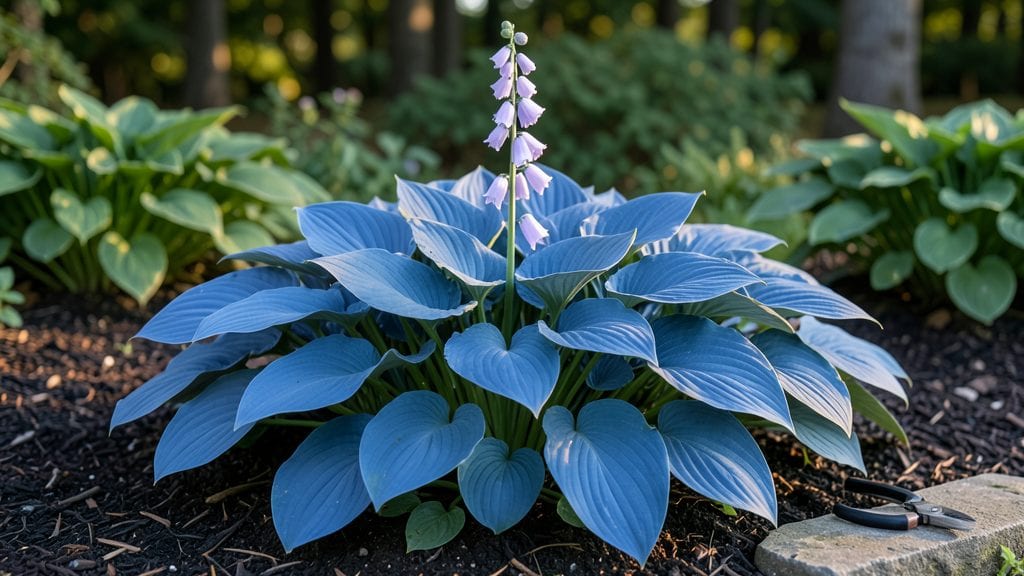
A garden in Germany blends centuries-old traditions with climate-smart design to create spaces that thrive year-round. 🌿 I fell in love with German gardens after visiting a Kleingarten—those iconic allotment plots where neighbors grow everything from artichokes to apple trees.
The secret lies in layered planting, native perennials, and a layout that works with Germany's cool summers and damp winters.
What makes these gardens special is their mix of structure and spontaneity. You'll see neat gravel paths winding through raised beds filled with hardy herbs like thyme and sage, while fruit trees stand sentinel at the edges.
Urban gardens often use vertical space with trellises for climbing roses or grapes, maximizing small plots. The key supplies? A mix of native plants, durable wood for raised beds, and a few simple tools for year-round maintenance.
By summer, your garden will burst with color from cobalt blue delphiniums and creamy foxgloves, while autumn brings golden sedum and fiery berries. Even winter stays interesting with evergreen conifers and ornamental grasses swaying in the breeze.
The best part? These designs adapt easily to any German climate zone, from the Atlantic coast to the Bavarian Alps.
Whether you're working with a backyard plot or a city balcony, German garden principles focus on low-maintenance beauty** that grows more stunning with each season. Let's bring that timeless European charm to your outdoor space—no matter where you're gardening in Germany.
📚 In This Guide
- What you need
- Instructions
- Tips and common mistakes
- Wrapping up and next steps
What you need
- ● Soil & Mulch: Topsoil: 2–3 cubic yards (depending on garden size)
- ● Compost: 1–2 bags (for nutrient-rich soil)
- ● Mulch (pine bark or straw): 1–2 cubic feet (to retain moisture)
- ● Plants & Flora: Perennials (e.g., lavender, roses, or Fetthenne): 5–10 plants
- ● Shrubs (e.g., boxwood or holly): 3–5 plants
- ● Native German trees (e.g., silver birch or oak): 1–2 saplings
- ● Hard Landscaping: Gravel or sand: 1–2 bags (for pathways)
- ● Paving stones (e.g., Bruchstein or slate): 20–30 pieces
- ● Edging material (brick or metal): 10–15 ft
- ● Must-Haves: Shovel & spade
- ● Garden fork
- ● Pruners (bypass for clean cuts)
- ● Wheelbarrow
- ● Rake & hoe
- ● Measuring tape & string line
- ○ Optional (But Helpful!): Lawn mower (for larger spaces)
- ● Hedge trimmer (for manicured edges)
- ● Garden kneeler (for comfort)
- ● Watering can or hose with spray nozzle
- ● Check local building codes (especially for structures like pergolas or sheds).
- ● If planting near property lines, verify setback rules (common in German BauGB regulations).
- ● For water features or large trees, a permit may be required.
- ● Weather prep: Plan for Germany’s four distinct seasons—drought-resistant plants for summer, evergreens for winter charm!
Step-by-Step instructions for designing a German-inspired garden
Here's how to create a classic European garden layout that thrives through all four seasons.
🪴 Step 1: Plan Your German-Inspired Layout
Start by sketching your garden space, dividing it into three key zones: the formal parterre (ornamental flower beds), the functional herb or vegetable area, and the shaded seating nook—a hallmark of German garden design. I like to use a grid pattern for the parterre, with paths wide enough for wheelbarrows (3-4 feet). This layout ensures symmetry while allowing practical movement.
German gardens often feature boxwood hedges as borders—use them to frame your beds or create geometric shapes. Place taller plants like ornamental grasses or small conifers at the back of borders to add depth. For the seating area, position it where morning sun warms the space but afternoon shade keeps it comfortable. This balance is what makes German gardens so livable year-round.
☀️ Step 2: Select Seasonal Plants for Year-Round Interest
Choose plants that provide color and texture in every season. For spring, include bleeding hearts and tulips—classic German favorites. Summer thrives with roses (like 'Souvenir de la Malmaison') and lavender, while autumn brings sedum and heuchera for bold foliage. Winter interest comes from evergreens like holly or skimmia, and ornamental bark on stems.
I always group plants by height, with tallest at the back and lowest at the front. This creates layers and hides the soil edge, a key feature of formal German gardens. Use mulch (like shredded bark) to suppress weeds and retain moisture—this keeps your garden looking tidy with minimal effort.
✂️ Step 3: Create Formal Pathways and Edging
German gardens rely on clean lines and precise edges. Use gravel paths (2-3 inches deep) for a classic look, or opt for stepping stones embedded in sand for a more rustic feel. I like to edge paths with low boxwood or creeping thyme to keep them defined without harsh borders. This makes maintenance easier and keeps the garden looking intentional.
For raised beds, use brick or stone edging to elevate planting areas. This not only adds structure but also prevents soil from spilling onto paths. Water paths occasionally to keep gravel settled—this prevents dust and keeps them looking neat. A well-defined path invites you to explore the garden while maintaining its orderly charm.
🌿 Step 4: Add Functional and Ornamental Elements
Incorporate practical features like a small fountain (for soothing water sounds) or a bench with wrought-iron details—both staples in German gardens. Place a birdbath near seating to attract wildlife while keeping the space serene. These elements add life to the garden without overwhelming its structured design.
For a touch of whimsy, include ornamental urns or vases filled with seasonal flowers. I like to place them at key focal points, like where paths intersect or near the seating area. This adds visual interest while keeping the garden’s formal aesthetic intact. Even small details like these make the space feel complete.
💧 Step 5: Maintain Year-Round with Seasonal Care
German gardens stay beautiful with seasonal pruning and deadheading. In spring, trim roses and shrubs to encourage new growth, and remove spent blooms from perennials. Summer calls for regular watering (early morning is best) to keep plants thriving, especially during dry spells. Mulch annually to protect roots and reduce weeds.
Autumn is the time to divide perennials and add fresh mulch. In winter, prune late-blooming plants (like hydrangeas) and protect tender species with burlap wraps. A quick sweep of paths and a trim of overgrown edges keeps the garden looking polished even in dormancy. This consistent care ensures your garden remains a timeless European retreat.
Tips & tricks for perfect German-inspired garden layouts
Creating a timeless German garden takes more than just planting flowers—it's about precision and intentional design. Here are the secrets that'll help you achieve that classic European charm.
The Grid Pattern Secret: When sketching your layout in Step 1, use graph paper or a digital design tool to map out your 3-4 foot wide paths. This ensures perfect symmetry while keeping the wheelbarrow-friendly width. I like to draw my grid first, then adjust plant placements within the squares—it keeps everything aligned without guessing. This structured approach is what makes German gardens feel so orderly yet inviting.
Plant Height Layering: In Step 2, think vertically! Place your tallest plants (ornamental grasses, small conifers) at the back of borders, then add medium-height shrubs (roses, heuchera) in the middle, and low-growing plants (lavender, creeping thyme) at the front. This creates natural layers that hide soil edges and give that polished, professional look. Trust me on this—it's the difference between a casual garden and a timeless European retreat.
Pathway Precision: For Step 3, measure your gravel paths at exactly 2-3 inches deep using a straightedge and level. This depth prevents weeds from pushing through while keeping the classic German look. Pro tip: Use a sand leveling board to create perfectly even surfaces—your paths will look like they were professionally installed. Water them occasionally to settle the gravel and prevent dust.
Seasonal Plant Rotation: Here's what nobody tells you—German gardens thrive because they rotate plants by season. In spring, focus on bleeding hearts and tulips; summer brings in roses and lavender; autumn showcases sedum and heuchera; and winter relies on evergreens and ornamental bark**. Plan your layout with this rotation in mind, placing your winter interest plants where they'll be most visible during the colder months.
Pro Tips for Garden In Germany
- Creating a timeless German garden takes more than just planting flowers—it's about precision and intentional design.
- The Grid Pattern Secret: When sketching your layout in Step 1, use graph paper or a digital design tool to map out your 3-4 foot wide paths.
- Plant Height Layering: In Step 2, think vertically!
Frequently asked questions
Got questions about creating or maintaining a garden in Germany? Here are some of the most common queries—and their answers—to help you plan your dream outdoor space!
What’s the best time of year to start a garden in Germany?
Germany’s climate varies, but most gardeners start in early spring (March–April) after the last frost. For perennials and shrubs, late fall (October–November) is ideal. If you’re planting vegetables, follow the “last frost date” for your region—check local weather reports or ask at a nursery for specifics!
Are there any hidden costs I should budget for besides plants and soil?
Yes! Beyond seeds and mulch, factor in:
- Tools: Pruners, a wheelbarrow, and a quality rake can add up.
- Irrigation: Drip systems or hoses (especially in dry summers).
- Permits: Some cities require approval for large gardens or structures.
- Wildlife protection: Fences or deterrents if rabbits or deer are a problem.
How do I protect my garden from Germany’s unpredictable weather?
Germany’s mix of rain, wind, and frost demands prep:
- Use windbreaks (hedges, lattice fences) for exposed areas.
- Opt for drought-resistant plants (e.g., lavender, sedum) in dry spells.
- Mulch heavily in winter to insulate roots from freezing.
- Store sensitive plants indoors or in a greenhouse during harsh winters.
Can I create a low-maintenance garden in Germany?
Focus on:
- Native plants: They thrive with minimal care (e.g., foxgloves, hostas).
- Ground covers: Creeping thyme or clover reduce weeds.
- Automatic watering: Timers or smart irrigation systems save time.
- Perennials over annuals: They return yearly with less replanting.
What’s the easiest way to keep pests (like rabbits or slugs) out of my garden?
Germany’s gardens face classic pests, but these tricks help:
- Physical barriers: Chicken wire around veggies or copper tape for slugs.
- Natural repellents: Plant garlic or rosemary—pests dislike the scent!
- Traps: Beer traps (for slugs) or humane rabbit deterrents.
- Diverse planting: Interplanting disrupts pests’ patterns.
Wrapping up and next steps
A German garden isn’t just a space—it’s a harmony of nature, tradition, and timeless beauty that thrives year-round. From structured Kurzgarten layouts to lush cottage-style retreats, these designs prove that even small plots can feel grand with the right planning.
Whether you’re drawn to formal symmetry or wildflower meadows, the key is to embrace seasonal layers and let each element tell its own story.
Ready to bring a touch of Heimat to your backyard? Start small—sketch a simple layout, gather a few native plants, and let your garden evolve naturally. Your green oasis is just a shovel’s throw away! 🌿✨