
Tools
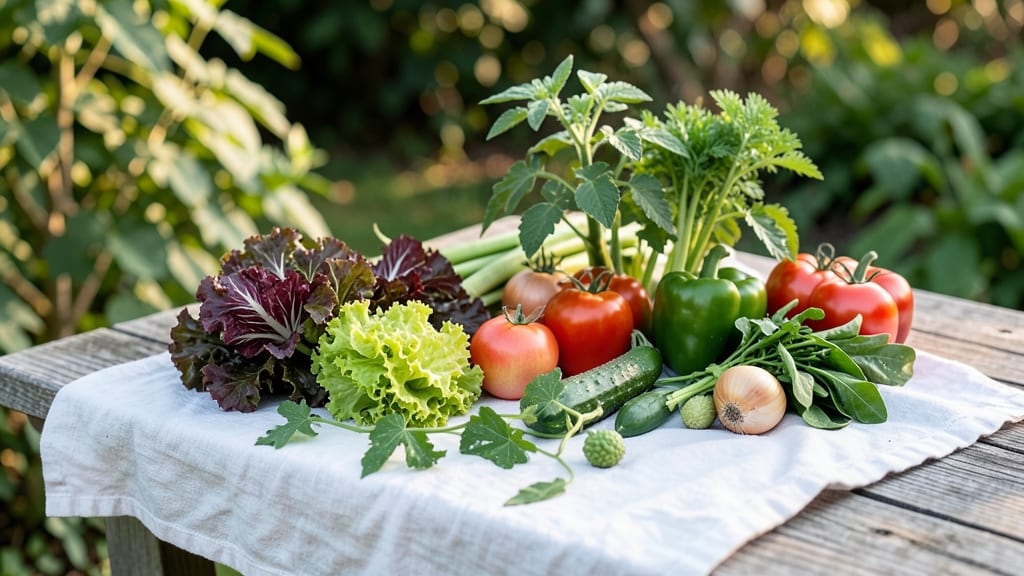
A garden fresh salad achieves its signature taste and texture by combining crisp lettuce varieties, perfectly ripe heirloom tomatoes, vibrant fresh herbs like basil or cilantro, peppery arugula, and crisp radishes—all picked at their peak for vibrant flavor.
A garden fresh salad isn't just about raw ingredients—it's about the harmony of flavors and textures when each component is harvested at its optimal stage. 🌿 The key lies in selecting varieties that complement each other: buttery romaine for structure, sweet cherry tomatoes for juiciness, and sharp radishes to cut through richness.
I've found that even the most basic salads transform when ingredients are sourced from a home garden, where you control the growing conditions and harvest timing. This approach also lets you experiment with heirloom varieties that often exceed store-bought produce in both flavor intensity and visual appeal.
What truly elevates these salads is the timing of harvest. Lettuce should be cut just before heading, tomatoes when they're fully colored but still firm, and herbs right before flowering for maximum potency. This precision ensures every bite delivers the freshness that defines a true garden salad experience.
💡 In This Article
- How to Grow Crisp, Flavorful Salad Ingredients at Home
- Best Salad Greens and Herbs for Year-Round Harvests
How to grow crisp, flavorful salad ingredients at home
Cultivating restaurant-quality salad ingredients starts with soil preparation—aim for loose, well-draining soil with a pH between 6.0-7.0. For lettuce, mix in 2-3 inches of compost to retain moisture while preventing bolting (premature flowering).
Tomatoes thrive in slightly acidic soil (5.8-6.8 pH) enriched with aged manure for slow-release nutrients. The key is creating an environment where roots can spread easily without compaction, which directly impacts crispness and flavor development.
Sunlight requirements vary dramatically between ingredients: leafy greens like romaine need 4-6 hours of partial shade to prevent bitterness, while heirloom tomatoes demand 6-8 hours of full sun daily.
Radishes, surprisingly, grow best in cooler temperatures (50-65°F) and mature in just 3-4 weeks—making them perfect for quick harvests. Herbs like basil require 6+ hours of sunlight but wilt quickly in intense afternoon heat, so morning sun exposure works best in hot climates. 🌞
Watering schedules must match each plant's needs: lettuce needs consistent moisture (about 1 inch per week) to stay crisp, while tomatoes benefit from deep watering 2-3 times per week at the base to encourage strong root systems.
Overhead watering can cause fungal issues, so drip irrigation or soaker hoses work best. Radishes need uniform moisture—uneven watering leads to split pods. The secret to flavor? Harvest in the morning after dew has dried but before the sun intensifies, when natural sugars are at their peak.
Companion planting boosts growth and deters pests naturally. Pair lettuce with radishes—the radishes' rapid growth shades out weeds while the lettuce's shallow roots don't compete. Tomatoes thrive near basil (which repels thrips) and marigolds (which deter nematodes).
Arugula and cilantro make excellent companions for tomatoes, as their strong scents mask the tomato plants' natural aroma that attracts pests. This symbiotic approach reduces the need for chemical interventions while creating a balanced ecosystem.
Spacing is often underestimated but critical: lettuce should be 8-12 inches apart in rows 12-18 inches apart to prevent overcrowding, while tomato plants need 18-24 inches between stems for proper air circulation. Herbs like cilantro can be planted 6-8 inches apart but will self-seed prolifically if allowed.
Radishes, being quick growers, can be interplanted between slower-growing crops like carrots or lettuce. Proper spacing ensures each plant gets adequate nutrients and sunlight, directly impacting both yield and flavor intensity.
One advanced technique I've found invaluable is succession planting—sowing new seeds every 2-3 weeks for a continuous harvest. This prevents bolting in heat-sensitive greens and ensures you always have fresh, tender leaves.
For tomatoes, pruning suckers (the shoots that grow between the stem and branches) redirects energy to fruit production, resulting in sweeter, more flavorful tomatoes. The payoff? A salad garden that produces 3-4 times more than store-bought alternatives, with flavors that are simply unmatched. 💫