
Tools
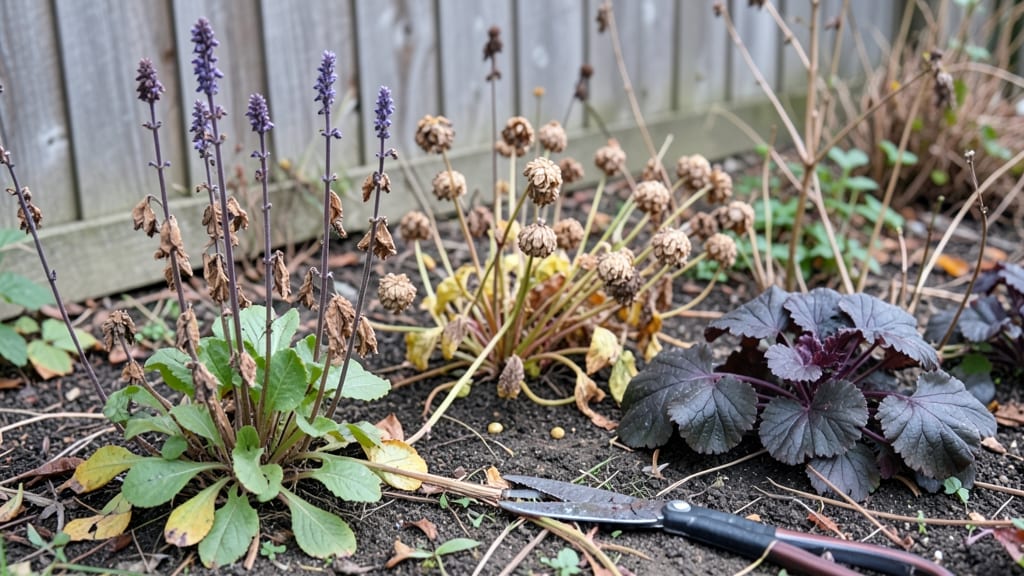
Fall cleanup isn’t just about tidying up—it’s the secret to a garden that bursts back to life next spring. 🌿 I’ve learned the hard way that skipping this step means battling weeds, diseased soil, and half-dead perennials come March. The right timing and tasks now save hours of frustration later.
Start with the obvious: clear dead annuals, pull weeds before they go to seed, and rake up fallen leaves (they smother lawns and harbor pests). Prune perennials that died back, but leave others like ornamental grasses for winter interest.
Store tender plants or move them indoors, and sharpen tools before putting them away.
Mulching is where the magic happens—2-3 inches of shredded leaves or straw protects roots from freeze-thaw cycles and feeds soil microbes over winter. For extra credit, compost those garden scraps instead of tossing them.
Your spring garden will thank you with fewer pests, richer soil, and plants that thrive from day one.
This checklist works for most climates, but adjust timing for early frosts or mild winters. The key is consistency: a little effort now means a garden that feels like a fresh start, not a struggle. Let’s get that space ready for spring.
📚 In This Guide
- What you need
- Instructions
- Tips and common mistakes
- Wrapping up and next steps
What you need
- ● Heavy-duty gloves (2 pairs): Waterproof, long-cuffed gloves (e.g., Workrite or Glovework brands) to protect against thorns and debris.
- ● Pruning shears (1): Bypass shears (e.g., Fiskars or Felco) for clean cuts on perennials and shrubs.
- ● Loppers (1): 20-24 inch loppers (e.g., Corona or Bahco) for thicker branches.
- ● Hedge shears (1): Adjustable shears (e.g., Fiskars) for shaping hedges and ornamental grasses.
- ○ Rake (1): A sturdy bow rake (for leaves) and a leaf blower (optional but handy for large areas).
- ● Shovel & garden fork (1 each): Heavy-duty tools (e.g., Radial or Spear & Jackson) for digging and aerating soil.
- ● Wheelbarrow or large bins (1-2): 3-4 cubic feet capacity for hauling debris (e.g., Scotts or Rubbermaid).
- ● Leaf bags (5-10): 33-gallon capacity (e.g., Eco-Products) for easy disposal or composting.
- ● Garden hose with nozzle (1): For rinsing tools and wetting soil before cleanup.
- ● Knee pads (1 pair): Gel or foam pads (e.g., Gorilla Grip) for comfort during long sessions.
- ● Leaf mulcher: Turns leaves into nutrient-rich mulch (e.g., Patriot or Sun Joe).
- ● Soil tester kit: Check pH levels (e.g., Luster Leaf) before amending soil.
- ● Compost bin: For repurposing organic debris (e.g., Miracle-Gro or DIY pallet bins).
- ● Safety goggles & earplugs: Protect against debris and noise (especially for leaf blowers).
- ● Portable extension cord: For power tools like leaf blowers or mulchers.
- ● Check the weather: Aim for a dry, mild day (50–70°F) to avoid mud or slipping.
- ● Schedule time: Block 4–6 hours, depending on garden size.
- ● Notify neighbors: If using a leaf blower or loud tools, give a heads-up!
- ● Wear layers: Light jacket or long sleeves for protection against wind or bugs.
Step-by-Step instructions for garden fall cleanup
Here's how to refresh your garden before winter—no fancy tools, just smart prep.
🪴 Step 1: Remove and Dispose of Debris
Start by clearing out all plant debris, fallen leaves, and weeds. This prevents pests and diseases from overwintering. I rake everything into piles, then sort them—healthy leaves go to the compost, but diseased foliage gets bagged for trash. Don't skip this step; even small bits of plant matter can harbor problems for next spring.
Check for lingering weeds too. Pull any that survived summer and dispose of them properly. If you're composting, add only weed-free material—weeds like creeping charlie can take over your compost pile and spread when you use it later.
✂️ Step 2: Prune Perennials and Shrubs
Now's the time to trim back perennials that have died back naturally. Cut them down to about 2-3 inches above the ground—this keeps them tidy and makes it easier to spot new growth in spring. For shrubs, shape them lightly to encourage fuller growth next year, but avoid heavy pruning unless you're dealing with overgrowth.
Leave the stems of perennials like ornamental grasses and seed heads for winter interest, but tie them loosely with twine if they're flopping over. This protects them from wind damage while keeping your garden looking intentional. I always label anything I'm unsure about—next spring, you'll thank yourself for not guessing.
💧 Step 3: Clean and Store Garden Tools
Before putting tools away, scrub them with soapy water to remove sap, dirt, and any lingering spores. A stiff brush works best for pruners and shovels. After cleaning, apply a thin coat of oil to metal blades to prevent rust—this is especially important for pruners and shears. Store them in a dry place, like a shed or garage, where they won't be exposed to moisture.
Check hoses and sprinklers too. Drain them completely, disconnect them, and store them coiled in a protected spot. A little maintenance now saves headaches when you're ready to garden again. I also wipe down any wooden handles with linseed oil to keep them from drying out over winter.
☀️ Step 4: Protect Soil and Mulch
Spread a 2-3 inch layer of mulch over garden beds to insulate the soil and suppress weeds. I use shredded leaves or straw—both break down slowly and improve soil structure over time. Avoid piling mulch against plant stems, though; keep it about 2 inches away to prevent rot.
If you have bare spots, consider planting a cover crop like winter rye or clover. These plants prevent erosion, add nitrogen to the soil, and make spring planting a breeze. Just scatter the seeds evenly and let nature do the rest—no need to till or fuss over them until spring.
🌱 Step 5: Plan for Spring and Winterize Hardscapes
Take a walk through your garden and note what worked—and what didn’t. Sketch a quick plan for next year, like adding new plants, moving existing ones, or fixing any damaged paths or fences. This is the perfect time to order seeds or bulbs while they're still on sale.
For hardscapes, like patios or pathways, clear away any debris and give them a final sweep. If you have outdoor furniture or decor, store it in a dry place or cover it with a tarp. A little prep now means less work when the weather warms up—plus, you'll start spring with a clear head and a clear garden.
Tips & tricks for perfect garden fall cleanup
A few smart moves will make your seasonal garden reset easier—and more effective—than ever before.
Seasonal Timing Tip: Don't wait until the first frost! Aim to complete your garden cleanup within 2-3 weeks before your first hard freeze. This gives plants enough time to recover from pruning while still allowing you to address any lingering pests or diseases before they overwinter. I've learned the hard way that skipping this timing can leave your garden vulnerable to winter damage.
Composting Strategy: For Step 1, create two separate piles when sorting debris—one for healthy green material and another for diseased or pest-infested plants. The healthy pile can go directly to your compost, while the diseased material should be bagged and disposed of in the trash. This prevents spreading problems to next year's garden. I've seen compost piles become breeding grounds for fungal diseases when diseased plants weren't properly separated.
Pruning Precision: When you're cutting back perennials in Step 2, use clean, sharp pruners to make clean cuts. Ragged cuts can invite disease and slow down regrowth. For woody stems, cut at a slight angle just above a leaf node or bud. This simple technique makes a huge difference in how quickly your plants recover in spring. I keep a small bottle of rubbing alcohol nearby to wipe down pruners between cuts—it prevents cross-contamination of diseases.
Tool Maintenance Hack: For Step 3, don't stop at just cleaning your tools—organize them by size and type in your storage area. Store pruners with their blades facing the same direction, and hang shovels/spades with their handles pointing upward. This makes them easier to grab in the morning and prevents accidental cuts. I also use a small caddy with hooks to store all my tool accessories—oil, brush, and extra blades—in one place. This saves me from digging through toolboxes every spring.
Pro Tips for Garden Fall Cleanup
- A few smart moves will make your seasonal garden reset easier—and more effective—than ever before.
- Seasonal Timing Tip: Don't wait until the first frost!
- Composting Strategy: For Step 1, create two separate piles when sorting debris—one for healthy green material and another for diseased or pest-infested plants.
Frequently asked questions
Got questions about tackling your garden fall cleanup? You’re not alone! Here are answers to the most common queries to help you prep like a pro.
When is the best time to start fall garden cleanup?
Start as soon as leaves begin falling—typically late September to November, depending on your climate. Early cleanup prevents pests, diseases, and debris buildup. Wait too long, and you risk compacted soil or overwintering weeds. Aim for 2–3 weeks before the first hard frost for optimal timing.
Do I need to remove all leaves from my garden?
Not necessarily! While thick leaf layers can harbor pests, a light layer (1–2 inches) can act as natural mulch, protecting soil and plants. Rake up leaves from vegetable beds, pathways, and lawns to reduce slugs and fungal risks. For ornamental beds, mulch leaves with a lawnmower or compost them instead.
What’s the easiest way to dispose of garden waste?
Composting is the gold standard—turn yard waste into nutrient-rich soil! If composting isn’t an option, check local municipal green waste programs or schedule a bulk pickup. For small debris, repurpose leaves as mulch or use them to fill low spots in flower beds. Pro tip: Avoid burning leaves—it releases harmful pollutants!
Should I cut back perennials and ornamental grasses for fall cleanup?
Generally, leave perennials and grasses standing until late winter or early spring. Their dead foliage insulates roots and adds winter interest. Exceptions: Diseased plants or those with seed heads (like coneflowers) can be trimmed to prevent pest spread. For grasses, cut back in early spring for a fresh look.
What if my garden cleanup gets delayed by rain or cold weather?
Don’t stress! Focus on priority tasks first:
- Remove all plant debris (especially diseased material).
- Clear pathways and lawns to prevent ice buildup.
- Protect tender plants with mulch or frost cloth.
Use dry, mild days to finish up. If snow covers the ground, wait until spring to tackle the rest—just avoid working in muddy or frozen soil.
Wrapping up and next steps
A garden fall cleanup isn’t just about tidying up—it’s your golden ticket to a blooming, low-maintenance spring. By removing debris, sharpening tools, and prepping soil, you’ll save time and energy next season. Think of it as a fresh start for your green space! 🌱
Ready to take the next step? Grab your checklist, invite a friend for help, and turn this seasonal task into a rewarding weekend project. Your future self—and your garden—will thank you!