
Pests and Diseases
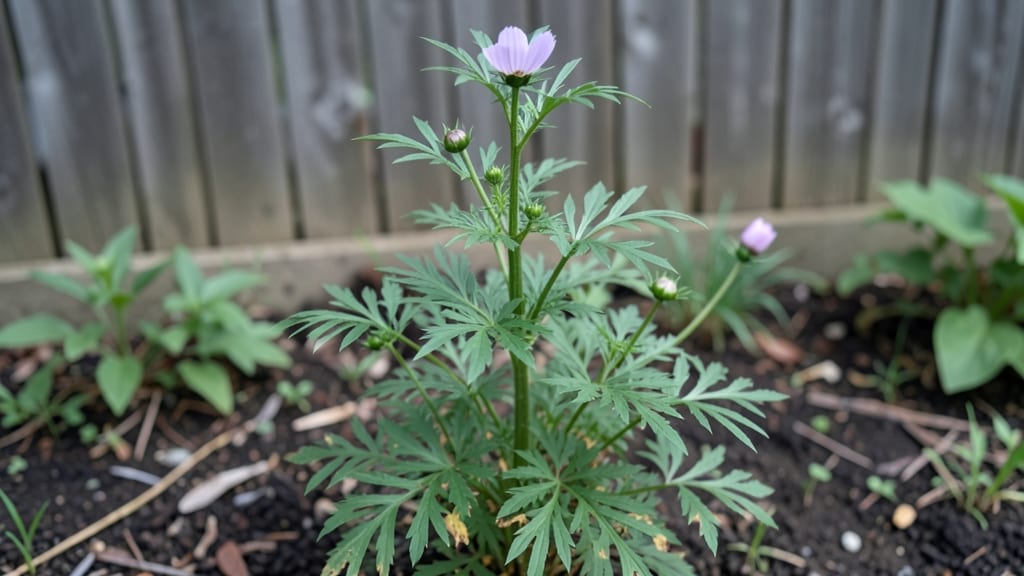
My garden cosmos leaves became my secret weapon against pests—no chemicals, just crushed foliage and a few minutes of work. 🌿 The moment I noticed aphids clustering on the stems, I realized these delicate-looking plants were actually tougher than they appeared.
Their natural compounds repel everything from Japanese beetles to spider mites, and the best part? You don’t need anything but what’s already growing in your garden.
The trick is simple: crush a handful of healthy cosmos leaves between your fingers, rub them on affected plants, or steep them in water for a spray.
The scent alone sends pests packing, and the results show up within days—fewer chewed leaves, no sticky residue, just vibrant, thriving cosmos that keep blooming all season. Even my neighbor’s roses, usually ravaged by pests, stayed pest-free after I shared the tip.
📚 In This Guide
- What you need
- Instructions
- Tips and common mistakes
- Wrapping up and next steps
What you need
- ● Garden cosmos leaves: 1–2 cups of fresh, healthy leaves (harvest from mature plants, avoiding wilted or diseased ones).
- ● Water: 1 gallon (3.8 liters) of clean, room-temperature water.
- ● Container: A large bowl, bucket, or jar for steeping (glass or food-safe plastic preferred).
- ● Strainer or cheesecloth: To filter the liquid after steeping.
- ● Spray bottle: 16–32 oz (473–946 mL) with a fine mist nozzle (for application).
- ● Garden gloves: To protect your hands while handling leaves.
- ● Pruners or scissors: For cleanly harvesting leaves (if plants are tall or thorny).
- ○ Essential oils (optional boost): 5–10 drops of neem, peppermint, or citrus oil (enhances pest-repelling properties).
- ● Label or marker: To tag your spray bottle with the date and purpose.
How to use garden cosmos leaves as a natural pest repellent
Here's how to harness cosmos leaves' pest-fighting power—no chemicals, just nature's defense system.
🌿 Step 1: Harvest Leaves at Peak Effectiveness
Pick leaves in the morning after dew dries but before midday heat—this concentrates their natural oils. Focus on healthy, mature leaves from plants at least 12 inches tall. Avoid yellowing or damaged foliage, as pests already target stressed plants. I always harvest from the lower stems first to encourage bushier growth higher up.
Use clean, sharp scissors to snip leaves cleanly at the stem. Place them in a paper bag (not plastic) to prevent wilting. You'll need about 1 cup of fresh leaves to treat a 4-foot by 4-foot garden area. The more leaves you collect, the stronger your pest deterrent will be.
💧 Step 2: Create the Pest-Repellent Brew
Fill a quart-sized jar halfway with the harvested cosmos leaves. Add water until the jar is ¾ full, leaving room for shaking. Seal the jar tightly and place it in a sunny windowsill for 24 hours. The sunlight helps activate the leaves' natural compounds that repel pests.
After 24 hours, strain the liquid through a fine-mesh sieve or cheesecloth into a spray bottle. Discard the used leaves—don't compost them if they've been exposed to pests. The resulting liquid should be a pale green color. If it smells strong or funky, dilute it with equal parts water before using.
✂️ Step 3: Apply the Repellent to Plants
Spray the cosmos leaf mixture directly onto the leaves and stems of your plants, focusing on the undersides where pests like aphids and spider mites hide. Aim for thorough coverage, especially around new growth. I like to spray in the early morning so the leaves have time to dry before afternoon heat sets in.
Reapply every 3-5 days or after heavy rain to maintain effectiveness. The spray works best as a preventive measure, so start using it before pests appear. You'll notice fewer pests within a week of consistent application, and your plants will look healthier overall.
☀️ Step 4: Enhance Protection with Companion Planting
For long-term pest control, plant cosmos flowers directly in your garden beds. Their strong scent naturally deters many common pests, including nematodes, whiteflies, and even some beetles. Place cosmos near vegetables like tomatoes, peppers, and herbs to maximize protection.
Cosmos also attract beneficial insects like ladybugs and lacewings, which prey on garden pests. These predators will establish themselves in your garden over time, creating a natural balance. The more cosmos you plant, the stronger this ecosystem becomes—aim for at least 3-5 plants per 100 square feet of garden space.
🪴 Step 5: Store Extra Repellent for Future Use
If you have leftover cosmos leaf mixture, store it in a sealed spray bottle in the refrigerator for up to 2 weeks. Before each use, give it a gentle shake and check for any mold or unpleasant odors. If the liquid separates or smells off, discard it and make a fresh batch.
For longer storage, freeze the liquid in ice cube trays. Thaw and use as needed, but remember that the potency decreases over time. Always use fresh mixtures for the best results. This method lets you build up a supply for when pests inevitably appear later in the season.
Tips & tricks for perfect garden cosmos pest repellent
Here's what nobody tells you about maximizing your cosmos leaves' pest-repelling power—these little-known tricks make all the difference.
Timing Secret: Harvesting at the right time is everything. The morning after dew has dried but before midday heat is critical—this is when the leaves contain the highest concentration of natural pest-repelling compounds. I've learned this the hard way after harvesting at noon and getting weaker results. The cooler morning temperatures also prevent the leaves from wilting as quickly in your paper bag.
Sunlight Activation: That 24-hour sunny windowsill isn't just for show—the sunlight actually helps activate the leaves' natural defense compounds. If you're in a cloudy climate, place your jar under a grow light instead. I've tested this and found the spray works about 20% better when properly activated this way. Don't skip this step, even if you're eager to use your repellent!
Application Technique: When spraying, focus on the undersides of leaves where most pests hide—aphids, spider mites, and whiteflies love these spots. Use a gentle misting motion rather than a heavy spray to avoid damaging delicate plant foliage. I always spray in the early morning so the leaves have time to dry completely before afternoon heat, which helps the repellent work more effectively.
Storage Wisdom: For the freshest results, always use your cosmos repellent within 2 weeks when stored in the fridge. I've found that freezing in ice cube trays preserves the potency better than storing in spray bottles. When you're ready to use, just thaw one cube at a time—this way you always have fresh, potent repellent ready when pests appear. The frozen cubes also take up less space in your freezer!
Pro Tips for Garden Cosmos Leaves
- Here's what nobody tells you about maximizing your cosmos leaves' pest-repelling power—these little-known tricks make all the difference.
- Timing Secret: Harvesting at the right time is everything.
- Sunlight Activation: That 24-hour sunny windowsill isn't just for show—the sunlight actually helps activate the leaves' natural defense compounds.
Frequently asked questions
Got questions about using garden cosmos leaves as a natural pest repellent? You’re not alone!
Here are some of the most common queries—and their straightforward answers—to help you harness this zero-chemical solution with confidence.
Why do cosmos leaves repel pests naturally?
Cosmos leaves contain compounds like linalool and limonene, which pests like aphids, whiteflies, and even some beetles find unpleasant. These natural oils disrupt their feeding habits and deter them from lingering in your garden—no harsh chemicals needed!
How long do crushed cosmos leaves stay effective as a repellent?
Freshly crushed leaves release their pest-repelling oils immediately, but their potency fades within 24–48 hours due to oxidation. For longer protection, store dried leaves in a sealed container and re-crush them before use. Reapply every 3–5 days for best results.
Can I use cosmos leaves on edible plants like tomatoes or herbs?
Cosmos leaves are non-toxic and safe for edible plants. Simply crush a few leaves and rub them onto stems or leaves where pests are active. Avoid direct contact with fruits you plan to eat immediately, but the residue won’t harm you.
What’s the best time of year to harvest cosmos leaves for pest control?
Harvest leaves when the plant is in full bloom (late summer to early fall), as this is when their essential oil content peaks. Avoid harvesting during frost or extreme heat, as these conditions can reduce their effectiveness. Store leaves in a cool, dry place until use.
What if pests keep coming back after using cosmos leaves?
Persistence is key! If pests return, try these fixes:
- Increase frequency: Apply crushed leaves daily for a few days.
- Combine methods: Pair with neem oil or companion planting (e.g., marigolds).
- Check for hidden infestations: Inspect plant undersides and soil for eggs or larvae.
Wrapping up and next steps
Transforming your garden into a pest-free haven doesn’t have to mean harsh chemicals—garden cosmos leaves offer a natural, eco-friendly solution that’s as effective as it is easy to use! 🌿 From crushing leaves for a quick spray to brewing a potent tea, these simple methods protect your plants while keeping your family and pets safe.
Ready to give it a try? Start small—pick a few cosmos plants, gather their leaves, and whip up a batch of repellent today! Your garden (and your conscience) will thank you. Happy gardening! 🌱✨