
Tools
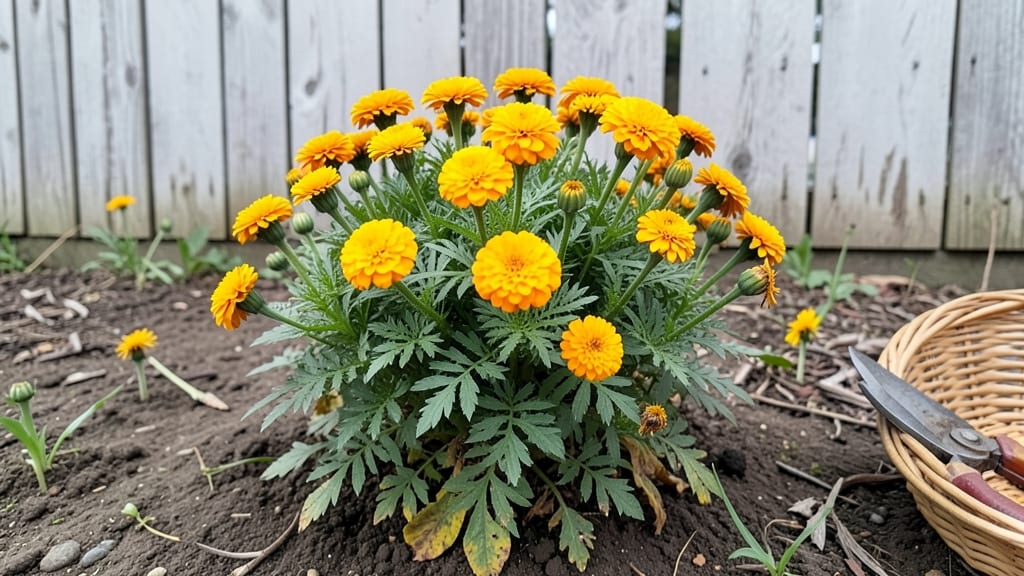
The French kitchen garden delivers classic charm while packing in more flavor than a grocery store could ever offer. 🌿 I’ve always loved how these gardens blend beauty with practicality—herbs within arm’s reach of the kitchen, vegetables arranged like a living still life, and flowers that double as pest deterrents.
The layout isn’t just functional; it’s a conversation piece, with structured beds and crisp edges that feel like stepping into a Provençal village.
Think of it as a square-foot grid of edibles, where every plant has its place: tall herbs like rosemary in the back, low-growing thyme along pathways, and espaliered fruit trees hugging fences. Boxwood hedges create order, while gravel paths keep mud out of the kitchen.
The key is symmetry—even if your space is small, repeating shapes and colors makes it feel intentional. My first attempt used a 4-foot-by-4-foot bed for simplicity, and it’s now the heart of my outdoor cooking space.
What you’ll love most is how it transforms gardening from a chore into a daily ritual. Snip fresh basil for your morning coffee, harvest rainbow chard for dinner, or pluck lavender for sachets—everything’s at your fingertips.
The design even encourages year-round growing: cold-hardy kale in winter, tender basil in summer, and evergreen rosemary all year. It’s not just a garden; it’s a lifestyle that makes every meal feel special.
Works in any yard size, from a city balcony with container herbs to a full backyard with raised beds. The French approach thrives on repetition and simplicity—once you see how it all fits together, you’ll wonder why you ever settled for less. Let’s bring that timeless elegance to your space.
📚 In This Guide
- What you need
- Instructions
- Tips and common mistakes
- Wrapping up and next steps
What you need
- ● Garden Plot or Containers: 1–3 raised beds (4’ x 8’ each, 10–12” deep) or
- ● 6–10 large pots (12–18” diameter, with drainage holes) for herbs/veggies
- ● Soil: 2–3 cubic yards of well-draining, organic-rich soil (mix garden soil with compost, 60/40 ratio)
- ○ Optional: 1–2 bags of perlite or vermiculite (for container gardens)
- ● Seeds or Seedlings: Herbs: 10–15 plants (thyme, rosemary, basil, parsley, chives)
- ● Veggies: 20–30 plants (tomatoes, lettuce, carrots, radishes, zucchini)
- ● French classics: 5–10 lavender plants (for borders and scent!)
- ● Tools: 1 trowel, 1 pruning shears, 1 hand fork, 1 wheelbarrow
- ● 1 watering can (2–3 gallons) or drip irrigation kit
- ● 1 pair of gardening gloves (waterproof)
- ● 1 sun hat + sunscreen (because bonjour, French sun!)
- ● Decorative wrought-iron trellises or arbors (for climbing veggies like beans or peas)
- ● Terracotta pots or copper planters (for that quintessential French touch!)
- ● A small bench or bistro set (because gardening should be enjoyable!)
- ● French pruning tools (like Felco shears for precision trimming)
- ● Compost bin (to keep your soil rich and sustainable)
Step-by-Step instructions for designing a classic French kitchen garden
Here's how to create a timeless herb and vegetable layout inspired by Provence's most beloved gardens.
🪴 Step 1: Plan Your Classic French Layout
Start by sketching a simple rectangular plot measuring 8 feet by 10 feet—this classic size fits most backyards while keeping the French aesthetic. Divide it into four equal quadrants: two for herbs and two for vegetables. I like to place taller plants like rosemary and artichokes along the north side to avoid shading shorter herbs.
French gardens emphasize symmetry, so create a central gravel path 2 feet wide running through the middle. This path should be wide enough to walk comfortably but narrow enough to maintain the garden's intimate feel. Use edging stones along each quadrant to define the borders neatly—this keeps plants contained and adds that quintessential French order.
🌱 Step 2: Plant Herbs in Geometric Beds
In one herb quadrant, create a square bed measuring 4 feet by 4 feet for culinary herbs like thyme, oregano, and parsley. Plant them in 12-inch spacing to allow air circulation while keeping the classic French look of neatly trimmed rows. I always plant thyme and oregano in the center because they thrive in drier conditions and won't compete with moisture-loving herbs like chives.
In the second herb quadrant, design a circular bed with a 3-foot diameter for more delicate herbs like basil and chervil. These plants appreciate slightly more shade, so position this bed closer to the north side of the herb section. Use low-growing lavender as a border—its purple blooms add color while keeping the design cohesive and fragrant.
☀️ Step 3: Arrange Vegetables in Raised Beds
For the vegetable quadrants, build two raised beds measuring 4 feet by 3 feet using untreated wood or stone. Fill them with well-draining soil mixed with compost to ensure rich, fertile ground. In one bed, plant tomatoes, zucchini, and eggplants—classic French vegetables that thrive in warm conditions. Space them 18 inches apart to allow for growth while maintaining the garden's neat appearance.
In the second vegetable bed, focus on leafy greens like lettuce, spinach, and Swiss chard, which prefer cooler conditions. Plant them in 12-inch rows with 6-inch spacing between plants. This arrangement keeps the garden tidy and makes harvesting easier. I always interplant radishes with lettuce—they mature quickly and mark the rows beautifully.
✂️ Step 4: Add Classic French Touches
To capture the true French kitchen garden spirit, add wrought-iron trellises near the tomato and zucchini plants. These not only provide support but also add an elegant, rustic charm. Train climbing plants like pole beans or morning glories to grow vertically, creating a beautiful backdrop for the garden.
Place small terracotta pots filled with rosemary and lavender along the edges of the gravel path. These pots add height and texture while keeping the garden's classic French aesthetic. Finally, add a small wooden bench or stone seat in one corner—this invites you to sit and enjoy the garden's beauty, just as a French marchand would have done centuries ago.
💧 Step 5: Maintain with Traditional Care
Water the garden early in the morning to reduce evaporation and keep the soil moist but not soggy. French gardens are known for their neat appearance, so trim herbs regularly to encourage bushy growth and maintain their shape. Use sharp pruners to snip just above a leaf node—this promotes new growth while keeping the garden looking tidy.
Mulch the beds with straw or wood chips to retain moisture and suppress weeds. This classic technique keeps the garden looking polished and reduces the need for frequent weeding. Finally, fertilize lightly with compost tea every 4-6 weeks to nourish the soil without overfeeding the plants—French gardens focus on quality, not quantity.
Tips & tricks for perfecting your classic French kitchen garden
Creating a timeless French garden takes more than just planting—it's about attention to detail that brings that classic Provençal charm to life. Here are my most trusted tips to help you achieve that authentic French look and ensure your garden thrives year-round.
Design Symmetry for Timeless Appeal: When sketching your 8 feet by 10 feet plot, use a simple trick to maintain perfect symmetry: divide the garden into quadrants using string and stakes before you dig. This ensures your 2 feet wide gravel path stays perfectly centered, creating that balanced look essential to French gardens. I also recommend using a measuring tape to mark the 4 feet by 4 feet square herb bed and 3-foot diameter circular bed before planting—precision in these dimensions makes all the difference for that classic aesthetic.
Plant Placement Matters: In Step 2, when arranging your herbs, remember that taller plants like rosemary and artichokes should always go along the north side of your garden to prevent shading. For your 4 feet by 4 feet herb bed, place thyme and oregano in the center—they're drought-tolerant and won't compete with moisture-loving herbs like chives for space. In the circular bed, position basil and chervil closer to the north edge where they'll get slightly less intense sunlight, just as you would in a traditional Provençal garden.
Soil Preparation is Key: For your vegetable beds, don't skimp on soil quality. Mix your well-draining soil with compost at a ratio of 3:1 (soil to compost) to ensure your plants get the nutrients they need. I've found that adding a handful of worm castings to each raised bed gives an extra boost to your tomatoes, zucchini, and eggplants. When planting your leafy greens, create small mounds of soil for each plant—they'll appreciate the slightly elevated position that improves drainage.
Maintenance Secrets: The French don't believe in overworking their gardens. When trimming herbs, use sharp pruners and always cut just above a leaf node to encourage bushy growth. For your 4-6 week compost tea fertilization schedule, I recommend making a batch every 3 weeks instead—this keeps nutrients consistent without overfeeding. And here's a little-known trick: sprinkle crushed eggshells around your plants every few weeks to deter pests while adding calcium to the soil.
Pro Tips for French Kitchen Garden
- Creating a timeless French garden takes more than just planting—it's about attention to detail that brings that classic Provençal charm to life.
- Design Symmetry for Timeless Appeal: When sketching your 8 feet by 10 feet plot, use a simple trick to maintain perfect symmetry: divide the garden into quadrants using string and stakes before you dig.
- Plant Placement Matters: In Step 2, when arranging your herbs, remember that taller plants like rosemary and artichokes should always go along the north side of your garden to prevent shading.
Frequently asked questions
What’s the best time of year to start a French kitchen garden?
A French kitchen garden thrives with seasonal planning! For cool-season crops (like lettuce, kale, and carrots), start in early spring or late summer. Warm-season plants (tomatoes, basil, zucchini) love late spring to early summer. In milder climates, you can even extend harvests year-round with row covers or cold frames.
Can I grow a French kitchen garden in containers or small spaces?
French potagers are famously compact
—think square-foot gardening or raised beds. Herbs like thyme, parsley, and chives thrive in pots, while compact veggies (radishes, bush beans, cherry tomatoes) do well in 5-gallon containers or window boxes. Just ensure 6+ hours of sunlight and well-draining soil.
How do I keep pests away without chemicals?
French gardeners rely on natural remedies! Try companion planting (e.g., marigolds deter pests), neem oil sprays, or row covers. For slugs, set out beer traps or crushed eggshells. Handpick pests early—it’s labor-intensive but effective. Bonus: Healthy soil (rich in compost) boosts plant resilience!
What are the easiest herbs and veggies for beginners?
Start with low-maintenance staples:
- Herbs: Basil, parsley, thyme, and chives (all perennial or self-seeding).
- Veggies: Lettuce, radishes (ready in 30 days!), green beans, and zucchini.
- Fruit: Cherry tomatoes and strawberries (great for containers!).
How do I protect my garden in winter?
French gardens often hibernate gracefully! For hardy perennials (like rosemary or asparagus), mulch heavily with straw. Tender plants (tomatoes, basil) need row covers or cold frames. Harvest before frost for veggies like kale (they sweeten in cold weather!). Store herbs in dry, dark places or freeze them.
Wrapping up and next steps
A French kitchen garden isn’t just about growing food—it’s about embracing a lifestyle of freshness, elegance, and self-sufficiency. 🌿 Whether you’re a seasoned gardener or just starting, these year-round herbs and veggies bring the charm of Provence to your backyard (or balcony!).
Ready to take the next step? Start small—pick one or two plants to begin, then expand as you gain confidence. Before you know it, you’ll be savoring homegrown basil in your soup or rosemary in your roasted chicken, just like a true French chef! 🍴