
Tools
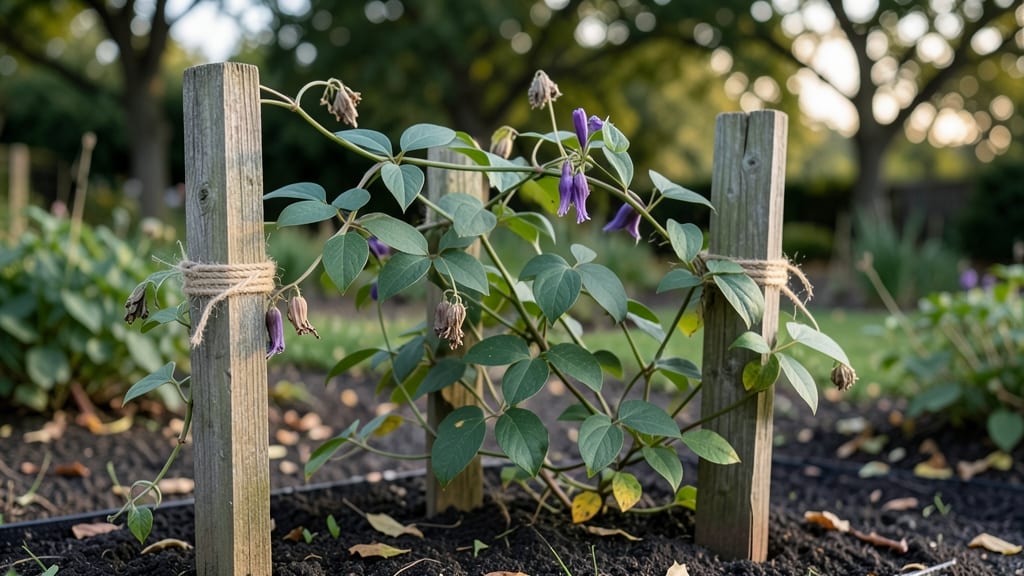
Fall garden stakes aren't just for spring tomatoes—they're the unsung heroes of late-season harvests. 🌱 I learned the hard way when my overripe pumpkins toppled under their own weight, and now I swear by sturdy stakes to keep everything upright until the first frost.
The right support turns floppy vines into productive powerhouses, whether you're growing peppers, squash, or even heavy winter greens.
You don't need fancy equipment—bamboo, metal, or even biodegradable options work perfectly. I prefer 6-foot bamboo stakes for most vegetables, but for pumpkins, I double up with 8-foot stakes and twine for extra stability.
The key is placing them early, before plants get too top-heavy, and securing them loosely enough to let the plant sway slightly in the wind.
By winter, your stakes will have prevented broken stems, saved your harvest, and even made next spring's cleanup easier. The best part? They double as markers for next year's garden plan. Once you try them, you'll wonder how you ever grew without them.
Works for any fall garden—whether you're growing in raised beds, containers, or open ground. Here's how to make them work for your plants this season.
📚 In This Guide
- What you need
- Instructions
- Tips and common mistakes
- Wrapping up and next steps
What you need
- ● Garden stakes: 4–6 ft tall (adjust based on plant height). Choose bamboo, wooden dowels, or metal rebar for durability. Quantity: 1 stake per plant (or 2 for heavy vines).
- ● Twine or plant ties: 100% biodegradable or soft cloth strips (avoid plastic). Length: 12–18 inches per stake.
- ● Pruners or scissors: For trimming excess stakes or ties.
- ● Measuring tape or ruler: To ensure stakes are planted at the right depth.
- ● Gloves: Protect your hands from splinters (if using wood) or sharp edges.
- ● Stake caps or paint: Decorate wooden stakes with non-toxic paint for a garden-friendly touch.
- ● Concrete mix (small bag): Secure stakes in windy areas by setting them in a shallow hole with concrete.
- ● Garden twine dispenser: Makes tying plants a breeze—no more tangled knots!
- ● Label tags: Mark stakes with plant names for an organized fall harvest.
Step-by-step guide to installing fall garden stakes
Here’s how to set up sturdy supports that’ll keep your late-season crops standing tall through harvest.
🪴 Step 1: Choose the Right Stakes for Your Plants
For tomatoes and peppers, I recommend 5-foot bamboo stakes or galvanized metal stakes—they’re strong enough to handle heavy fruit without bending. If you’re supporting cucumbers or beans, opt for 3-foot trellis stakes or flexible plastic mesh instead. The key is matching the stake height to your plant’s mature size; a stake that’s too short will snap under weight.
Drive stakes into the soil 1-2 inches from the main stem, about 6 inches deep. This gives enough support without crowding the plant. For windy areas, sink them deeper—8-10 inches—to prevent leaning. I always tap the stake firmly into the ground with a mallet or hammer, but don’t pound it so hard you compact the soil around the roots.
☀️ Step 2: Position Stakes for Maximum Stability
Place stakes on the south or west side of the plant so they don’t block sunlight. This is especially important in fall when light levels drop. If your plants are already growing tall, gently loosen the soil around the base before inserting the stake—this prevents root damage. For bushier plants like peppers, use two stakes tied together in an "A" shape for extra support.
Watch for uneven stakes—if one leans, the plant will grow crooked. Adjust the angle slightly and tap it back into place. I like to use a level or hold the stake up to the plant stem to check alignment before securing it. This small step prevents future headaches when vines start climbing.
✂️ Step 3: Secure Plants to Stakes Without Damaging Stems
Use soft plant ties made of fabric or rubber to gently bind the main stem to the stake. Avoid wire or plastic ties—they can cut into stems as plants grow. Start by looping the tie around the stake first, then the plant stem, leaving a little slack for growth. I tie them in a loose figure-eight pattern so they don’t dig into the stem as it thickens.
Check ties every 7-10 days and loosen them if the plant outgrows the space. A good tie should hold the plant upright without restricting growth. If you notice leaves yellowing or stems rubbing against the tie, adjust immediately. This is where most gardeners make mistakes—tightening too much instead of loosening as the plant grows.
💧 Step 4: Water and Monitor for Stability
After staking, water the base of the plant deeply to help roots anchor into the soil. This extra moisture encourages root growth, which stabilizes the plant further. In fall, watering needs drop, but stakes help prevent wind damage, so keep an eye on soil moisture—top inch dry is your cue to water again. Mulch around the base to retain moisture and protect roots from temperature swings.
Watch for signs of stress: leaves curling or wilting means the plant isn’t getting enough support. If a stake starts to lean, dig a little deeper or add a second stake for backup. I’ve seen stakes fail when soil dries out completely—always keep the area around the stake moist but not soggy. This final check ensures your plants stay upright through harvest.
Tips & tricks for perfect fall garden stakes
Here's what I've learned after years of supporting late-season crops—these small details make all the difference between plants that stand tall and ones that topple.
Stake Selection Matters: For tomatoes and peppers, I've found that 5-foot bamboo stakes provide the perfect balance of strength and flexibility. The hollow center makes them lightweight, but they're surprisingly sturdy for heavy fruit loads. For cucumbers or beans, the 3-foot trellis stakes work better—they're less likely to poke through the vines as they grow. Real talk: I used metal stakes once and they rusted within a season, so bamboo or galvanized options last longer.
Soil Prep is Critical: Before inserting your stakes, gently loosen the soil around the plant base with your fingers or a small trowel—this prevents root damage when you drive the stake in. I've ruined plants by being too aggressive with the mallet, so tap firmly but carefully. For windy areas, bury the stakes 8-10 inches deep rather than the standard 6 inches. The extra depth acts like an anchor, preventing leaning even in strong gusts.
Tie Technique Makes the Difference: The figure-eight pattern with fabric ties is my go-to because it grows with the plant. Start with just enough tension to hold the plant upright, then check every 7-10 days—this is where most gardeners mess up by tightening instead of loosening. I've seen stems actually grow through ties that were too tight, creating ugly constrictions. Pro tip: Use ties that stretch slightly so they don't cut into the stem as it thickens.
Sunlight Strategy: Placing stakes on the south or west side of plants is a game-changer in fall when sunlight is scarce. This positioning prevents shading while still providing support. For bushier plants like peppers, the "A" frame with two stakes creates a more stable base that can handle the weight of multiple branches. I've noticed that plants with stakes on the north side often grow lopsided toward the light.
Pro Tips for Fall Garden Stakes
- Here's what I've learned after years of supporting late-season crops—these small details make all the difference between plants that stand tall and ones that topple.
- Stake Selection Matters: For tomatoes and peppers, I've found that 5-foot bamboo stakes provide the perfect balance of strength and flexibility.
- Soil Prep is Critical: Before inserting your stakes, gently loosen the soil around the plant base with your fingers or a small trowel—this prevents root damage when you drive the stake in.
Frequently asked questions
Got questions about using fall garden stakes? You’re not alone! Here are some common concerns and quick answers to help you get the most out of your supports this season.
When is the best time to install garden stakes in the fall?
Install stakes before planting or when your plants are still young (around 6–12 inches tall). For fall crops like tomatoes or peppers, aim for late summer to early fall—just give them time to establish roots before cooler weather hits. If you’re staking perennials, do it in early fall to avoid disturbing roots during winter.
Can I reuse stakes from last year?
Wooden or metal stakes can last years if stored properly (dry, off the ground, and free of rust/mold). Give them a quick clean with soapy water or a vinegar rinse before reuse. Plastic stakes may degrade over time, so check for cracks or brittleness. Pro tip: Rotate stakes to extend their lifespan!
What’s the best way to stake tall or floppy plants like tomatoes?
Use two stakes per plant for heavy crops (like tomatoes) – one on each side – and tie stems loosely with soft material (e.g., old T-shirts, garden twine, or plant ties). For lighter plants (peppers, herbs), a single stake or a tomato cage works great. Avoid tying too tight; plants need room to grow!
Will garden stakes survive winter in cold climates?
Most stakes (wood, metal, or reinforced plastic) handle freezing temps just fine, but check for damage in spring. Bury wooden stakes partially (6–12 inches deep) to prevent wind rock or rot. If using bamboo or untreated wood, store them indoors or under a tarp to prolong their life. Metal stakes? Rust-proof them with a light coat of paint!
What if my plants still lean even with stakes?
Leaning usually means the stake isn’t tall enough, the ties are too loose, or the plant needs more support. Try adding a second stake at a 45° angle or use a spiral stake for extra stability. For windy areas, consider windbreaks or heavier-duty stakes. Pro tip: Prune lower leaves to reduce weight and improve airflow!
Are there alternatives to traditional stakes?
Yes! Try cages (for tomatoes/peppers), trellises (for vining plants), or even DIY supports like repurposed fencing or sturdy branches. For small plants, pepper clips or plant clips work wonders. Get creative—your garden’s needs dictate the best solution!
Wrapping up and next steps
Fall garden stakes aren’t just about keeping plants upright—they’re your secret weapon for extending the growing season and protecting your hard work from wind, rain, and pests. 🌱 Whether you’re supporting towering tomatoes, delicate peppers, or even ornamental grasses, the right stakes give your plants the stability they need to thrive.
With a little prep and the perfect tools, you’ll turn your garden into a fall masterpiece.
Ready to take the next step? Grab your stakes, mark your calendar for planting days, and get ready to enjoy a harvest that lasts well into autumn. Happy gardening! 🌿