
Landscaping
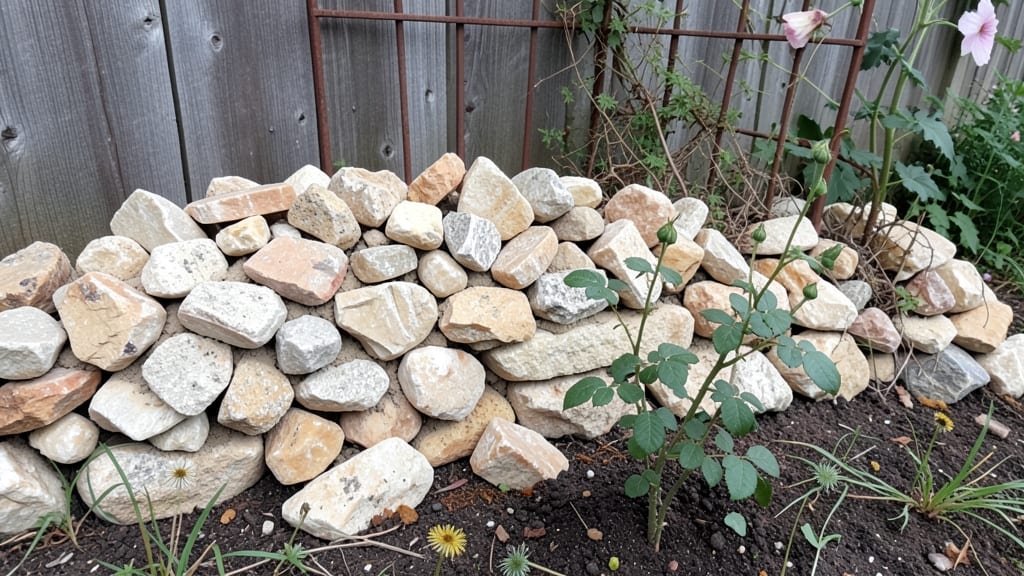
Decorating a garden wall with a vertical privacy screen instantly elevates your yard—it’s like gifting your space a thriving, green second story. 🌿 I’ve turned my own blank concrete wall into a lush curtain that blocks nosy neighbors and adds charm. to my home, all while requiring less space than a traditional hedge.
The best part? You don’t need a green thumb or a deep pocketbook. Climbing roses, ivy, or even hardy succulents can create drama with minimal upkeep. A simple trellis or wire mesh lets vines climb naturally, while built-in pockets or modular planters give you control over spacing and plant choices.
For a modern look, pair greenery with sleek metal panels or mosaic tiles—rustic? Try lattice and climbing clematis.
Imagine waking up to morning sun filtering through glossy leaves, or hosting dinner parties where the wall itself becomes part of the ambiance. With the right mix of evergreens and seasonal bloomers, your screen stays vibrant from winter’s bare branches to summer’s lush canopy.
The payoff isn’t just privacy—it’s a living work of art that grows with you.
Works for urban backyards, suburban fences, or even apartment balconies—just adjust the scale. Let’s make that wall work harder than it ever has before.
📚 In This Guide
- What you need
- Instructions
- Tips and common mistakes
- Wrapping up and next steps
What you need
- ● Garden wall or sturdy vertical structure: Ensure it’s clean, dry, and free of debris (wood, brick, or metal).
- ● Plants: Climbing plants (for soft, flowing coverage): 5–10 vines like Clematis, Jasmine, or Ivy (1 plant per 3–5 sq. ft. of wall).
- ● Structural plants (for year-round greenery): 3–6 Boxwood, Hellebore, or Sedum (1 plant per 1–2 sq. ft. in planters).
- ● Growing medium: 10–20 lbs. of lightweight potting mix (e.g., cactus/succulent mix for drought-resistant plants).
- ● Planters or mounting system: Wall-mounted planters: 5–10 units (depth: 6–12", width: 12–18" per plant).
- ● OR trellis/grid system: 1–2 rolls of galvanized wire mesh (1/4"–1/2" grid) or pre-made trellis panels.
- ● Fasteners: 10–20 stainless steel or coated screws/nails (for wood/metal walls).
- ● 5–10 L-brackets or heavy-duty adhesive strips (for lightweight planters).
- ● Drainage: 1–2 drip irrigation tubes or perforated PVC pipes (1/2" diameter).
- ● Decorative elements: Solar-powered lights (5–10), hanging ornaments, or mosaic tiles for accent walls.
- ● Soil amendments: Slow-release fertilizer (1 lb. per 10 sq. ft.) or mycorrhizal fungi for root health.
- ● Protective gear: Gloves, knee pads, and a level tool for precision.
- ● Weatherproofing: Waterproof membrane (e.g., Tyvek) if mounting directly to concrete.
How to create a vertical privacy screen with year-round greenery
Transform an ugly wall into a lush, living privacy screen that thrives in every season.
🪴 Step 1: Choose and Prepare Your Base Structure
Select a sturdy vertical frame—wooden lattice panels, metal trellises, or even a simple wire mesh—depending on your wall type. I prefer 6-foot-tall panels because they block views effectively while leaving room for climbing plants. Secure the structure to the wall using galvanized screws or heavy-duty brackets, ensuring it’s level and firmly anchored.
For extra stability, especially in windy areas, add horizontal supports every 2 feet. You’ll know it’s secure when the frame doesn’t wobble even when you push gently. If your wall is rough or uneven, use shims to create a flat surface for planting pockets or attaching the structure.
🌱 Step 2: Select Plants for Year-Round Coverage
Mix evergreen shrubs like boxwood or holly for winter structure with fast-growing climbers such as ivy or clematis for summer density. For a low-maintenance look, I combine 1-2 evergreens per 4-foot section with 2-3 climbing vines. Place taller plants toward the back and shorter ones in front to create layers.
Check each plant’s mature height—some vines can reach 20 feet if unchecked! Prune aggressively in early spring to keep them within bounds. If your wall gets full sun, opt for drought-tolerant varieties like star jasmine; for shade, choose English ivy or honeysuckle.
💧 Step 3: Install Planting Pockets or Containers
Attach fabric planting pockets or hanging baskets to the frame, spacing them 12-18 inches apart. Fill each with well-draining potting mix—never garden soil, or roots will suffocate. I add a slow-release fertilizer to the mix to give plants a nutrient boost without extra effort.
For larger shrubs, dig small trenches along the base of the frame and plant directly into the ground. Water thoroughly after planting to settle the soil and encourage root growth. If using containers, place them on drip irrigation lines for consistent moisture—this prevents dry spots that invite pests.
☀️ Step 4: Train Vines and Prune for Shape
Once vines emerge, gently weave them through the frame’s openings or tie them to twine guides every 6-8 inches until they establish. I use soft plant ties to avoid damaging stems as they grow. Prune leggy growth in early summer to encourage bushier foliage—this keeps the screen dense and prevents gaps.
Watch for overgrowth in late summer; trim back one-third of the new growth to maintain control. Evergreens need a light pruning in late winter to shape them before spring flushes. You’ll see the difference immediately—neater edges and a fuller, more polished look.
⏰ Step 5: Maintain Through the Seasons
Water deeply 2-3 times per week in the first growing season, then taper to once weekly once established. Mulch the base with 2-3 inches of shredded bark to retain moisture and suppress weeds. In late fall, add a balanced fertilizer to strengthen plants for winter.
Inspect the structure annually for loose screws or sagging pockets. Replace any damaged fabric or containers before spring. With this routine, your screen will stay lush, green, and fully functional for years—no bare patches or winter browning in sight.
Tips & tricks for perfect vertical privacy screens
Here's what nobody tells you about creating a flawless, year-round green privacy screen that actually lasts.
Structure Stability is Non-Negotiable: I learned this the hard way after watching a 6-foot lattice panel wobble during a summer storm. Use galvanized screws at every corner and add those 2-foot horizontal supports—even if your wall looks perfectly smooth. For extra security, pre-drill holes to prevent wood splitting, especially with brick or stucco walls. A sturdy frame means your entire project won't collapse when vines get heavy.
Plant Placement Creates Illusion: The secret to that "professional garden center" look is strategic layering. Place your 1-2 evergreens per 4-foot section toward the back of the frame, then weave climbing vines in front. This creates depth that hides the structure completely. I always put taller plants at the bottom and shorter ones higher up—it makes the screen appear fuller from ground level. Think of it like a living tapestry!
Pruning Timing Makes All the Difference: That early spring pruning isn't just about shaping—it's about encouraging new growth when plants are most vigorous. I use sharp pruners to cut back one-third of new growth in late summer, which prevents overcrowding and keeps your screen looking manicured. For evergreens, that light winter trim before spring flushes is crucial—it prevents that "wild hedge" look while keeping them dense.
Watering Wisdom Prevents Disasters: Those 2-3 inches of shredded bark mulch aren't just for looks—they're your moisture insurance policy. In the first year, I water deeply 2-3 times weekly at the base (not overhead), which encourages deep root growth. Once established, the mulch helps maintain consistent moisture, reducing your watering to just once weekly. Pro tip: Water in the morning so foliage dries before evening—this prevents fungal issues that can kill your screen.
Pro Tips for Decorating Garden Wall
- Here's what nobody tells you about creating a flawless, year-round green privacy screen that actually lasts.
- Structure Stability is Non-Negotiable: I learned this the hard way after watching a 6-foot lattice panel wobble during a summer storm.
- Plant Placement Creates Illusion: The secret to that "professional garden center" look is strategic layering.
Frequently asked questions
Got questions about transforming your garden wall into a lush, private retreat? We’ve got answers!
Here are some of the most common queries—plus practical tips to make your project a breeze.
What’s the best time of year to install a garden wall privacy screen?
Spring or early fall is ideal! Mild temperatures and moderate rainfall help plants establish roots before extreme weather. Avoid winter (frost risk) or peak summer (heat stress). If you must plant in summer, water deeply daily for the first 2 weeks.
Can I build a DIY garden wall screen without professional help?
Most vertical privacy screens use lightweight materials like lattice panels, trellises, or modular planters. Follow manufacturer guidelines for assembly, and use a level to keep everything straight. For heavy materials (e.g., stone or brick), consider hiring help for structural support.
What are the most low-maintenance plants for year-round greenery?
Opt for hardy evergreens like Hedera helix (English ivy), Trachelospermum jasminoides (star jasmine), or Lonicera sempervirens (coral honeysuckle). These thrive in partial shade, need minimal pruning, and tolerate various climates. Succulents (e.g., Sedum) also work well in warmer regions.
How do I prevent my garden wall screen from leaning or sagging over time?
Ensure your structure has proper spacing between supports (e.g., 4–6 feet apart for wood frames). Use galvanized screws or lag bolts to secure panels, and add horizontal bracing if needed. For climbing plants, install twine or wire mesh to guide growth evenly and reduce weight strain.
Can I mix different materials (e.g., wood + metal) for a modern look?
Yes! Combine materials like cedar planks with black metal brackets or bamboo screens with copper edging for a stylish contrast. Just ensure all components are weather-resistant (e.g., treated wood, stainless steel hardware) to prevent rust or rot. Seal wood annually for longevity.
How do I keep pests (like aphids or slugs) off my garden wall plants?
Start with healthy soil—add compost to boost plant resilience. Use neem oil or insecticidal soap for aphids, and set up beer traps (shallow dishes of beer) for slugs. Encourage natural predators like ladybugs by planting marigolds or dill nearby.
Wrapping up and next steps
Transforming your garden wall into a lush, year-round privacy screen is a rewarding project that blends beauty and functionality! 🌿 Whether you’re using climbing plants, trellises, or vertical gardens, the key is choosing the right greenery for your climate and style.
With the right materials and a little creativity, you can turn an ordinary wall into a stunning focal point that thrives in every season.
Ready to get started? Sketch your design, gather your supplies, and dive in! Your garden’s new green masterpiece is just a few steps away—happy decorating! 🌱✨