
Advice
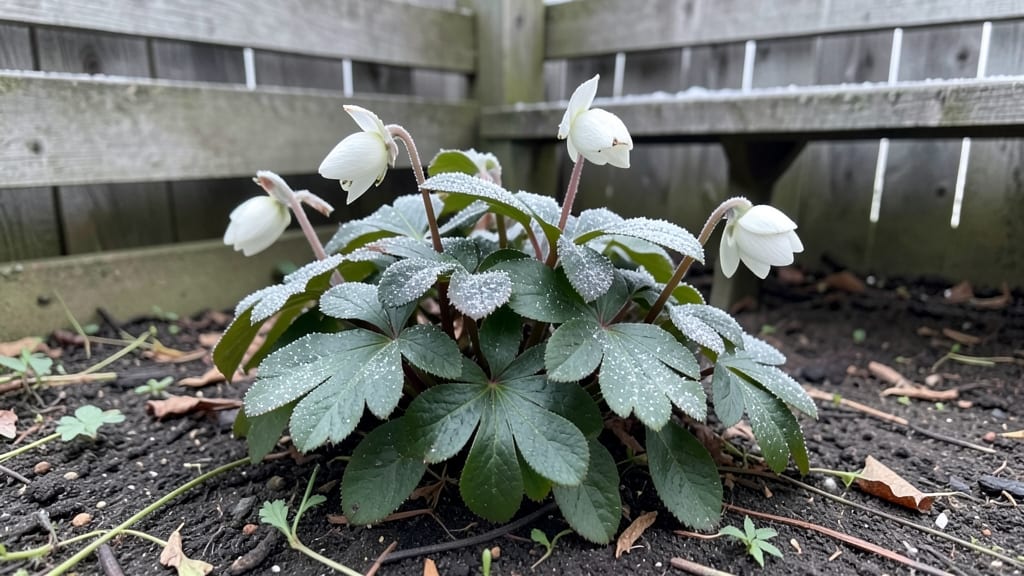
December garden isn’t about hibernation—it’s about cold-hardy blooms that defy winter’s chill. ✨ I’ve watched pansies and hellebores thrive in my yard when most gardens look bare, their colors popping against frost-kissed soil.
The key is choosing plants that love the cold and giving them just enough protection to keep growing.
You don’t need fancy setups—just a few low-maintenance plants and a little winter prep. Hardy perennials like hellebores and winter jasmine need minimal care, while containers of pansies or kale add color without fuss.
Mulch heavily to insulate roots, and water sparingly (only when soil feels dry). Even in freezing temps, these plants keep blooming or producing edible greens.
By February, you’ll have vibrant green foliage and unexpected blooms that make winter feel alive. The best part? These plants set the stage for spring by storing energy underground. Think of December as planting for next year’s show—just in a frostier package.
Works for backyard gardens, containers, or even indoor windowsills if you bring tender plants inside. Here’s how to keep your garden thriving when everything else is dormant.
📚 In This Guide
- What you need
- Instructions
- Tips and common mistakes
- Wrapping up and next steps
What you need
- ● Cold-hardy plants: 3-5 Hellebores (Lenten Rose) – Zones 4-9
- ● 2-3 Winter Jasmine (Jasminum nudiflorum) – Zones 5-9
- ● 1 Camellia (Camellia japonica/sasanqua) – Zones 7-10 (container-friendly!)
- ● 1 Snowdrops (Galanthus) – Zones 3-9 (bulbs)
- ● 1 Pansies or Violas – Zones 3-11 (edible flowers!)
- ● Soil amendments: 5 lbs compost or well-rotted manure
- ● 2 lbs slow-release fertilizer (10-10-10 or organic option)
- ● 1 bag mulch (straw, shredded bark, or pine needles)
- ● Containers (if needed): 2-3 large pots (12"+ diameter) with drainage holes
- ○ 1 self-watering planter (optional for camellias)
- ● Hand tools: 1 trowel (for transplanting bulbs/plants)
- ● 1 pruners (sterilized for camellias)
- ● 1 garden fork (for aerating soil)
- ● Safety & prep: 1 pair gloves (waterproof for wet soil)
- ● 1 watering can or hose with nozzle
- ● 1 wheelbarrow (for hauling mulch/compost)
- ○ Optional (but helpful!): Soil pH test kit (aim for 6.0-7.0 for most plants)
- ● Frost cloth (for tender plants in Zone 5 or colder)
- ● Mini greenhouse or cold frame (to extend growing season)
- ● Check your USDA Hardiness Zone (use the USDA Zone Map to pick the right plants).
- ● Test soil drainage: Dig a 12" hole, fill with water—if it drains in <1 hour, you’re good!
- ● Schedule for December tasks: 📅 Early Dec: Plant bulbs (snowdrops, hellebores)
- ● 📅 Mid-Late Dec: Prune dead foliage (camellias), add mulch
Instructions for designing a December garden
Here's how to transform your winter landscape into a vibrant, low-maintenance display.
🌱 Step 1: Select Cold-Hardy Perennials and Annuals
Choose plants that thrive in 20-40°F temperatures and can handle frost. Hellebores, winter jasmine, and pansies are excellent choices—they bloom beautifully even when other gardens sleep. I always opt for varieties labeled "winter-blooming" or "cold-tolerant" to ensure success.
Dig planting holes twice as wide as the root ball but only as deep. This prevents burying the crown, which can rot in cold, wet soil. Space plants 12-18 inches apart to allow airflow and reduce disease risk. If planting in containers, use the 1 gallon of potting mix per plant to ensure proper drainage.
🪴 Step 2: Prepare Soil and Plant with Winter Care in Mind
Amend the soil with 3 gallons of compost per square yard to improve drainage and fertility. Cold soil drains poorly, so adding organic matter prevents waterlogging. Mix the compost into the top 6 inches of soil, where roots will thrive.
Plant in the late afternoon to reduce transplant shock. Water deeply right after planting to settle the soil and eliminate air pockets. I always add a 1-inch layer of mulch (like shredded bark) to insulate roots and retain moisture—just keep it 3 inches away from stems to prevent rot.
☀️ Step 3: Optimize Light and Microclimates
December gardens need 6+ hours of sunlight daily, but positioning matters. South-facing beds get the most light, but east-facing spots work well too. If your garden is shady, focus on silver foliage plants like dusty miller or winter aconite—they add texture without needing sun.
Group plants with similar light needs together. For example, pansies and violas thrive in full sun to partial shade, while hellebores prefer partial to full shade. Watch for frost damage in the morning—if leaves look crispy, they’ve been frost-bitten, but the plant will often recover.
💧 Step 4: Adjust Watering for Winter Conditions
Water only when the soil feels dry 2 inches below the surface—cold soil holds moisture longer, so you’ll water 30-50% less than in summer. I use a rain gauge to track precipitation and only water if we’ve had less than ½ inch of rain in a week. Overwatering in winter leads to root rot.
Water in the late morning to allow foliage to dry before evening frost. Avoid wetting leaves if possible—frozen water droplets can cause damage. If using drip irrigation, set timers for short, frequent cycles (e.g., 10 minutes every other day) to prevent soil from becoming waterlogged.
✂️ Step 5: Prune and Protect for Winter Resilience
Remove dead or diseased foliage immediately to prevent pests from overwintering. For perennials like hellebores, prune spent blooms in early spring instead—leaving seed heads adds winter interest and shelter for beneficial insects. I never cut back hardy grasses or ornamental grasses until early spring, as their seed heads provide winter structure.
Wrap tender plants in frost cloth if temperatures drop below 15°F. Secure the cloth loosely with stakes or rocks to allow airflow. For containers, move them to a sheltered spot against a wall or under an overhang. If using the 1 gallon of potting mix per container, ensure pots have drainage holes to prevent root rot.
Tips & tricks for perfect December garden design
Creating a thriving winter garden requires strategic planning—here are the key insights that'll make all the difference in your December landscape.
Plant Selection Strategy: When choosing plants for your December garden, prioritize those labeled "winter-blooming" or "cold-tolerant" as mentioned in Step 1. I've found that hellebores and winter jasmine not only survive but thrive in the 20-40°F range, often blooming when most gardens are dormant. For containers, opt for compact varieties like pansies to maximize your 1 gallon of potting mix per plant—this ensures proper drainage while keeping your space organized. The key is balancing hardy perennials with annuals that provide instant color.
Soil Preparation Insight: The 3 gallons of compost per square yard recommendation in Step 2 is crucial for winter planting. Cold soil compacts easily, so mixing compost into the top 6 inches creates a loose, well-draining environment. I always test soil moisture before adding compost—if it feels damp 2 inches below the surface, hold off on amending until it dries slightly. This prevents creating waterlogged conditions that can suffocate roots during winter's chill.
Light Optimization: While your garden needs 6+ hours of sunlight daily as per Step 3, don't overlook microclimates. South-facing beds get the most light, but east-facing spots can work well too—just choose plants accordingly. I've seen dusty miller thrive in partial shade where other plants would struggle. For containers, position them where they'll receive consistent light throughout the day, rotating them occasionally to ensure even exposure on all sides.
Winter Watering Wisdom: The 30-50% less watering guideline in Step 4 is non-negotiable. I've learned this the hard way—overwatering in winter leads to root rot as cold soil can't evaporate excess moisture. Use a rain gauge to track precipitation and only water when you've had less than ½ inch of rain in a week. For drip irrigation, set timers for 10-minute cycles every other day—this mimics natural rainfall patterns while preventing waterlogging.
Pro Tips for December Garden
- Creating a thriving winter garden requires strategic planning—here are the key insights that'll make all the difference in your December landscape.
- Plant Selection Strategy: When choosing plants for your December garden, prioritize those labeled "winter-blooming" or "cold-tolerant" as mentioned in Step 1.
- Soil Preparation Insight: The 3 gallons of compost per square yard recommendation in Step 2 is crucial for winter planting.
Frequently asked questions
Got questions about keeping your December garden thriving? You’re not alone! Here are answers to the most common queries—from frost protection to late-season blooms.
Can I still plant flowers in December?
Yes! Cold-hardy perennials like Hellebores, Winter Aconite, and Pansies thrive in winter. For tender plants, wait until after the first frost or use row covers. Check your USDA zone for timing—some regions can plant year-round!
How do I protect my December garden from frost?
Use frost cloths, mulch (straw or shredded leaves), and group plants together for warmth. Water before freezing temps hit—moist soil retains heat better. For delicate blooms, bring containers indoors at night or cover with burlap.
What’s the easiest way to extend my garden’s season?
Try evergreen shrubs (like Boxwood or Holly) for structure, and add ornamental grasses for movement. Succulents and sedum handle cold well, while Christmas Cactus blooms indoors. Raised beds warm up faster in spring too!
Why are my December plants wilting or turning brown?
Overwatering (soil stays frozen) or underwatering (dry winds) are common culprits. Check soil moisture with your finger—it should be damp but not soggy. Brown leaves? It could be frost damage (trim dead growth) or fungal issues (space plants for airflow).
Are there any edible plants I can grow in December?
Hardy greens like Kale, Spinach, and Lettuce love cool weather. Herbs such as Parsley and Cilantro also survive. For a festive touch, grow Microgreens indoors under grow lights—they’re ready in weeks!
Wrapping up and next steps
December might feel like the off-season for gardening, but with the right cold-hardy plants, your garden can stay vibrant and alive—even in winter! 🌿 From evergreens to winter-blooming flowers, you’ve got the tools and inspiration to create a thriving December garden that brings color and life to the chilly months.
Whether you’re a seasoned gardener or just starting out, this guide proves that winter gardening is not only possible but rewarding.
Ready to take the next step? Start small—pick one or two plants from your list, gather your supplies, and get planting! Share your winter garden progress with fellow enthusiasts or even join a local gardening group for tips and camaraderie. Your winter garden awaits—let’s make it beautiful together! ❄️🌸