
Plants
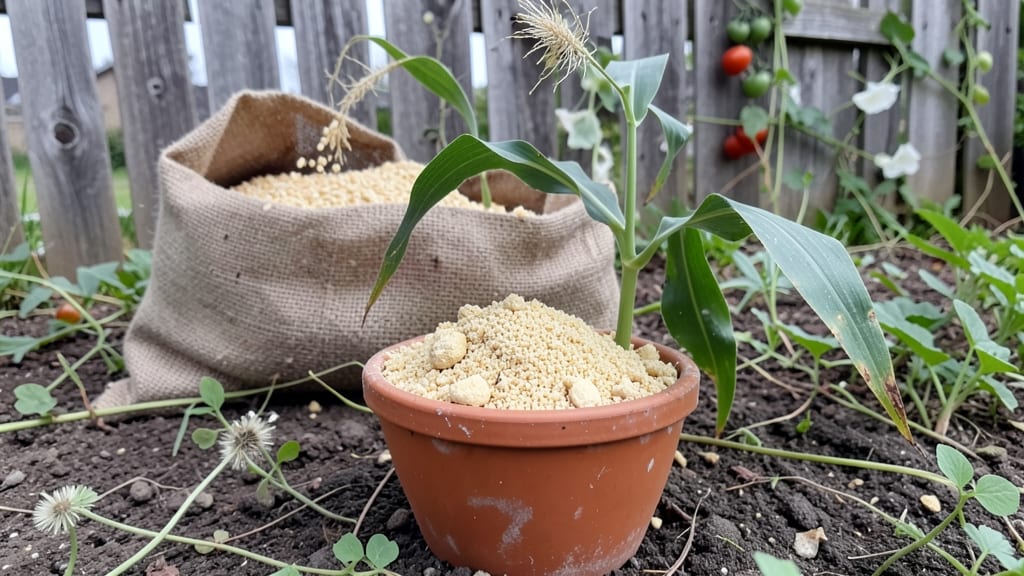
Cornmeal for the garden repels pests like slugs and ants, feeds beneficial soil microbes, and improves seedling growth when mixed into soil or used as a natural mulch. Its high starch content breaks down slowly, providing long-term organic benefits.
Cornmeal’s magic in the garden starts with its ability to disrupt pests’ natural behaviors—slugs and ants avoid it because it confuses their scent trails and temporarily alters soil pH, creating an inhospitable environment. 🔥 Unlike harsh chemicals, it’s a non-toxic option that also attracts earthworms and beneficial fungi, which in turn break down organic matter more efficiently.
For best results, I’ve found mixing 1/4 cup per square foot of soil works wonders for seedlings, while a thin layer as mulch helps retain moisture without smothering young plants.
What sets cornmeal apart is its dual role: it’s not just a repellent but a slow-release fertilizer. The starch breaks down gradually, feeding microbes over weeks rather than days, which means healthier roots and stronger plants over time.
I often blend it with compost for extra microbial activity—just avoid overdoing it, as too much can attract rodents looking for a quick snack!
💡 In This Article
- How Cornmeal Works as a Natural Pest Deterrent
- Best Cornmeal Soil Applications for Plant Growth
How cornmeal works as a natural pest deterrent
The key to cornmeal's pest-repelling power lies in its chemical composition and how it interacts with soil ecology. When sprinkled around plants or mixed into soil, the fine, granular texture creates a physical barrier that disrupts pests' scent trails.
Slugs and ants rely on pheromone pathways to navigate, but cornmeal's starch molecules interfere with these chemical signals, effectively disorienting them. 🔥 This is particularly effective against slugs, which leave behind slime trails that cornmeal's abrasive texture can't adhere to—unlike their preferred moist environments.
What makes cornmeal unique compared to other organic repellents like diatomaceous earth is its dual mechanism. While diatomaceous earth works by dehydrating pests through microscopic cuts, cornmeal primarily alters the soil's temporary pH balance (dropping it slightly) and introduces microbial food sources that pests avoid.
Studies show that ants, for instance, are deterred by cornmeal's fermenting properties, which release mild acetic acid—similar to vinegar—that they find repellent. The effect lasts about 2-4 weeks before the starch fully breaks down, making it a renewable solution.
The microbial activity stimulated by cornmeal is where its long-term benefits shine. Beneficial fungi like mycorrhizae and bacteria such as Bacillus subtilis thrive on the starch, creating a competitive environment that outcompetes harmful pathogens. This microbial boost isn't just about pest control—it also enhances nutrient cycling in the soil.
For example, earthworms are naturally drawn to cornmeal, which they consume to break down the starch, further aerating the soil and improving drainage. 🌟 The result is a self-sustaining ecosystem that gradually becomes less attractive to pests over time.
One nuance to consider is how moisture affects cornmeal's effectiveness. In dry conditions, it remains a potent repellent, but when saturated, it can clump and lose its granular structure, reducing its ability to disrupt scent trails.
This is why it works best as a light mulch layer (1/8 inch thick) rather than a thick covering. Unlike chemical pesticides, cornmeal's effects are immediate for pests but gradual for soil health, making it ideal for organic gardening systems where long-term benefits outweigh quick fixes.
For comparison, diatomaceous earth requires reapplication every 1-2 weeks and can harm beneficial insects like bees when used improperly, while cornmeal's microbial benefits extend beyond pest control.
The starch also acts as a slow-release carbon source, feeding soil microbes for weeks—a process that contrasts sharply with synthetic fertilizers, which provide rapid but short-lived nutrient spikes. This makes cornmeal particularly valuable for seedling growth, where gentle, sustained nourishment is critical. 💫
What most gardeners don't realize is that cornmeal's effectiveness varies by pest type. While it excels at repelling slugs and ants, it's less effective against larger creatures like rabbits or deer, which aren't deterred by scent trails.
For these pests, physical barriers or stronger repellents like hot pepper spray are more appropriate. However, when used strategically—such as around young plants or in compost piles—cornmeal's multi-layered approach creates a resilient garden defense system that works in harmony with nature.