
Tools
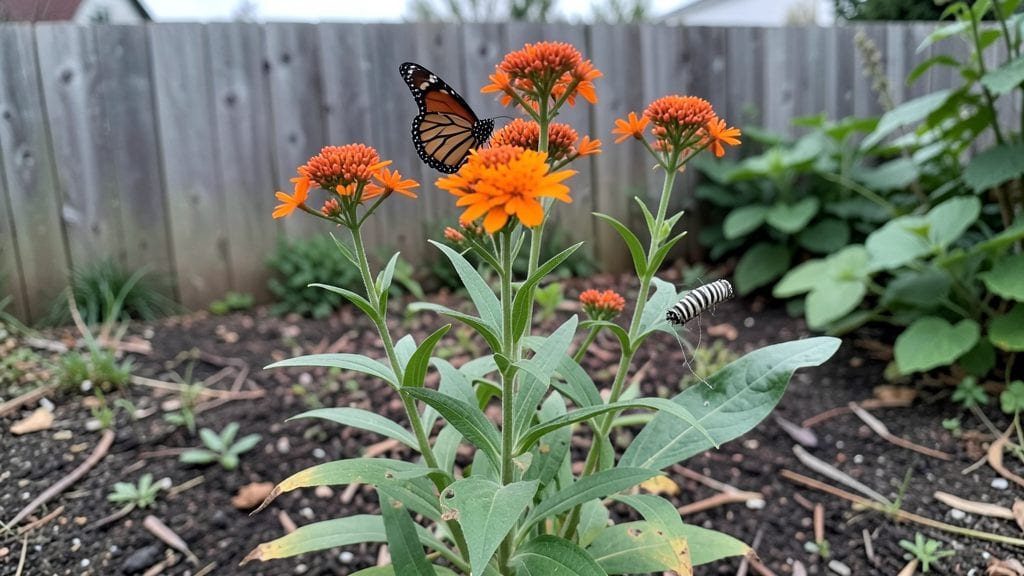
A butterfly garden bed isn’t just a patch of flowers—it’s a lifeline for winged visitors that’ll turn your yard into a shimmering, living tapestry. 🌸 I’ve watched monarchs, swallowtails, and skippers transform my once-ordinary border into a stopover so busy it hums with wings.
The magic starts with the right plants: native species that bloom in waves, ensuring food from spring’s first crocus to late asters when frost nips at the edges.
You don’t need a sprawling meadow—just 5-10 square feet of sun-drenched space and a shallow dish of water (add pebbles so they don’t drown). Layer plants by height: tall coneflowers and milkweed at the back, mid-height black-eyed Susans, and low-growing thyme or creeping phlox up front.
The key? Color contrast—purples, yellows, and whites trigger butterflies’ instincts like a neon sign.
By midsummer, you’ll see caterpillars munching milkweed and adults sipping nectar from salvia blooms. The real payoff? A garden that stays vibrant even when your neighbors’ beds go dormant. This isn’t just decoration—it’s a year-round ecosystem that thrives with almost no extra work once established.
Works in containers, raised beds, or ground plots—adjust plants for your zone (check local native plant guides). The only rule? Skip pesticides—butterflies are picky diners, and they’ll skip your table if it’s been sprayed. Ready to turn your corner into a pollinator paradise?
📚 In This Guide
- What you need
- Instructions
- Tips and common mistakes
- Wrapping up and next steps
What you need
- ● Native flowering plants: Choose at least 5-10 varieties that bloom at different times (e.g., milkweed, coneflowers, black-eyed Susans, butterfly bush, and asters). Aim for 3-5 plants per square foot of garden bed.
- ● Topsoil or garden soil: 2-3 cubic yards (depending on bed size) with good drainage and organic matter.
- ● Compost or organic fertilizer: 5-10 lbs to enrich the soil and support plant growth.
- ● Mulch: 2-3 bags (pine straw, wood chips, or shredded leaves) to retain moisture and suppress weeds.
- ○ Garden bed edging: Flexible or rigid (e.g., metal, plastic, or stone) to define the space (optional but recommended for neatness).
- ● Watering can or hose with a gentle spray nozzle: For consistent hydration without damaging delicate plants.
- ● Garden trowel or spade: For digging and planting.
- ● Garden fork: To loosen compacted soil.
- ● Pruners or shears: For trimming plants and shaping the bed.
- ● Wheelbarrow or garden cart: To haul soil, mulch, and plants.
- ● Gloves: To protect your hands from thorns and dirt.
- ● Measuring tape: For planning and marking bed dimensions.
- ● String and stakes: To outline the garden bed before planting.
- ● Butterfly-friendly accessories: Pebbles, shallow water sources (like a birdbath), or flat rocks for basking.
- ● Pest control: Neem oil or insecticidal soap to deter aphids or other pests.
- ● Drip irrigation system: For hands-off watering (great for larger beds!).
- ● Seeds for annuals: Fast-growing varieties like cosmos or zinnias to fill gaps.
- ● Decorative elements: Solar-powered lights, painted stones, or a small sign to personalize your haven.
Step-by-step instructions for designing a thriving butterfly garden bed
Transform your space into a vibrant sanctuary where butterflies linger all season long.
🌱 Step 1: Select the Perfect Location and Prepare the Soil
Choose a sun-drenched spot receiving at least 6-8 hours of sunlight daily—butterflies are cold-blooded and need warmth to thrive. I always test the site by observing how long shadows linger; if the area stays shaded past mid-afternoon, supplement with a small patio heater during cooler months. Avoid windy locations where delicate wings get battered.
Loosen the soil to a depth of 12 inches using a garden fork, breaking up compacted layers. Amend with 2-3 inches of compost to enrich the bed—this ensures roots access nutrients without competition from weeds. I like to mix in a handful of native wildflower seeds directly into the soil; these establish quickly and provide early nectar for emerging butterflies.
🌿 Step 2: Layer Plants for Continuous Bloom and Host Plants
Design your bed in three tiers: tall sunflowers or coneflowers at the back (3-4 feet tall), mid-height black-eyed Susans or milkweed (2-3 feet), and low butterfly weed or alyssum (6-12 inches). This vertical structure mimics natural habitats and gives butterflies safe landing zones at every height. Space plants 12-18 inches apart—crowding stresses roots and reduces blooms.
Include at least 3 milkweed plants (the only host for monarchs) and 2-3 other host plants like parsley or dill for swallowtails. I always add flat rocks or bare soil patches—butterflies need places to bask and warm their wings. Avoid pesticides entirely; even "organic" sprays can harm caterpillars.
💧 Step 3: Water Deeply and Mulch for Retention
Water deeply once weekly (or daily in extreme heat) until the soil feels moist 4 inches down. Shallow watering encourages weak roots that can’t sustain blooms. I use a soaker hose to deliver water at the base—this prevents fungal diseases that splash upward. Early mornings are best to allow foliage to dry before evening humidity sets in.
Apply 2-3 inches of mulch (shredded bark or straw) to retain moisture and suppress weeds. Keep mulch 2 inches away from stems to prevent rot. This layer also regulates soil temperature—critical for overwintering chrysalises. I refresh mulch annually in spring, adding a thin layer of compost to feed microbes that break down organic matter.
✂️ Step 4: Maintain with Deadheading and Seasonal Refreshes
Remove spent blooms weekly to encourage continuous flowering—this is key for attracting butterflies when nectar is scarce. I pinch off faded flowers with my fingers (no tools needed) and compost them immediately. For perennials like milkweed, cut back brown stems in early spring but leave seed pods—some butterflies overwinter in dried foliage.
In late summer, add new annuals like zinnias or cosmos to extend the bloom season. These fast growers fill gaps left by biennials that bolt in heat. I also scatter native wildflower seeds in fall—they’ll germinate in spring when conditions are ideal. Avoid fertilizers; butterflies prefer nutrient-poor blooms with high nectar content.
☀️ Step 5: Enhance with Water and Shelter for Year-Round Visitors
Install a shallow dish with pebbles and water—butterflies need hydration but can’t drown. I place mine near the bed’s edge where they can land easily. Add a small flat rock as a perch; butterflies often drink while basking. Refresh water every 2-3 days to prevent algae growth, which deters visitors.
Create sheltered microclimates with brush piles or dense shrubs (like butterfly bush) where butterflies can escape predators and harsh weather. I leave last year’s seed heads standing—they provide overwintering sites for chrysalises. By autumn, your garden will hum with activity as migrating butterflies stop to refuel before their journey south.
Tips & tricks for perfect butterfly garden beds
Creating a thriving butterfly haven takes more than just planting flowers—it's about mimicking nature's ecosystem with precision.
Location Intelligence: The 6-8 hours of sunlight requirement isn't just about warmth—it's about creating a microclimate where butterflies can thermoregulate. I test locations by placing a white plate in the sun for 2 hours; if it gets too hot to touch (above 100°F), supplement with shade cloth during peak afternoon. Butterflies need both sun for basking and cooler spots for shelter, especially in southern climates where temperatures can exceed 90°F.
Plant Layering Strategy: When designing your three-tier structure, think vertically like a forest understory. The tall sunflowers (3-4 feet) should be placed 18-24 inches apart at the back, while the mid-height milkweed (2-3 feet) gets 12-15 inches spacing. Low-growing alyssum (6-12 inches) can be planted 8-10 inches apart—this creates natural landing platforms at every height where butterflies can rest between flights. I always plant milkweed in clusters of three; monarchs prefer these "host plant islands" for egg-laying.
Watering Wisdom: That weekly deep watering isn't just about hydration—it's about creating the right soil moisture profile. Use your finger to check 4 inches down: soil should feel like a wrung-out sponge, not muddy or bone-dry. I water in the early morning (6-8 AM) when temperatures are below 75°F to prevent evaporation and fungal growth. For extreme heat waves, switch to daily watering but use a soaker hose to prevent leaf scorch from overhead watering.
Seasonal Maintenance: The weekly deadheading isn't just about looks—it's a biological trigger. When you remove spent blooms, you're signaling the plant to produce more flowers, not seeds. For milkweed specifically, leave 10-15% of the seed pods until late fall—they provide overwintering sites for chrysalises. I mark these pods with small flags so I don't accidentally remove them during spring cleanup.
Pro Tips for Butterfly Garden Bed
- Creating a thriving butterfly haven takes more than just planting flowers—it's about mimicking nature's ecosystem with precision.
- Location Intelligence: The 6-8 hours of sunlight requirement isn't just about warmth—it's about creating a microclimate where butterflies can thermoregulate.
- Plant Layering Strategy: When designing your three-tier structure, think vertically like a forest understory.
Frequently asked questions
Got questions about creating your own butterfly garden bed?
You’re not alone! Here are some of the most common queries—plus straightforward answers to help you design a thriving pollinator paradise with confidence.
What’s the best time of year to plant a butterfly garden bed?
For most U.S. regions, spring (after the last frost) is ideal for planting perennials and annuals. However, fall planting (6–8 weeks before first frost) gives roots time to establish before winter. In warmer climates (Zones 8–11), you can plant year-round! Just ensure soil temps are above 50°F (10°C) for best germination.
Will butterflies visit if I don’t have milkweed (for monarchs)?
While milkweed is critical for monarchs, other butterflies thrive on nectar-rich flowers like butterfly bush, coneflower, or bee balm. Mix host plants (like parsley for swallowtails or ferns for red admirals) with nectar sources to attract a diverse butterfly population. Check local guides for region-specific favorites!
How often should I water a butterfly garden bed?
Newly planted beds need 1–1.5 inches of water weekly (including rainfall). Once established (after 6–12 months), most perennials tolerate drought better—aim for deep watering 2–3 times per week during dry spells. Mulch helps retain moisture, reducing evaporation and weeds. Avoid overhead watering to prevent fungal diseases.
Can I use containers instead of an in-ground bed for butterflies?
Yes! Containers work beautifully for small spaces or renters. Use large pots (12+ inches deep) with drainage holes, and fill with well-draining soil. Choose compact perennials like black-eyed Susan, lantana, or pentas. Just ensure pots get 6+ hours of sunlight and rotate them weekly for even growth. Bonus: Containers let you move plants to optimize sunlight!
Why aren’t butterflies visiting my garden bed?
If your garden feels quiet, check these fixes:
- Lack of water: Butterflies need puddles or damp soil to drink (add a shallow dish with pebbles).
- Missing host plants: Caterpillars need specific plants to lay eggs (e.g., dill for swallowtails).
- Pesticides: Even "organic" sprays can harm pollinators—opt for neem oil or manual removal of pests.
- Timing: Some species emerge in spring or fall; research local flight seasons.
Patience helps—it can take 1–2 seasons for a garden to become a butterfly hotspot!
Wrapping up and next steps
Creating a butterfly garden bed isn’t just about adding beauty to your yard—it’s a rewarding way to support pollinators and enjoy vibrant blooms year-round! 🌸 With the right plants, design, and care, you’ll transform your space into a thriving haven for butterflies and other wildlife.
Start small if needed, but don’t wait—your garden (and the butterflies!) will thank you.
Ready to take the next step? Sketch your design, gather your supplies, and plant your first blooms this weekend! 🌿 Whether you’re a beginner or a seasoned gardener, every effort makes a difference. Happy planting!