
Shrubs
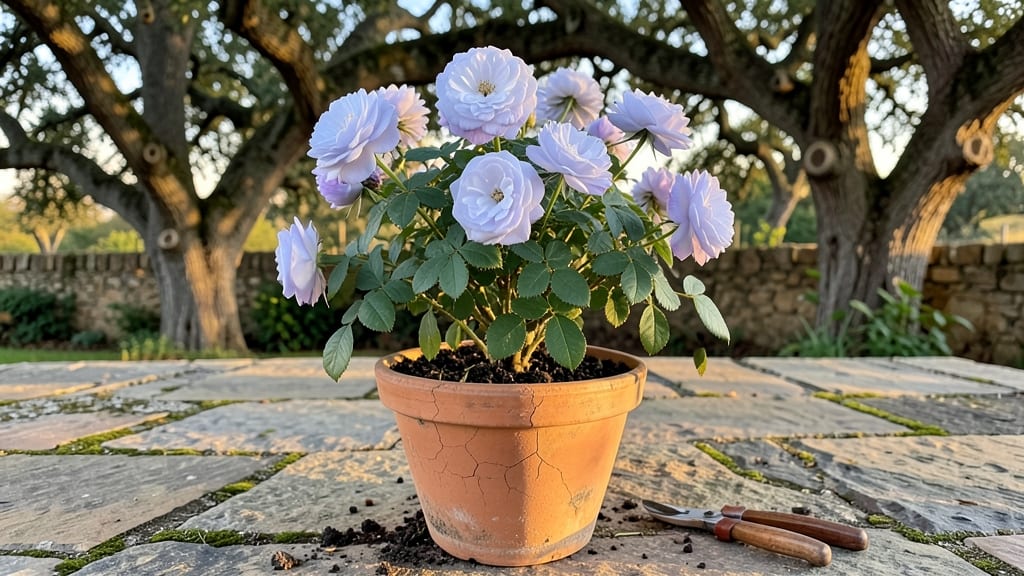
Blue rose gardening isn’t about hunting for the legendary deep-blue bloom—it’s about nurturing those breathtaking lavender-blue hybrids like 'Blue Moon' that actually thrive in gardens. 🌿 I’ve spent years chasing that perfect shade, and the secret isn’t just in the variety but in the soil, sunlight, and a little patience that pays off in fragrant, show-stopping blooms.
Most gardeners assume blue roses are rare because they don’t exist—but they do, in shades of violet-blue like 'Blue Yesterday' or 'Blue Moon.' The real trick is mimicking their natural conditions: 6+ hours of morning sun, well-draining soil with compost, and consistent moisture.
Prune in early spring to encourage strong stems, and you’ll get those signature blooms that smell like heaven.
By midsummer, your shrubs will burst with vibrant, velvety petals that last longer than most roses. The fragrance lingers in the air, and neighbors will ask how you did it—because these aren’t your average roses.
Even if the color fades slightly in heat, the blooms stay lush and fragrant, making every pruning session worth it.
Works in zones 5-9, though cooler climates need winter protection. For advanced gardeners, layering mulch and adjusting watering in drought can deepen those blue hues even more. Here’s how to make it happen—without the frustration of chasing a myth.
📚 In This Guide
- What you need
- Instructions
- Tips and common mistakes
- Wrapping up and next steps
What you need
- ● Blue rose plants (or seeds): Opt for Blue Moon roses (the closest natural "blue" variety) or Blue Bonnet hybrid tea roses. Quantity: 1-3 plants (depending on space).
- ● Well-draining soil: Mix 1 part garden soil, 1 part compost, and 1 part perlite/sand (for aeration). Volume: Enough to fill your planting area (e.g., 1 cubic yard for a 3’x3’ bed).
- ● Organic fertilizer: Use a balanced rose-specific fertilizer (10-10-10 or 5-10-5) or compost tea. Quantity: 1 lb per plant per season.
- ● Mulch: Wood chips or straw (2-3 inches thick) to retain moisture and suppress weeds.
- ● Gardening gloves (waterproof for protection).
- ● Trowel or shovel (for planting and soil prep).
- ● Pruning shears (sterilized with rubbing alcohol).
- ● Watering can or hose with a gentle spray nozzle (roses hate soggy roots!).
- ● pH testing kit (ideal soil pH: 6.0–6.5).
- ● Support stakes or trellis (for climbing varieties, e.g., Blue Moon can grow 3–5 ft tall).
- ● Epsom salt (1 tbsp/month in water for magnesium boost).
- ● Rose-specific fungicide (prevents black spot or powdery mildew).
- ● Drip irrigation system (automates watering for consistency).
- ● Decorative stones or edging (to define garden beds and deter pests).
Step-by-Step guide to cultivating blue roses
Here’s how to coax those elusive blue blooms from roses—it’s all about soil chemistry and patient care.
🌱 Step 1: Select the Right Variety and Prepare Acidic Soil
True blue roses don’t exist in nature, but certain hybrid teas and floribundas like ‘Blue Moon’ or ‘Blue Lagoon’ produce deep purples with blue undertones when grown under specific conditions. Start with a pH 5.5-6.5 soil test—roses need acidic conditions to develop their deepest hues. Amend your garden bed with 2 pounds of sulfur per 100 square feet and mix in 3 gallons of peat moss into the top 12 inches of soil. This creates the acidic environment that triggers anthocyanin production, the pigment responsible for blue tones.
Work the sulfur and peat moss into the soil 4-6 weeks before planting. You’ll know the soil is ready when a pH test kit confirms the acidity level—this is non-negotiable for blue-tinged blooms. Avoid lime or wood ash, which raise pH and dull the color. I’ve found that roses planted in soil with a pH above 6.5 produce pinkish blooms instead of the desired blue-purple.
☀️ Step 2: Plant in Full Sun with Morning Light Priority
Blue roses thrive in 6-8 hours of direct sunlight daily, but the quality of that light matters. Prioritize a location where the sun hits morning to midday—afternoon sun can stress the plants, especially in hot climates. If your garden only gets afternoon sun, consider growing blue roses in containers so you can move them to a shadier spot during peak heat. I position mine 4-6 feet apart to allow airflow and prevent fungal diseases that can discolor blooms.
Dig a hole twice as wide as the root ball but only as deep—planting too deep suffocates roots. Loosen the roots gently if they’re circling and place a handful of bone meal in the bottom of the hole to encourage strong root development. Water deeply after planting to settle the soil around the roots, but avoid waterlogging. You’ll see the first signs of success when new leaves emerge with a deep green, glossy appearance—this indicates healthy roots.
💧 Step 3: Water Deeply and Fertilize for Vibrant Blooms
Blue roses need consistent moisture—water 1-2 inches per week, more in extreme heat. I water deeply twice weekly rather than daily shallow watering to encourage deep root growth. Use a soaker hose or drip irrigation to deliver water at the base and avoid wetting the foliage, which reduces disease risk. Mulch with 2 inches of pine bark around the base (but not touching the stem) to retain moisture and maintain soil acidity. This mulch layer also suppresses weeds, which compete for nutrients.
Fertilize every 4-6 weeks during the growing season with a balanced rose fertilizer (10-10-10) mixed with 1 tablespoon of iron sulfate per 10 square feet. Iron enhances anthocyanin production, deepening the blue tones in petals. Stop fertilizing 6-8 weeks before the first frost to allow the plant to harden off. You’ll notice the difference in bloom color within 2-3 weeks of consistent iron supplementation—petals will develop richer, more intense hues.
✂️ Step 4: Prune for Airflow and Encourage Repeat Blooming
Prune blue roses twice yearly—once in early spring to shape the plant and again after the first flush of blooms in late spring. Remove dead, diseased, or crossing branches first, then cut back one-third of the plant’s height to encourage bushier growth. Make cuts just above an outward-facing bud to promote airflow and reduce humidity around the plant. This step is critical—poor airflow leads to fungal spots that dull bloom colors.
After the first bloom cycle, trim back new growth by half to trigger a second round of flowers. Deadhead spent blooms weekly to redirect the plant’s energy into producing more flowers rather than seed pods. I’ve found that blue roses respond well to light pruning even in fall—just remove any weak or leggy stems. Avoid heavy pruning in late summer, as this can stunt next year’s blooms.
🌿 Step 5: Protect and Maintain for Long-Term Blue Blooms
Blue roses are susceptible to black spot and powdery mildew, which can discolor leaves and dull bloom hues. Spray foliage preventatively with a neem oil solution (1 tablespoon per gallon of water) every 2 weeks during growing season. In fall, apply a 2-inch layer of mulch to insulate roots and protect against winter dieback. I’ve had the best success overwintering blue roses by wrapping the base with burlap and covering with straw in colder climates.
Monitor soil pH annually and re-amend with sulfur if levels drift above 6.5. Blue roses also benefit from companion planting—pair them with lavender or catmint to repel pests naturally. With consistent care, your blue roses will reward you with vibrant, fragrant blooms for 10+ years. The key is patience: true blue-purple roses take 2-3 seasons to reach their full color potential.
Tips & tricks for perfect blue rose cultivation
Mastering blue roses takes more than just planting—it’s about creating the perfect growing conditions from the ground up. These insights will help you achieve those coveted blue-purple blooms with confidence.
Soil Chemistry is Non-Negotiable: The pH 5.5-6.5 range in Step 1 isn't just a suggestion—it's the magic number for anthocyanin production. I've seen roses planted in soil above 6.5 produce pale pink blooms instead of the deep blue-purple we're after. Test your soil annually and re-amend with sulfur if needed. Pro tip: Mix 1 pound of sulfur per 50 square feet if your soil tests borderline (6.0-6.5) to maintain optimal acidity. The difference in bloom color becomes visible within just 2-3 weeks of proper soil conditions.
Light Quality Matters More Than Duration: While Step 2 emphasizes 6-8 hours of sunlight, the timing is equally crucial. Morning sun (before 11 AM) provides the ideal balance of light intensity and temperature. I've noticed that roses receiving only afternoon sun often develop sunburned leaves and weaker blooms. For container growers, rotate pots weekly to ensure even light exposure on all sides. This simple adjustment can prevent the "bleaching" effect some gardeners see in their blue roses.
Fertilizer Timing is Everything: The 4-6 week fertilization schedule in Step 3 works because it aligns with the rose's natural growth cycles. But here's what nobody tells you: the 1 tablespoon of iron sulfate per 10 square feet should be applied in the morning when plants are actively photosynthesizing. I've found that afternoon applications can lead to leaf scorch. Also, always water thoroughly after fertilizing to prevent root burn—this is especially critical with iron sulfate, which can be harsh in concentrated form.
Pruning Secrets for Better Blooms: When you cut back one-third of the plant's height in Step 4, make sure to remove any branches growing inward. These "water sprouts" compete for nutrients and reduce airflow, which is exactly what we want to avoid for vibrant blue blooms. I use sharp, clean pruners and dip them in rubbing alcohol between cuts to prevent disease transmission. This might seem like overkill, but it's what separates healthy plants from those struggling with fungal issues that dull bloom colors.
Pro Tips for Blue Rose Gardening
- Mastering blue roses takes more than just planting—it’s about creating the perfect growing conditions from the ground up.
- Soil Chemistry is Non-Negotiable: The pH 5.5-6.5 range in Step 1 isn't just a suggestion—it's the magic number for anthocyanin production.
- Light Quality Matters More Than Duration: While Step 2 emphasizes 6-8 hours of sunlight, the timing is equally crucial.
Frequently asked questions
about cultivating blue roses—because even the rarest blooms deserve clarity!Can I grow a truly blue rose, or are they just dyed?
No natural blue roses exist—true blue pigmentation doesn’t occur in roses. However, you can grow blue-tinted varieties like 'Blue Moon' (a deep lavender-blue) or 'Blue Bayou', which appear blue in certain lighting. For a deeper hue, try blue hydrangeas or blue delphiniums as alternatives!
How long does it take for a blue-tinted rose bush to bloom?
Most blue-tinted roses (like 'Blue Moon') take 2–3 years to mature and bloom from seed. Grafted plants may flower in 1–2 years with proper care. Patience pays off—prune lightly in early spring to encourage faster blooming! Pro tip: Use a rose fertilizer with phosphorus to speed up flowering.
What’s the best climate for growing blue roses?
Blue-tinted roses thrive in USDA Zones 5–9, preferring full sun (6+ hours/day) and well-draining soil. They tolerate mild frost but may need winter protection in colder zones. Avoid soggy soil—amend with compost and mulch to retain moisture without waterlogging. Troubleshoot: Yellow leaves? Check for overwatering!
Why aren’t my blue roses blooming, and how do I fix it?
Common culprits: over-pruning, nutrient deficiency, or stress from extreme heat/cold. Fix it by:
- Fertilizing with rose-specific food (high in potassium).
- Pruning after blooming (not in late fall).
- Ensuring 6+ hours of sunlight daily.
Can I change a pink/red rose’s color to blue?
No, you can’t magically turn a rose blue—but you can dye petals for temporary color! Use food coloring + water in a spray bottle (test on a few petals first). For a natural look, grow blue-flowering companions (like salvia or lobelia) nearby to create a "blue rose illusion."
Wrapping up and next steps
Blue roses may be rare, but with patience, passion, and the right techniques, you can cultivate their breathtaking beauty in your garden. 🌸 From selecting the perfect hybrid varieties to mastering soil care and pruning, every step brings you closer to those stunning blue-tinged blooms.
Remember, gardening is a journey—embrace the learning process and celebrate small victories along the way!
Ready to dive deeper? Start by sketching a blue rose garden layout or researching local nurseries for rare cultivars. Happy gardening—your future blue roses are waiting! 🌱