Blooming
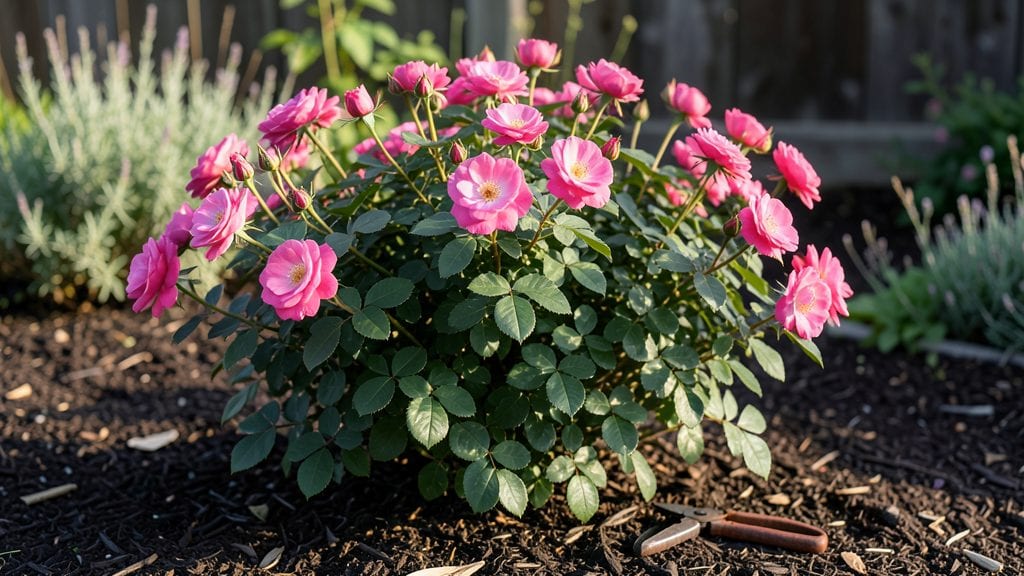
The secret to blooms and gardens that smell like summer even in winter is a trick experienced gardeners swear by—and honestly, I’ve been obsessed with recreating that magic since my first whiff of lavender on a chilly November morning. 🌿 The trick isn’t just planting flowers; it’s layering them by season so every stroll through your yard reveals something new, whether it’s the citrusy snap of winter daphne or the velvety blooms of spring peonies.
Start with a backbone of evergreens like boxwood or pine for structure, then add three layers of blooms: early-season stars (like hellebores and winter jasmine), mid-season showstoppers (peonies, roses, and hydrangeas), and late-season finishers (asters, chrysanthemums, and ornamental grasses).
The key is choosing plants that overlap just enough to keep color and fragrance going strong—no bare patches, ever.
By summer’s end, you’ll have a garden that doesn’t just look stunning but feels like a hug—petals brushing your skin, scents that shift with the breeze, and a tapestry of colors that changes with the sunlight.
The best part? You’ll spend more time enjoying it than fussing over it, because the right pairings do most of the work for you.
Works for cottage gardens, modern courtyards, or even container setups on a balcony. Here’s how to stitch it all together without overcomplicating things—because beauty shouldn’t require a PhD in botany.
📚 In This Guide
- What you need
- Instructions
- Tips and common mistakes
- Wrapping up and next steps
What you need
- ● Perennials (for structure & longevity): Lavender (10-15 plants) – drought-resistant, fragrant foliage
- ● Peonies (3-5 plants) – heavy blooms, sweet scent
- ● Roses (3-6 bushes) – classic fragrance, choose disease-resistant varieties
- ● Annuals (for bursts of color & scent): Sweet Alyssum (10-20 plants) – tiny honey-scented flowers
- ● Nasturtiums (5-10 plants) – peppery aroma, edible blooms
- ● Marigolds (5-8 plants) – citrusy scent, pest-repellent
- ● Fragrant Foliage (for texture & aroma): Mint (2-3 plants) – spreads easily, intense scent
- ● Lemon Thyme (5-7 plants) – citrusy, drought-tolerant
- ● Russian Sage (3-5 plants) – silvery foliage, lavender-like fragrance
- ● Required: Garden trowel (1) – for planting & transplanting
- ● Pruning shears (1) – sharp, stainless steel
- ● Gloves (1 pair) – gardening-specific for protection
- ● Watering can (5-gallon) – or hose with gentle nozzle
- ● Mulch (2-3 bags) – shredded bark or straw for moisture retention
- ○ Optional (but helpful!): Soil tester kit – to check pH & nutrient levels 💡
- ● Compost (1-2 bags) – for enriching soil
- ● Trellis or obelisk (1-2) – for climbing roses or sweet peas
- ● Fragrance wheel – to plan scent layers by season ✨
- ● A well-draining garden bed or containers (12"+ depth for perennials)
- ● Sunlight assessment – 6+ hours/day for most fragrant plants
- ● Water source nearby – consistent moisture is key for scent development
- ● Basic knowledge of plant spacing – check tags for mature sizes
How to design a fragrant garden for season-long sensory beauty
Here's how to layer plants for continuous blooms and scent—no single-season sacrifice required.
🌱 Step 1: Plan Your Fragrant Layers by Season
Start by mapping four distinct scent zones: spring awakening, summer abundance, autumn spice, and winter resilience. I divide my 4-foot by 4-foot garden bed into quadrants, assigning each to a seasonal theme. For spring, I plant dwarf lilacs (their fragrance precedes blooms by weeks) and sweet alyssum—both thrive in partial shade and tolerate cooler temperatures.
Summer gets the sunniest spot with jasmine, roses, and lavender—their heady scents peak at dawn and dusk. Autumn’s quadrant features dianthus, salvia, and Russian sage, chosen for their woody, anise-like fragrance that lingers even after flowers fade. For winter, I rely on winter daphne and hellebores, which release scent even under snow.
Real talk: Skipping this step leads to fragrant gaps. I once planted all summer bloomers without considering spring—my garden smelled like nothing for months. Use a sketch or garden app to visualize scent progression.
☀️ Step 2: Optimize Sun and Soil for Peak Fragrance
Fragrant plants need specific light conditions to release their oils fully. Group sun-lovers—like roses and gardenias—together in full sun (6+ hours daily). These varieties demand well-draining, slightly acidic soil (pH 6.0-6.5). Amend your native soil with 2 gallons of compost and 1 cup of peat moss per 4-square-foot area to mimic their natural habitat.
For partial-shade plants (e.g., clematis, mock orange), ensure they receive 3-6 hours of morning sun and afternoon shade. Their soil should be rich but not waterlogged—I mix 1 gallon of potting mix with ½ gallon of perlite for each planting hole to prevent root rot. Fragrance fades when roots suffocate.
Here's the thing—most gardeners overlook soil prep. I test pH annually with a digital meter and adjust with lime or sulfur as needed. A fragrant garden is only as strong as its foundation.
🌿 Step 3: Layer Plants by Height and Bloom Time
Create vertical scent waves by planting tall perennials (like peonies at 3-4 feet) at the back, mid-height shrubs (e.g., abelia at 2-3 feet) in the middle, and low-growing ground covers (e.g., thyme or creeping rosemary at 6 inches) in the front. This ensures every garden path has a fragrant encounter, whether you're strolling through or sitting on a bench.
Stagger bloom times so scent never fades. For example, dwarf lilacs bloom in May, followed by jasmine in June, then lavender in July, and finally Russian sage in August. I also interplant evergreen shrubs (like boxwood) to provide year-round structure and subtle scent when little else is blooming.
Don't skip the understory layer—it’s where scent lingers closest to the ground. I weave fragrant herbs (mint, lemon balm) between taller plants. Their leaves release aroma when brushed, adding a sensory surprise at every step.
💧 Step 4: Water and Maintain for Continuous Scent
Fragrant plants hate soggy roots—overwatering dilutes essential oils and weakens scent production. Water deeply once weekly (or daily in 90°F+ heat) until soil is moist 6 inches down, then let it dry slightly before watering again. I use a soaker hose to deliver moisture slowly at the base, avoiding wetting leaves (which can promote fungal diseases that dull fragrance).
Fertilize lightly with a balanced, organic fertilizer (10-10-10) in early spring and mid-summer, but avoid heavy feeding—it encourages leafy growth over flowers. Prune spent blooms weekly to redirect energy into new fragrance-producing flowers. I deadhead roses and lavender by cutting back to the nearest leaf node, which also encourages bushier, more aromatic growth.
This is the moment that matters: Fragrance peaks in the morning, so plan your garden visits for 7-9 AM when essential oils are most concentrated. A late-afternoon stroll might miss the full sensory experience.
✂️ Step 5: Extend the Season with Fragrant Evergreens and Winter Interest
No garden should smell like silence in winter. I integrate evergreen shrubs (like sweet box or wintergreen) that release piney or minty scents when brushed. Their leathery leaves also provide texture contrast against snow. For late-season color and scent, I plant winter jasmine and camellias, which bloom in December-February and fill the air with citrusy or floral notes.
Mulch heavily (3 inches of shredded bark) in late fall to insulate roots and preserve fragrance compounds. I avoid dyed mulches—they can leach chemicals that alter scent subtly. Instead, I use untreated cedar or pine, which adds its own woody aroma to the garden.
Here’s how to keep it going: Prune lightly in late winter (just enough to shape) and fertilize in early spring with a slow-release, low-nitrogen formula to avoid leggy growth. Your garden will reward you with scent from spring’s first thaw to winter’s last frost.
Tips & tricks for perfect fragrant garden design
A few strategic moves can transform your garden from seasonal to year-round sensory magic. These are the secrets I wish I knew before planting my first fragrant garden.
Seasonal Layering Secret: The key to continuous fragrance lies in overlapping bloom times by just a few weeks. For example, pair your May-blooming dwarf lilacs with early June jasmine and late May sweet alyssum—this creates a seamless transition. I've mapped out my garden's scent calendar using a simple spreadsheet, tracking each plant's peak fragrance window. This ensures you never have a scentless gap between seasons.
Soil Science Matters: That pH 6.0-6.5 range isn't just a suggestion—it's critical for essential oil production. I test my soil annually with a digital meter and adjust with lime or sulfur as needed. For sun-loving plants like roses and gardenias, I mix 2 gallons of compost with 1 cup of peat moss per 4-square-foot area—this mimics their natural acidic, nutrient-rich habitats. The difference in fragrance intensity is night and day compared to unamended soil.
Morning Fragrance Peak: Essential oils are most concentrated between 7-9 AM, so plan your garden's layout around morning enjoyment. Place your most fragrant plants near seating areas or pathways you'll traverse early in the day. I've found that jasmine and roses release their strongest scent in these hours, while lavender peaks slightly later. This timing strategy makes every morning stroll through your garden a sensory experience.
Winter Scent Strategy: Don't let your garden go silent in winter. Evergreen shrubs like winter daphne and wintergreen release subtle piney or minty scents when brushed, even under snow. I've also incorporated winter jasmine which blooms from December to February—its delicate citrusy fragrance is a welcome surprise during cold months. The trick is to plant these near frequently-traveled paths where their scent will be released naturally as people move through the garden.
Pro Tips for Blooms And Gardens
- A few strategic moves can transform your garden from seasonal to year-round sensory magic.
- Seasonal Layering Secret: The key to continuous fragrance lies in overlapping bloom times by just a few weeks.
- Soil Science Matters: That pH 6.0-6.5 range isn't just a suggestion—it's critical for essential oil production.
Frequently asked questions
Got questions about creating fragrant gardens with blooms? We’ve got answers!
Whether you're a seasoned gardener or just starting, these FAQs will help you design a sensory-rich space that blooms year-round.
What are the best fragrant flowers for year-round blooms?
For continuous fragrance, mix seasonal blooms like jasmine (spring/summer), gardenia (summer/fall), and winter daphne (late winter/early spring). Lavender and roses also thrive in most climates. Layer evergreens like rosemary or boxwood for structure and subtle scent.
How long does it take for a fragrant garden to fully develop?
Most fragrant plants take 1–3 years to reach peak scent and bloom. Fast growers like jasmine may perfume your garden in a season, while slower varieties (e.g., sassafras) need patience. Plan ahead by planting perennials and shrubs now—they’ll reward you with fragrance for decades!
Can I create a fragrant garden in a small space?
Opt for compact roses, dwarf gardenias, or herbs like thyme in containers. Vertical gardens with climbing clematis or honeysuckle add height without sprawl. Even a windowsill herb garden (e.g., mint or basil) brings fragrant layers to tiny spaces.
Will fragrant plants attract bees or pests?
Most fragrant blooms (like lavender or roses) attract pollinators, which is great for gardens! To deter pests, avoid overcrowding and choose disease-resistant varieties. Marigolds or geraniums can even repel bugs naturally while adding scent.
Do fragrant plants need extra care in extreme weather?
Yes! Mulch heavily in winter to protect roots, and water deeply during droughts. Some tropical-scented plants (e.g., frangipani) may need winter protection. Group plants with similar needs together—like drought-tolerant lavender with rosemary—to simplify care.
Pro Tip:
For maximum fragrance, plant near seating areas, pathways, or open windows. Trim spent blooms regularly to encourage new growth—and sniff the clippings for instant scent boosts!
Wrapping up and next steps
Transforming your garden into a fragrant sanctuary is simpler than you think—and the rewards are endless! 🌸 From seasonal blooms to evergreen herbs**, every layer adds a sensory masterpiece that evolves with the year.
Start small: pick one fragrant plant or scent zone to test, then expand as your confidence (and garden!) grows.
Ready to dive in? Grab your gardening gloves, sketch a quick layout, and let nature’s perfume guide your next steps! Your future self—and your nose—will thank you.