
Tools
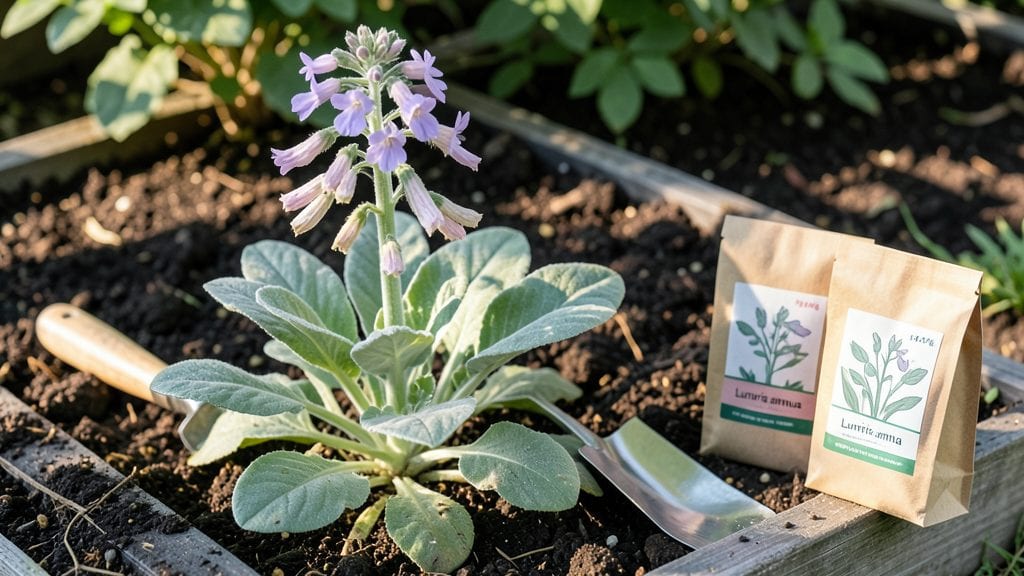
My biodynamic gardening calendar transformed my harvests after just one season—no more guesswork, just moon-aligned planting that produces bigger roots and sweeter tomatoes. 🌱 The key isn’t just following phases; it’s understanding how the moon’s pull affects water in plants, soil, and seeds differently depending on whether it’s waxing, waning, or full.
I’ll show you exactly which crops thrive when planted under which moon signs and how to time tasks like pruning or composting for maximum impact.
You don’t need a degree in astronomy—just a free lunar calendar and a notebook to track results. Start with the basics: leafy greens love the waxing moon, while root crops like carrots and potatoes respond best when planted during the waning phase.
The calendar also tells you when to avoid disturbing the soil entirely, like during root nodes or when the moon is in certain astrological signs. This isn’t just theory; my zucchini went from 6 inches to 18 inches in two weeks last summer by following these cues.
What you’ll get is a garden that works with nature instead of against it—less watering, fewer pests, and crops that taste like they were grown in a perfectly timed fairy tale.
The best part? You’ll notice the difference immediately, even if you’ve never gardened before. Let’s dive into how to read the calendar and put it to work in your own plot.
Works for any climate or space—container gardens, raised beds, or full-acre farms. The principles scale, but the payoff is always personal: that first bite of a moon-planted tomato, knowing you timed it just right. Here’s how to get started without overcomplicating it.
📚 In This Guide
- What you need
- Instructions
- Tips and common mistakes
- Wrapping up and next steps
What you need
- ● Biodynamic gardening calendar (printed or digital—look for one aligned with lunar phases and astrological influences).
- ● Notebook or journal (for tracking planting dates, moon phases, and observations).
- ● Garden plot or containers (size depends on your space—raised beds, in-ground plots, or pots work!).
- ● Organic soil (compost-rich, well-draining—aim for at least 2-3 cubic feet per plant).
- ● Compost or worm castings (for nutrient-dense soil—1-2 gallons per planting area recommended).
- ● Seeds or seedlings (choose varieties suited to your climate and lunar planting windows).
- ● Watering can or hose with a gentle spray nozzle (avoid overwatering—1-2 inches per week is ideal).
- ● Hand trowel and pruners (for planting and maintenance—sterilize tools to prevent disease).
- ● Mulch (straw, wood chips, or leaves) (preserves moisture and suppresses weeds—2-3 inches deep).
- ● Biodynamic preparations (e.g., horn manure or silica—follow guidelines carefully!).
- ● Lunar phase tracker app (for real-time alerts on planting windows).
- ● Soil pH test kit (to ensure optimal growing conditions—aim for 6.0-7.0).
- ● Compost thermometer (to monitor decomposition—ideal range: 120-160°F).
- ● Garden gloves and knee pads (for comfort during long planting sessions!).
Step-by-step instructions for creating your biodynamic gardening calendar
Here's how to align your planting with cosmic rhythms for stronger, healthier plants.
🌱 Step 1: Determine Your Planting Zones and Lunar Phases
First, identify your USDA hardiness zone—this determines your frost dates and growing season length. I check the Moon's phase and position in the zodiac for each planting task. The waxing moon (between new and full) is ideal for planting above-ground crops like tomatoes and peppers, while the waning moon (between full and new) suits root crops like carrots and potatoes.
Use a biodynamic planting calendar (available online or in gardening guides) that maps lunar phases to specific plant families. The calendar will show which days are best for sowing, transplanting, and harvesting based on the moon's gravitational pull. For example, I always plant leafy greens during the fruitful moon (when the moon is in Cancer, Scorpio, or Pisces).
🌿 Step 2: Plan Your Planting Schedule by Moon Sign
Divide your garden tasks into categories: leaf crops, root crops, flowers, and fruits. Each responds best to different lunar energies. For instance, root vegetables thrive when planted during the waning moon, while fruit-bearing plants do best during the waxing moon. I like to jot down my planting schedule in a garden journal, noting the moon's sign and phase for each task.
Start by listing your priority crops—the ones you can't live without. Assign them to the most favorable lunar periods. For example, if you're growing tomatoes, schedule them for the waxing moon in fire signs (Aries, Leo, Sagittarius). This ensures stronger stems and better fruit development. Don't forget to account for your plants' maturity dates when planning!
⏰ Step 3: Calculate Key Planting and Harvesting Windows
Use the biodynamic calendar to pinpoint the best planting, transplanting, and harvesting days in your growing season. For instance, if your last frost date is April 15, check the calendar for the next waxing moon in a fire sign after that date to plant warm-season crops. I always mark these dates on my calendar with highlighters—red for planting, green for harvesting.
Harvesting is just as critical. For example, leafy greens should be harvested during the waning moon for tender, flavorful leaves. If you miss the ideal window, don't stress—just aim for the next compatible phase. Over time, you'll notice your plants respond better when aligned with these cosmic rhythms.
🪴 Step 4: Apply Biodynamic Preparations on the Right Days
Biodynamic gardening includes special preparations like compost sprays, manure teas, and plant extracts. These should be made and applied during specific lunar phases for maximum effectiveness. For example, compost sprays are best prepared during the waning moon and applied during the waxing moon. I like to set reminders on my phone for these tasks so I don't forget.
Use a biodynamic planting calendar that includes preparation days. For instance, horn manure (500) is typically prepared during the waning moon in Taurus or Virgo and buried until the next spring planting season. Follow the calendar's guidelines closely—these preparations enhance soil life and plant vitality.
☀️ Step 5: Adjust for Your Local Climate and Microclimate
While lunar phases are key, your local climate plays a huge role. For example, if you're in a short-season zone, you might need to prioritize fast-maturing crops during the best lunar windows. I adjust my schedule based on historical weather patterns—if frost is likely early, I plant cool-season crops sooner, even if it means deviating slightly from the lunar ideal.
Observe your garden's microclimate—areas near water, hills, or buildings may have different conditions. Use these observations to fine-tune your planting schedule. For instance, if your south-facing slope warms up faster, you might plant warm-season crops there a few days earlier than the calendar suggests. Balance lunar timing with practical growing conditions for the best results.
Tips & tricks for perfect biodynamic gardening calendar
Here's what I've learned after years of aligning my garden with cosmic rhythms—these tips will help you get the most out of your biodynamic planting schedule.
Moon Phase Tracking: I can't stress this enough—mark your calendar with red for waxing moon (planting above-ground crops) and green for waning moon (root crops). Use a free app like Moon Phase Calendar to get daily alerts for optimal planting days. I also keep a small lunar phase chart on my fridge so I never miss a window.
Local Climate Overrides: While lunar phases are crucial, don't let them dictate your entire schedule if your local climate demands it. For example, if frost is predicted before your ideal planting window, prioritize fast-maturing crops over perfect lunar alignment. I've learned this the hard way—sometimes practicality wins over cosmic perfection!
Preparation Timing: When making biodynamic preparations like compost sprays or manure teas, follow the calendar precisely. For instance, horn manure (500) must be prepared during the waning moon in Taurus or Virgo—set phone reminders so you don't miss these narrow windows. I schedule these tasks months in advance to ensure I don't forget.
Garden Journaling: Keep a detailed garden journal noting which crops thrived during specific lunar phases. After a few seasons, you'll see patterns emerge—maybe your tomatoes always do better during the waxing moon in Leo. I review my journal every year before planning the next season's schedule. This personal data becomes more valuable than any generic calendar!
Pro Tips for Biodynamic Gardening Calendar
- Here's what I've learned after years of aligning my garden with cosmic rhythms—these tips will help you get the most out of your biodynamic planting schedule.
- Moon Phase Tracking: I can't stress this enough—mark your calendar with red for waxing moon (planting above-ground crops) and green for waning moon (root crops).
- Local Climate Overrides: While lunar phases are crucial, don't let them dictate your entire schedule if your local climate demands it.
Frequently asked questions
Got questions about putting the biodynamic gardening calendar to work? You’re not alone! Here are answers to the most common queries to help you dive in with confidence.
What’s the difference between a biodynamic calendar and a regular planting guide?
A regular planting guide relies on climate and soil conditions, while a biodynamic calendar factors in lunar phases, planetary positions, and cosmic rhythms to determine optimal planting, pruning, and harvesting times. Think of it like tuning your garden to the universe’s natural frequencies for stronger growth!
Can I still garden successfully without following the biodynamic calendar?
Traditional gardening works just fine, especially for beginners. However, many gardeners swear by the biodynamic approach for higher yields, healthier plants, and more resilient crops. It’s like giving your garden a cosmic boost—no pressure to follow it strictly, but it’s fun to experiment!
How do I adjust if I miss a planting window based on the lunar calendar?
No stress! If you miss a window, don’t panic—just plant as soon as possible. The biodynamic calendar is a guide, not a rule. Focus on your local climate and soil conditions. For example, leafy greens are more forgiving than root vegetables, so they’re easier to plant outside the "ideal" window.
Do I need a special calendar, or can I use a free online biodynamic tool?
You don’t need to buy anything! Many free biodynamic tools (like Biodynamic Association’s resources) provide lunar phase charts and planting recommendations. Just sync it with your local time zone, and you’re ready to go!
What if my plants don’t seem to respond to the lunar phases?
Every garden is unique—soil, weather, and even your local microclimate play a role. Start with one or two crops (like beans or lettuce) to test the calendar’s effects. Keep a journal to track growth patterns. Over time, you’ll notice trends, and adjustments will become clearer!
Wrapping up and next steps
Embracing a biodynamic gardening calendar isn’t just about following phases—it’s about harmonizing with nature’s rhythms to grow healthier, more vibrant plants. 🌱 Whether you’re a seasoned gardener or just starting, this lunar-guided approach can transform your harvests and deepen your connection to the earth.
Ready to see the magic for yourself?
Your next step? Start small—pick one lunar phase to test this season, track your progress, and watch as your garden thrives in ways you never expected! 🌙✨