
Vegetables
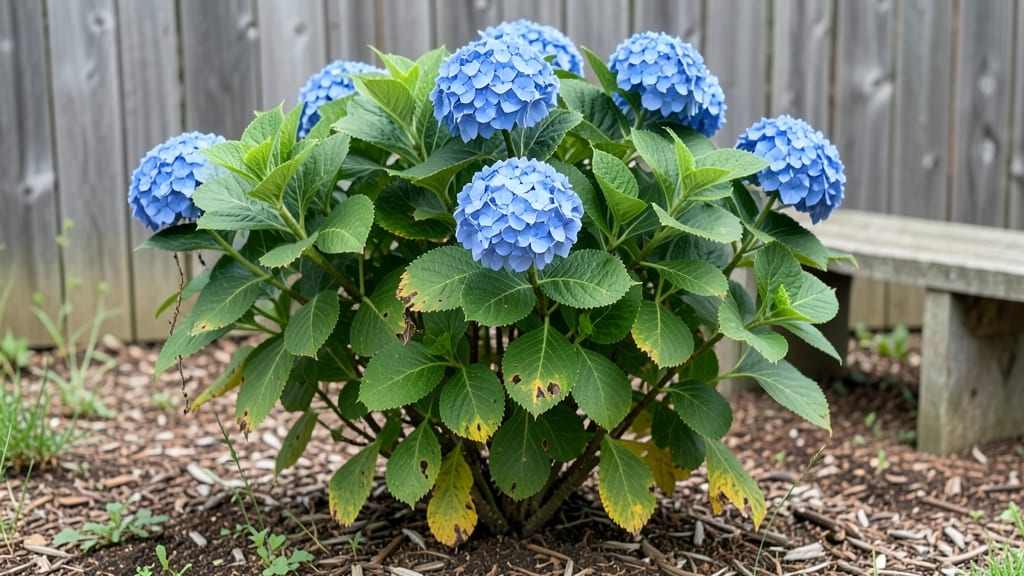
The best gardens in the USA don’t just survive—they thrive year-round with bold colors, unexpected textures, and designs that feel like stepping into another world. 🌿 I’ve wandered through gardens where purple smoke trees glow at sunset, where moss carpets the ground like velvet, and where vegetables grow alongside perennials in perfect harmony.
These spaces prove that a garden can be both stunning and functional, no matter your climate or space.
What makes these gardens truly special? It’s the mix of layered planting, seasonal interest, and smart hardscaping—like using gravel paths to reduce mud or installing rain gardens that double as wildlife havens.
Many feature edible landscapes, where kale and cosmos bloom side by side, or themed sections (like a Japanese-inspired zen corner or a prairie-style meadow) that tell a story. The best part? You can adapt these ideas to your own backyard, even in small spaces.
Imagine walking through a garden where every season feels like a fresh beginning: spring’s delicate blooms, summer’s lush foliage, fall’s fiery maples, and winter’s structured evergreens. These designs focus on low-maintenance plants that still pack a punch—think heucheras for year-round color or ornamental grasses that sway like ocean waves.
You’ll leave inspired to create a space that’s uniquely yours, whether you’re a beginner or a seasoned gardener.
From the formal symmetry of Longwood Gardens to the wild elegance of the Chicago Botanic Garden’s prairie, each spot offers a different lesson. The key? Start small—pick one feature (like a pollinator-friendly border or a vertical garden) and build from there.
Your garden could be next on the list of America’s most breathtaking outdoor spaces.
📚 In This Guide
- What you need
- Instructions
- Tips and common mistakes
- Wrapping up and next steps
What you need
- ● Soil: 10+ cubic yards of high-quality, well-draining garden soil (or compost mix for raised beds). Look for organic matter-rich blends like Miracle-Gro Garden Soil or Espoma Organic Garden Soil.
- ● Fertilizer: Slow-release organic fertilizer (e.g., Fish emulsion or composted manure) or a balanced NPK (10-10-10) for fast results.
- ● Mulch: 2–3 bags of wood chips, straw, or shredded leaves to retain moisture and suppress weeds.
- ● Seeds/Seedlings: Cold-hardy veggies (kale, spinach, carrots, broccoli) for early spring/fall.
- ● Heat-lovers (tomatoes, peppers, cucumbers) for summer.
- ● Perennials (asparagus, rhubarb) for year-round harvests.
- ● Hand Trowel (for precision planting).
- ● Garden Fork (for aerating soil).
- ● Pruners (sharp, bypass-style for clean cuts).
- ● Watering Can or Hose with adjustable nozzle (soaker hoses save water!).
- ○ Raised Bed Kits (optional but ideal for control; 4’x8’ frames work great).
- ● Row Covers (frost blankets for early/late seasons).
- ● Drip Irrigation System (automates watering—game-changer for busy gardeners!).
- ● Trellises or Cages (for vining plants like beans or cucumbers).
- ● Soil pH Test Kit (ensure your soil is veggie-friendly; aim for 6.0–7.0).
- ● Garden Journal (track plantings, weather, and harvests for future success!).
Instructions for creating year-round stunning gardens like America's top designs
Here's how to transform your outdoor space into a breathtaking retreat that rivals the nation's most celebrated gardens.
🌿 Step 1: Plan Seasonal Layers for Continuous Interest
Start by sketching your garden layout with four distinct seasonal layers. The best gardens in America use evergreens like boxwood and holly as foundational anchors that provide structure year-round. For spring color, incorporate early bloomers such as daffodils and bleeding hearts, while summer thrives with hydrangeas and coneflowers. Don't forget fall foliage plants like Japanese maples and smoke bushes, and winter interest with ornamental grasses and winterberry hollies.
I always group plants by their peak bloom seasons in distinct sections. This creates visual progression as each season transitions. For example, place spring bulbs near evergreen shrubs so they emerge against a dark green backdrop. The key is creating a garden that feels dynamic yet harmonious throughout all four seasons.
☀️ Step 2: Master Light and Shadow with Strategic Plant Placement
Observe your garden's sunlight patterns throughout the day. The best gardens use this knowledge to create dramatic light effects. Place lighter-colored plants like white hydrangeas and silver foliage plants in full sun areas to maximize their luminosity. Dark foliage plants such as black mondo grass and purple smoke bush work beautifully in shaded spots where they'll create striking contrast.
I like to create "light tunnels" by planting tall, upright plants like cornus stolonifera along pathways. These create natural frames that draw the eye through the garden while casting interesting shadows. The play between light and shadow is what makes these gardens feel alive and ever-changing throughout the day.
💧 Step 3: Implement Smart Water Management Systems
Install a drip irrigation system that delivers water directly to plant roots. The top gardens use soaker hoses and micro-sprayers to create efficient, beautiful water features that also serve a functional purpose. Group plants with similar water needs together to simplify maintenance. For example, place drought-tolerant lavender and Russian sage together in one zone, while moisture-loving hostas and ferns get their own section.
I always incorporate rain gardens as natural water features. These low-lying areas collect runoff and support native plants that thrive in moist conditions. They not only manage water beautifully but also create stunning focal points in the landscape. The best gardens blend functionality with aesthetics seamlessly.
✂️ Step 4: Incorporate Artistic Hardscaping Elements
Use natural stone pathways, wooden arbors, and decorative pots to create visual interest and structure. The most celebrated gardens incorporate materials that complement the surrounding environment. For example, a stone pathway made from local fieldstone will blend beautifully with a naturalistic garden setting. I always include at least one statement piece like a sculptural tree form or ornamental fountain to serve as a focal point.
Don't underestimate the power of texture in hardscaping. A rough-hewn stone wall provides completely different visual interest than a smooth concrete patio. Mix materials to create depth and contrast. The best gardens use hardscaping not just as functional elements but as integral parts of the artistic composition.
🪴 Step 5: Create Seasonal Maintenance Calendar
Develop a maintenance schedule that includes seasonal tasks like pruning, mulching, and fertilizing at optimal times. The top gardens maintain their beauty through careful, timed interventions. For example, prune spring-flowering shrubs immediately after they bloom to encourage next year's flowers. I always schedule a deep mulching session in early spring to protect roots and suppress weeds.
Create a "less is more" approach to maintenance. The most stunning gardens often have the simplest care routines. Focus on quality over quantity - it's better to have a few perfectly maintained plants than an overcrowded mess. Regularly remove spent blooms, divide overcrowded perennials every 3-4 years, and replace tired plants with fresh new ones to keep your garden looking its best throughout the seasons.
Tips & tricks for creating year-round stunning gardens
Transforming your outdoor space into a breathtaking retreat starts with these game-changing secrets from America's top garden designers.
Seasonal Layering Secret: In Step 1, when planning your four seasonal layers, I can't emphasize enough how critical it is to create visual transitions between seasons. For instance, plant winterberry hollies near your spring bulbs—they'll provide evergreen structure while the daffodils emerge. The best gardens use this technique to create a seamless seasonal progression that keeps your space vibrant year-round. Think of it as creating a living calendar where each season naturally flows into the next.
Light and Shadow Game-Changer: When implementing Step 2's light and shadow strategy, don't just place plants randomly—create intentional focal points. I've found that positioning white hydrangeas near dark foliage plants like black mondo grass creates dramatic contrast that draws the eye. For extra impact, plant cornus stolonifera along pathways to create those magical "light tunnels" that make gardens feel alive. The play between light and shadow is what transforms a good garden into a showstopper.
Water Management Pro Tip: In Step 3, when installing your drip irrigation system, I recommend creating separate zones for drought-tolerant plants like lavender and moisture-loving varieties like hostas. This not only saves water but creates stunning visual separation. Pro tip: Add a small rain garden in your lowest spot—it'll collect runoff beautifully while supporting native plants that thrive in moist conditions, creating a natural water feature that doubles as a focal point.
Maintenance Calendar Hack: For Step 5's seasonal maintenance, I've developed a simple color-coding system for my calendar: red for pruning, blue for mulching, and green for fertilizing. This visual system helps me stay on top of tasks without feeling overwhelmed. Remember, the most stunning gardens often have the simplest care routines—focus on quality over quantity, and don't be afraid to replace tired plants every 3-4 years to maintain that fresh, vibrant look.
Pro Tips for Best Gardens In Usa
- Transforming your outdoor space into a breathtaking retreat starts with these game-changing secrets from America's top garden designers.
- Seasonal Layering Secret: In Step 1, when planning your four seasonal layers, I can't emphasize enough how critical it is to create visual transitions between seasons.
- Light and Shadow Game-Changer: When implementing Step 2's light and shadow strategy, don't just place plants randomly—create intentional focal points.
Frequently asked questions
Visiting or designing the best gardens in the USA is exciting, but planning ahead ensures a seamless experience. Here are answers to common questions to help you make the most of your garden journey!
What’s the best time of year to visit America’s top gardens?
The ideal time depends on the garden! Most bloom spectacularly in spring (March–May) and fall (September–November), while winter gardens (like those in California or Florida) offer year-round charm. Check each garden’s website for seasonal highlights—some host special events like holiday light displays!
Are tickets expensive for these top-tier gardens?
Costs vary widely. Many public gardens (e.g., Longwood Gardens or Keukenhof) charge $20–$40 per adult, while botanical gardens like _NYBG_ offer discounts for seniors, students, and members. Look for combo tickets or memberships if visiting multiple gardens—savings add up!
Are these gardens family-friendly, or are they more for couples?
Most best gardens in the USA welcome families! Many feature children’s gardens, interactive exhibits, and self-guided trails. For example, Chicago Botanic Garden has a Family Garden with play areas, while Denver Botanic Gardens offers scavenger hunts. Call ahead to confirm accessibility and kid-friendly activities.
Can I grow some of these garden plants at home?
Many iconic plants—like roses, lavender, or native wildflowers—thrive in home gardens. Start with low-maintenance varieties (e.g., drought-resistant succulents or perennial herbs) and mimic the garden’s climate. Ask staff for plant tags or seed packets at nurseries on-site—they’re often sold at the exit!
How do I get around if I’m visiting multiple gardens in one trip?
Location matters! Gardens in the same region (e.g., Pacific Northwest or Mid-Atlantic) can be paired for road trips. Rent a car for flexibility, or use rideshares for closer spots. Pro tip: Book tickets online in advance—some gardens offer multi-day passes or partner with nearby attractions (like zoos or wineries).
Are photography rules strict in these gardens?
Most gardens allow photography for personal use, but commercial shoots require permits. Drones? Rarely allowed—check signs or websites. Longwood Gardens and _NYBG_ have designated photo spots, while others (like Butchart Gardens) restrict flash to protect plants. Always carry a portable tripod for steady shots!
Wrapping up and next steps
From lush botanical wonders to charming cottage-style retreats, the best gardens in the USA prove that nature’s beauty is endless—no matter the season! 🌿 Whether you’re inspired by Longwood Gardens’ grand cascades or the serene simplicity of Kentucky’s native landscapes, these spaces remind us that thoughtful design and local adaptation create magic.
Ready to bring that magic to your own backyard?
Start small: pick one garden from this list as your muse, sketch a layout, and gather a few key plants or materials. Even a single raised bed or a vibrant window box can be your first step toward year-round beauty! 🌱