
Vegetables
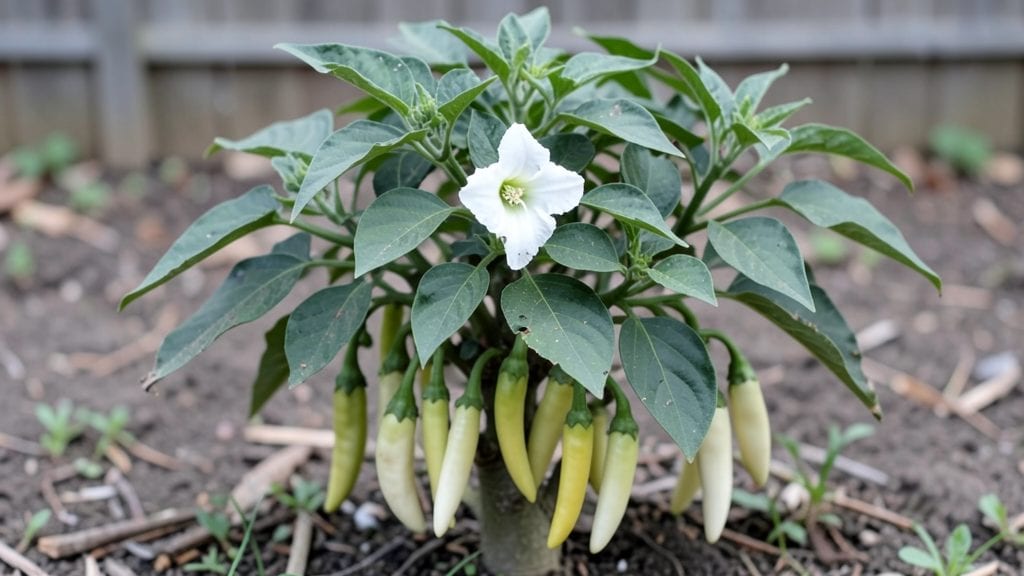
Growing banana peppers in your garden delivers a spicy harvest that’s surprisingly easy—whether you’ve got a sunny windowsill or a full raised bed. 🌱 I’ve grown them for years, and the secret isn’t just the heat but how versatile they are: fresh in salads, pickled in jars, or dried for winter cooking.
The first time I tasted homegrown banana peppers still warm from the plant, I knew I’d never buy them again.
These peppers thrive in containers or raised beds, making them perfect for small spaces or urban gardens. They love warm weather—plant after your last frost when soil temps hit 60°F—and do best in well-draining soil with a touch of compost.
Start seeds indoors 8-10 weeks before transplanting, or grab sturdy transplants from a nursery. The key? Consistent watering (keep soil moist but not soggy) and a balanced fertilizer every 4-6 weeks once fruits appear.
By midsummer, you’ll be snipping bright yellow-green peppers that pack a mild kick (2,500-5,000 SHU). The plants stay productive for months, and the more you pick, the more they produce.
Even if pests like aphids or spider mites show up, a strong spray of water or neem oil usually sends them packing. The real reward? A harvest that tastes fresh, crisp, and full of flavor—nothing like store-bought.
Works in zones 7-11, but even cooler climates can grow them in containers that move indoors before frost. Here’s how to keep them thriving all season long—no green thumb required.
📚 In This Guide
- What you need
- Instructions
- Tips and common mistakes
- Wrapping up and next steps
What you need
- ● Banana pepper plants: 6–10 seedlings or seeds (start indoors 8–10 weeks before last frost or buy transplants).
- ● Growing containers or raised beds: Containers: 5-gallon pots or larger (at least 12" deep) with drainage holes.
- ● Raised beds: Minimum 12" deep, with well-draining soil.
- ● Potting mix: High-quality, well-draining soil blend (avoid heavy clay).
- ● Fertilizer: Balanced organic fertilizer (10-10-10) or compost.
- ● Mulch: Straw or shredded leaves (to retain moisture).
- ● Stakes or cages: 3–4 ft tall (for support as peppers grow).
- ● Watering can or hose with nozzle: For gentle watering.
- ● Grow lights (if starting seeds indoors).
- ● Epsom salt (for magnesium boost, 1 tbsp per plant monthly).
- ● Pest control: Neem oil or insect netting (for aphids/spider mites).
- ● pH test kit (ideal soil pH: 6.0–6.8).
- ● Pruning shears (for shaping plants).
Step-by-Step instructions for growing banana peppers in containers
Here's how to cultivate a thriving banana pepper garden using containers—ideal for small spaces or urban balconies.
🌱 Step 1: Prepare Containers and Soil Mix
Start with 5-gallon containers or larger—banana peppers need room to sprawl. Ensure each has drainage holes to prevent root rot, which these peppers are particularly sensitive to. I like to add a 2-inch layer of gravel at the bottom for extra drainage before filling with a sterile potting mix enriched with compost. Mix in 1 cup of balanced fertilizer (10-10-10) per container to kickstart growth.
Banana peppers thrive in well-draining, slightly acidic soil (pH 6.0-6.8). If your mix feels dense, amend it with 1 part perlite to improve aeration. Press the soil down lightly after filling—this creates a stable base for transplanting seedlings without disturbing roots.
🌱 Step 2: Plant Transplants at the Right Depth
Place 1-2 banana pepper transplants per container, spacing them 12-18 inches apart to allow airflow and prevent disease. Dig a hole twice as wide as the root ball but only as deep as the container’s original soil line—burying the stem too deep can cause rot. Gently loosen the roots if they’re circling tightly in the nursery pot.
Fill the hole with soil, pressing firmly around the base to eliminate air pockets. Water deeply until moisture reaches 2 inches down, but avoid soaking the soil—banana peppers hate soggy conditions. You’ll know it’s right when water drains freely from the bottom holes within 10-15 minutes.
☀️ Step 3: Position for Maximum Sunlight
Banana peppers demand full sun (6-8 hours daily) to produce sweet, plump fruits. Place containers in a south-facing spot or under grow lights if natural light is limited. I’ve found that morning sun with afternoon shade in hot climates prevents fruit from scorching while still encouraging growth.
Rotate containers quarter-turn weekly so plants grow evenly—you’ll notice stems leaning toward the light if they’re not getting balanced exposure. If leaves start yellowing between veins, it’s a sign of iron deficiency, often caused by overwatering or poor drainage. Adjust watering immediately and add a chelated iron supplement if needed.
💧 Step 4: Water and Fertilize for Consistent Harvests
Water when the top 1-2 inches of soil feel dry, typically every 2-3 days in warm weather. Use a drip irrigation system or water at the base to avoid wetting leaves, which reduces fungal risks like early blight. Mulch with 1-2 inches of straw to retain moisture and keep roots cool—this is especially critical in containers, where soil dries out faster.
Feed plants every 4-6 weeks with a liquid fertilizer (5-5-5) diluted to half-strength. You’ll see new growth within 7-10 days after fertilizing, and flowers will form more vigorously. Stop fertilizing 4-6 weeks before harvest to allow peppers to sweeten naturally.
✂️ Step 5: Prune and Harvest for Ongoing Production
Pinch off the first few flowers that appear to encourage bushier growth. Once plants establish, prune yellow or diseased leaves immediately to redirect energy to fruiting. I also trim back overly leggy stems to maintain a compact shape—this prevents peppers from becoming bitter or small.
Harvest green banana peppers when they reach 3-4 inches long for the classic sweet-and-spicy flavor. For red or yellow varieties, wait until they fully ripen on the plant. Use clean pruners to snip stems, leaving ¼ inch of stem attached to encourage more blooms. You’ll get continuous harvests if you keep plants pruned and fertilized through the season.
Tips & tricks for perfect banana pepper container gardens
Growing banana peppers in containers is all about avoiding common pitfalls—here's what I've learned after years of trial and error to ensure your plants thrive and produce sweet, spicy harvests.
Drainage is Non-Negotiable: In Step 1, that 2-inch gravel layer isn't just optional—it's crucial for preventing root rot, which banana peppers are especially vulnerable to. I've lost entire plants because I skipped this step in my first attempt. After planting, give your containers a thorough watering test: within 10-15 minutes, water should drain completely from the bottom holes. If it pools, your drainage system needs adjustment.
Soil Science Matters: The slightly acidic pH range (6.0-6.8) specified in Step 1 is perfect for banana peppers, but don't assume your store-bought mix meets this. Test your soil before planting, and if needed, amend with sulfur to lower pH or lime to raise it. I've found that adding perlite (1 part to 3 parts soil) creates the ideal airy texture these plants crave—think of it as giving their roots room to breathe.
Light Strategy for Maximum Yield: When positioning your containers in Step 3, remember that banana peppers demand 6-8 hours of direct sunlight daily. If you're in a hot climate, my trick is to use a simple shade cloth during peak afternoon hours (2-4 PM) to prevent scorching while still getting those crucial morning sun rays. You'll notice the difference in fruit quality—peppers exposed to too much midday sun often develop bitter notes.
Pruning for Productivity: The pruning instructions in Step 5 are where many gardeners go wrong. Don't just remove diseased leaves—actively shape your plants by pinching back leggy stems to encourage bushier growth. I make it a habit to prune right after watering when the stems are pliable. This redirects energy to fruit production rather than vertical growth, resulting in more peppers per plant and a more compact, manageable shape.
Pro Tips for Banana Peppers Garden
- Growing banana peppers in containers is all about avoiding common pitfalls—here's what I've learned after years of trial and error to ensure your plants thrive and produce sweet, spicy harvests.
- Drainage is Non-Negotiable: In Step 1, that 2-inch gravel layer isn't just optional—it's crucial for preventing root rot, which banana peppers are especially vulnerable to.
- Soil Science Matters: The slightly acidic pH range (6.0-6.8) specified in Step 1 is perfect for banana peppers, but don't assume your store-bought mix meets this.
Frequently asked questions
Got questions about growing banana peppers in your garden? You’re not alone!
Here are some of the most common concerns—and their easy solutions—to help you cultivate a thriving harvest.
How long does it take for banana peppers to grow from seed?
Banana peppers typically take 70–90 days to mature from seed, depending on your climate and variety. Start seeds indoors 8–10 weeks before the last frost for a head start, or sow directly in warm soil (after all frost risk has passed). Patience pays off—you’ll see those iconic yellow-orange peppers forming in no time!
When is the best time to harvest banana peppers?
Harvest banana peppers when they’re 3–4 inches long and still firm for the best flavor and texture. Wait too long, and they’ll turn red and get bitter. Use pruning shears or pinch them off gently to avoid damaging the plant. Pro tip: Harvest frequently to encourage more production!
Why are my banana pepper plants wilting or turning yellow?
Wilting or yellowing leaves often signal overwatering, underwatering, or nutrient deficiencies. Check the soil—it should stay consistently moist but not soggy. Yellow lower leaves may mean nitrogen deficiency (try a balanced fertilizer). Pro tip: Ensure good drainage in containers or raised beds to prevent root rot.
Can I grow banana peppers in containers, or do they need a full garden bed?
Banana peppers thrive in 5-gallon containers or larger with at least 6–8 hours of sunlight daily. Just use well-draining potting mix and fertilize regularly. Raised beds work too—just ensure they’re at least 12 inches deep for healthy root growth. Container gardening is perfect for small spaces!
How do I prevent banana peppers from turning red too quickly?
Banana peppers turn red as they mature, but you can slow the process by harvesting early (when yellow-green) and avoiding stress like overcrowding or inconsistent watering. Pro tip: Prune suckers (side shoots) to direct energy toward fruit production. Store harvested peppers in the fridge to preserve their color and freshness.
Wrapping up and next steps
Growing banana peppers in your garden—whether in containers or raised beds—is a rewarding way to add heat, flavor, and a splash of sunshine to your meals! 🌱 With the right soil, sunlight, and care, you’ll enjoy a bountiful harvest of crisp, golden peppers packed with versatility.
Whether you’re a seasoned gardener or just starting, these spicy little gems are perfect for adding a kick to your kitchen.
Ready to take the next step? Plant your seeds or seedlings today and watch your garden transform into a spicy paradise. Don’t forget to share your progress with fellow gardeners—every harvest is a celebration! 🎉