
Fertilization
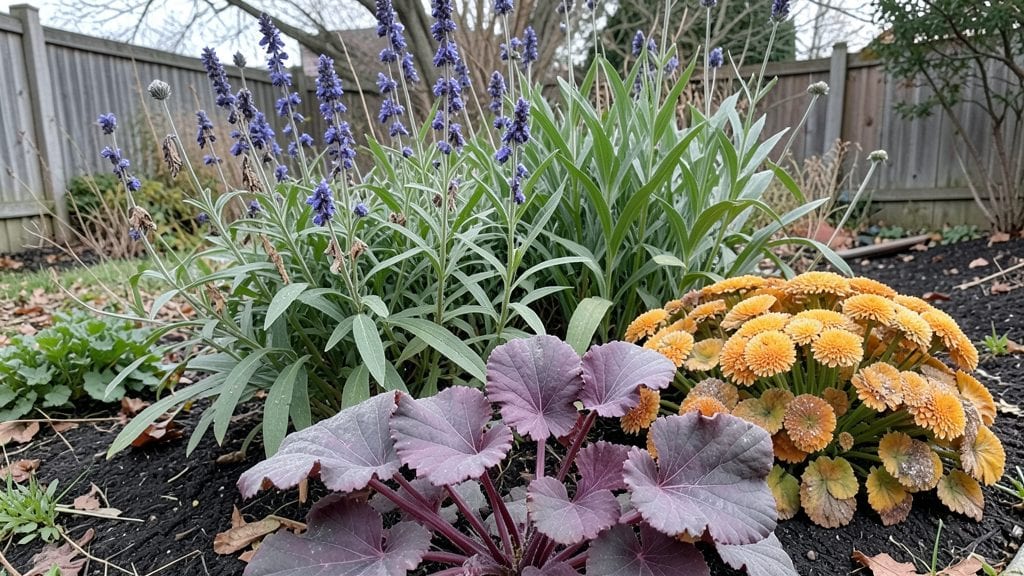
Autumn fertilizer for gardens strengthens root growth, replenishes soil nutrients, and prepares plants for winter dormancy. Use slow-release organic options like compost, bone meal, or balanced 10-10-10 blends 4-6 weeks before frost, avoiding nitrogen-heavy fertilizers late in the season.
Fall is the perfect time to give your garden a nutrient boost before cold weather sets in. 🌿 The right autumn fertilizer helps roots harden for winter while replenishing essential minerals like phosphorus and potassium.
Unlike spring feeding, which focuses on leafy growth, autumn fertilization targets long-term soil health and plant resilience. I always opt for organic matter like compost or well-rotted manure—these break down slowly, feeding plants steadily through the dormant season.
Timing matters just as much as the product. Applying fertilizer too early can stimulate late-season growth that won't survive frost, while waiting too long leaves plants vulnerable. For most gardens, late summer to early fall (about 6-8 weeks before first frost) is ideal.
This gives nutrients time to work into the soil without encouraging tender new shoots.
💡 In This Article
- How Autumn Fertilizer Boosts Soil and Plant Health
- Best Autumn Fertilizers for Different Garden Types
How autumn fertilizer boosts soil and plant health
Autumn fertilization works its magic primarily through the soil's natural microbial activity. When temperatures drop, soil bacteria and fungi slow down, but they don't stop completely.
This creates the perfect environment for slow-release fertilizers to do their job—organic matter like compost or bone meal breaks down gradually, releasing nutrients over 3-6 months. The key is phosphorus (P) and potassium (K), which help plants develop stronger root systems and store carbohydrates for winter survival.
Unlike nitrogen (N), which promotes leafy growth, these nutrients focus on structural development—critical for plants facing freezing temperatures.
The science gets even more interesting when you consider mycorrhizal fungi, which thrive in cooler autumn soils. These beneficial fungi form symbiotic relationships with plant roots, extending their reach by up to 10 times their normal size.
This network helps plants absorb water and nutrients more efficiently, especially during dry spells. When you add phosphorus-rich fertilizers like bone meal, you're essentially feeding both the plants and their fungal partners, creating a more resilient root system.
Think of it like building a plant's immune system for winter—stronger roots mean better frost resistance and faster spring recovery.
Organic fertilizers like compost or fish emulsion also improve soil structure by adding organic matter that holds moisture and aerates compacted clay soils. The breakdown process releases humic acids, which help chelate (bind) essential minerals like iron and zinc, making them more plant-available.
Synthetic fertilizers, on the other hand, provide immediate but short-term nutrient spikes. While they can be useful in specific cases, they often lack the long-term soil conditioning benefits of organic options.
For example, a 10-10-10 NPK blend might give plants a quick boost, but compost will continue nourishing the soil for years.
Here's what happens when you get the ratios right: A 5-10-10 or 10-10-20 blend (higher in P and K) promotes root thickening and flowering, while a low-nitrogen formula prevents tender new growth that would freeze.
The phosphorus helps plants store energy reserves in their roots, while potassium regulates water uptake and cell membrane stability—both critical for surviving freeze-thaw cycles. This is why autumn fertilization often leads to more vigorous plants the following spring, even in challenging climates.
One common misconception is that autumn fertilization is just about adding nutrients—it's also about improving soil biology. The cooler temperatures and increased organic matter create ideal conditions for beneficial microbes to flourish. These microbes, in turn, help break down organic material and make nutrients more accessible to plants.
For instance, adding 1-2 inches of compost to garden beds not only feeds plants but also enhances soil porosity, allowing roots to breathe better during winter. The result? Healthier soil that supports stronger, more resilient plants year after year.
What most gardeners don't realize is how autumn fertilization sets the stage for next year's growth. By replenishing nutrients and improving soil structure now, you're essentially giving your plants a head start.
The roots that develop during autumn will be better equipped to absorb water and nutrients in spring, leading to more robust foliage and higher yields. It's like giving your garden a winter vacation package—better preparation means better results when the growing season returns. 🌱