
Pests and Diseases
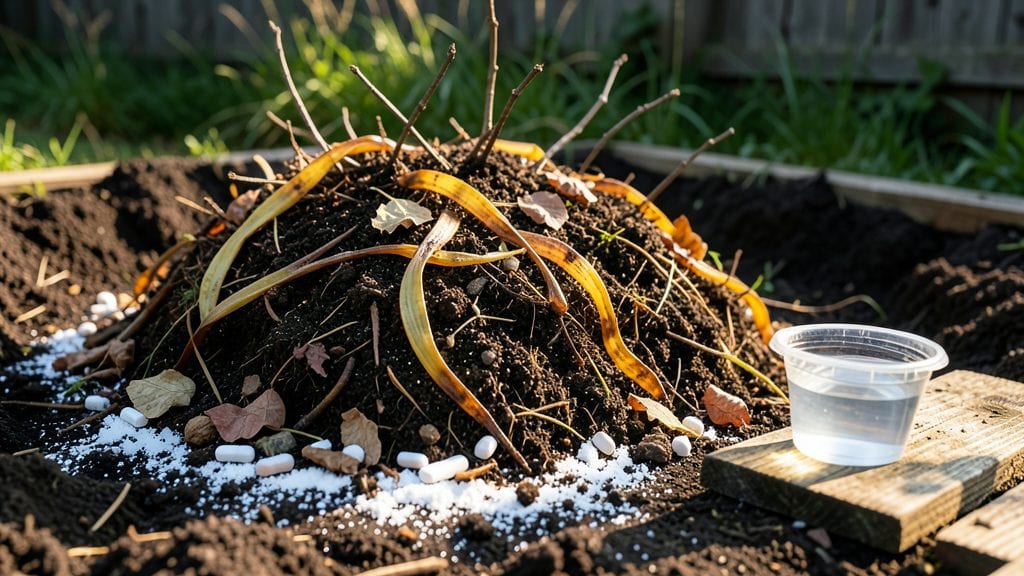
Using aspirin for garden pests creates an effective homemade spray by dissolving 1 crushed tablet per gallon of water, acting as both a fungicide and insect deterrent. Apply to foliage in the evening to protect beneficial insects and prevent leaf burn, then repeat every 7-10 days for stubborn problems like powdery mildew or aphids.
Aspirin's active ingredient, salicylic acid, mimics a natural plant hormone that triggers defense mechanisms against pathogens. When sprayed on leaves, it strengthens cell walls and disrupts fungal spores while repelling soft-bodied pests like aphids. The evening application timing is crucial—it allows the solution to absorb without evaporating too quickly in daytime heat, plus it minimizes exposure to bees and other pollinators. 🌱 For best results, I always mix the aspirin solution with a few drops of dish soap to help it stick to leaves better, creating a protective barrier against reinfection.
This approach works particularly well for organic gardeners who want to avoid synthetic chemicals. The mild acidity in aspirin creates an inhospitable environment for fungal spores while being gentle enough for most plant types.
Just remember to test on a small leaf area first—some sensitive plants like ferns may react poorly to the solution. For particularly stubborn infestations, combining aspirin with neem oil can create a powerful two-pronged defense system.
💡 In This Article
- How Aspirin Works as a Natural Garden Pest Solution
- Best Aspirin Spray Recipes for Garden Problems
How aspirin works as a natural garden pest solution
The real magic happens at the molecular level with salicylic acid—the active ingredient in aspirin. This compound acts as a signaling molecule in plants, triggering what scientists call systemic acquired resistance (SAR).
When sprayed on leaves, salicylic acid mimics a plant's natural defense hormone, prompting cells to produce protective proteins and strengthen their walls. 🌱 This creates a barrier that fungal spores struggle to penetrate, effectively starving pathogens like powdery mildew.
For insect control, the mild acidity disrupts the waxy protective layers of soft-bodied pests like aphids and mites. The solution creates an inhospitable environment that forces these insects to relocate rather than die outright—a gentler approach than chemical pesticides.
Studies show that salicylic acid concentrations found in diluted aspirin solutions (typically 0.01-0.02%) are strong enough to deter pests but weak enough to avoid phytotoxicity in most plants.
The evening application timing is critical because daytime heat causes rapid evaporation, reducing the solution's effectiveness by up to 40%. Applying after sunset allows the spray to linger longer on foliage, giving salicylic acid time to penetrate plant tissues.
This timing also protects pollinators—bees and butterflies are less active during cooler evening hours, minimizing accidental exposure to the solution.
What most gardeners don't realize is that aspirin's effectiveness varies by pest type. For fungal diseases, the salicylic acid triggers a preventive defense response that can last up to 7 days after application. However, against chewing insects like caterpillars, the solution works primarily as a deterrent rather than a killer.
This is why combining aspirin with physical barriers (like row covers) often yields better results for mixed pest problems.
The dilution ratio matters too—using 1 crushed tablet per gallon provides optimal salicylic acid concentration without risking plant damage. Too much can cause leaf burn, while too little may fail to trigger sufficient defense responses.
For severe fungal infections, some gardeners double the dosage (2 tablets per gallon), but this should only be done occasionally and always tested on a small leaf area first.
Here's what's actually happening chemically: The aspirin breaks down in water to release salicylic acid and acetic acid. While acetic acid contributes to the mild fungicidal properties, it's the salicylic acid that initiates the plant's internal defense pathways.
This two-part action makes aspirin spray particularly effective against early-stage fungal infections before visible symptoms appear. 💫