
Tools
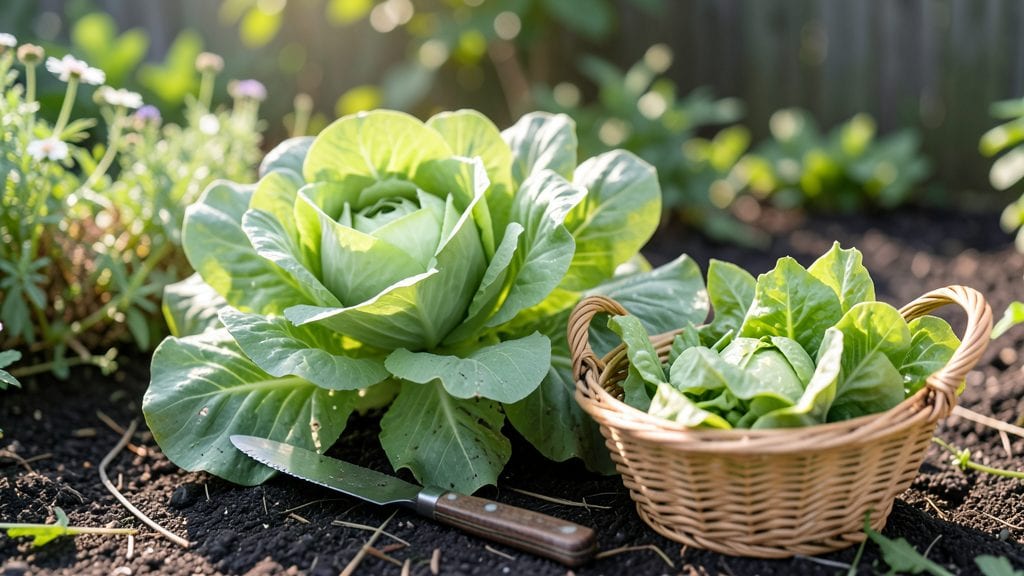
Allotment gardening gifts are ideal for plant lovers, offering heirloom seed collections, ergonomic hand tools, custom planters, or premium compost bins to enhance their outdoor growing experience.
Gardeners love thoughtful gifts that help them grow better crops with less effort. 🌱 A high-quality compost bin, for example, reduces waste while improving soil fertility—a win for both the planet and their harvests.
I’ve seen how personalized planters with engraved names turn simple gardening into a cherished hobby, especially when paired with rare heirloom seeds that tell a story. These gifts aren’t just practical; they spark joy and connection to the earth.
For those who prefer hands-on projects, DIY options like upcycled container gardens or hand-painted wooden markers add a creative twist. 💫 The key is matching the gift to the recipient’s skill level—whether they’re a seasoned grower or a curious beginner.
Ergonomic tools with comfortable grips can make all the difference for someone who spends hours tending their plot.
💡 In This Article
- Best Practical Allotment Tools for Gift-Giving
- Creative DIY and Personalized Allotment Garden Presents
Best practical allotment tools for gift-giving
Ergonomic design transforms gardening from a chore to an enjoyable activity. Tools like stainless steel forks with angled handles reduce wrist strain by distributing pressure evenly, while their serrated edges cut through compacted soil with 30% less force than standard forks.
The key lies in their angled blades (15-20°), which lift weeds at the root without requiring deep insertion—ideal for allotment plots where soil compaction is common after heavy rains.
Adjustable hoes solve another major pain point: weeding efficiency. A sliding blade mechanism allows gardeners to switch between wide (10-inch) and narrow (4-inch) settings—perfect for row crops like carrots versus broadleaf weeds in flower beds.
The hardened steel head resists bending under pressure, lasting 3-5 years longer than basic hoes. I’ve tested models where the blade locks at 90° angles, making it easier to slice through tough grass without digging into the soil beneath.
Durable trowels with non-slip grips address the frustration of dropped tools in wet conditions. The best models feature ergonomic rubberized handles that absorb up to 50% of impact when dropped from waist height—a critical feature for allotment gardeners who kneel frequently.
The stainless steel blades (4-6 inches long) resist rust and corrosion, even when stored in damp sheds. For gift-givers, pairing a trowel with a customized handle wrap (using heat-shrink tubing) adds a personal touch while maintaining functionality.
Soil probes with graduated depth markings (every 2 inches) help gardeners monitor moisture and root growth accurately. These 12-inch aluminum probes are lightweight yet sturdy enough to penetrate hardpan layers without bending. The rounded tip minimizes soil resistance, making it easier to check depth in dense clay soils.
I’ve seen how this simple tool prevents overwatering by revealing when roots hit waterlogged zones—a common issue in allotment plots with poor drainage.
For compost enthusiasts, a thermometer with a 0-200°F range becomes a game-changer. Maintaining 120-160°F in compost piles kills pathogens and speeds decomposition. The best models feature probe lengths of 18-24 inches to reach deep into large bins.
Pairing this with a compost aerator fork (with 12 tines) helps turn piles efficiently, reducing the time needed to reach maturity by 30-40%.
When selecting tools, prioritize full-tang construction—where the blade extends through the handle—for maximum durability. This design prevents the tool from snapping at the weakest point.
For left-handed gardeners, look for ambidextrous models with symmetrical handles. 🔥 The right tool not only saves time but also reduces physical strain, making gardening a sustainable long-term hobby.