
Tools
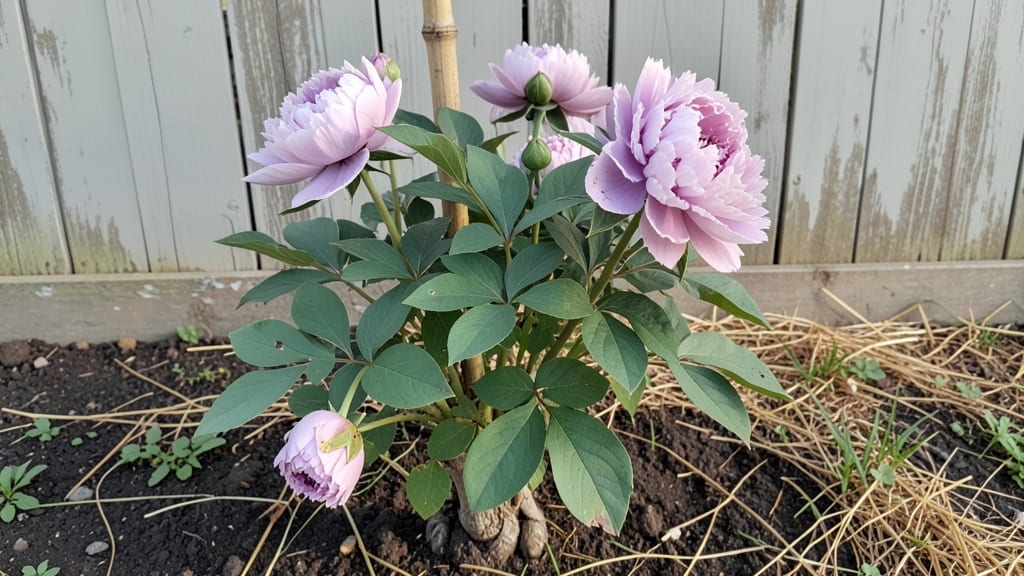
Creating a peony garden transforms your yard into a living love letter to spring. 🌸 These velvety blooms come back bigger and bolder every year, turning a simple corner into a romantic centerpiece that neighbors will envy.
I’ve designed mine around a rustic arbor, where the fragrance lingers long after the blooms fade—proof that beauty isn’t just seasonal.
The key starts with sunlight: peonies demand 6+ hours of morning sun, but they’ll tolerate afternoon shade in hotter climates. Pair them with lavender, catmint, or daylilies for a fragrant, low-maintenance border that thrives alongside their lush foliage.
My garden’s star is a pink-and-white mix, but single colors (deep red, blush coral) create dramatic focal points when massed together.
By late June, your garden will be alive with bowl-sized blooms that attract hummingbirds and bees. The secret to their longevity? Deadheading spent blooms keeps them flowering for weeks, while cutting back foliage in fall prevents disease.
Even in winter, the gnarled stems add texture—like a painter’s brushstrokes waiting for spring’s masterpiece.
Whether you’re framing a path, softening a fence line, or filling containers, peonies adapt to any design. Start small with 3-5 plants—they multiply over time, and their reliability makes them the ultimate “plant once, enjoy forever” investment. Let’s make your garden unforgettable, one bloom at a time.
📚 In This Guide
- What you need
- Instructions
- Tips and common mistakes
- Wrapping up and next steps
What you need
- ● Peony plants: 5–10 bare-root or potted peonies (choose varieties like Paeonia lactiflora or Paeonia officinalis for reliability).
- ● High-quality garden soil: 1–2 cubic yards (mix with compost for better drainage).
- ● Organic compost: 1–2 bags (to enrich soil and support root growth).
- ● Mulch: 2–3 bags of wood chips or straw (to retain moisture and suppress weeds).
- ● Slow-release fertilizer: 10–20 lbs (balanced 10-10-10 or peony-specific formula).
- ● Garden shovel or spade: 1 (for digging planting holes).
- ● Garden fork: 1 (to loosen soil before planting).
- ● Pruning shears: 1 (for trimming dead foliage in fall/winter).
- ● Garden hose or watering can: 1 (for consistent hydration).
- ● Measuring tape or ruler: 1 (to space plants 3–4 feet apart).
- ● Gloves & knee pads: 1 pair each (for comfort and protection).
- ● Stakes or trellis: 5–10 (to support tall peony varieties).
- ● Drip irrigation system: 1 (for automated watering).
- ● Peony-specific fungicide: 1 bottle (to prevent gray mold).
- ● Decorative stones or edging: 1 bag (to define garden borders).
- ● Sun hat & sunscreen: 1 each (for sunny planting days!).
Step-by-Step instructions for planting a thriving peony garden
Peonies reward patience with decades of drama—here’s how to set them up for legendary blooms.
🌱 Step 1: Choose the Perfect Planting Site
Peonies demand full sun—at least 6-8 hours daily—but they also hate soggy roots. Pick a spot with well-draining soil and morning sun exposure to prevent afternoon wilting. I always test drainage by digging a 12-inch hole, filling it with water, and waiting for it to drain completely within 2 hours. If water pools, amend the soil with 2-3 inches of compost or sand before planting.
Peonies thrive in USDA zones 3-8, but they despise heatwaves above 85°F, which can scorch blooms. If your summers run hot, plant them where afternoon shade from a tree or fence filters through. The ideal location balances sun, shelter, and airflow—this prevents fungal diseases like botrytis, which turns petals mushy.
🪴 Step 2: Plant Bare-Root Peony Crowns at the Right Depth
Peonies ship bare-root, so plant them immediately upon arrival—don’t let the crowns dry out. Dig a hole 2 inches deeper than the crown’s eye (the swollen bud at the base of the stems) and 3 feet apart for mature plants. The crown should sit 1-2 inches below soil level—any deeper and blooms won’t emerge; too shallow and roots bake in summer.
Loosen the roots gently (they’ll look gnarled) and spread them outward in the hole. Fill with native soil mixed with 1 cup of bone meal (for phosphorus) and 1 gallon of water. Tap the soil lightly to eliminate air pockets. Here’s the thing—peonies hate disturbance, so never move an established plant once it’s settled.
☀️ Step 3: Mulch and Water for Establishment
Spread 3 inches of mulch (wood chips or straw) around the base, keeping it 6 inches away from the crown to prevent rot. Mulch conserves moisture and regulates soil temperature—critical in peonies’ first 2-3 years while roots establish. Water deeply once a week (about 1 gallon per plant) during the growing season, ensuring the soil stays evenly moist but not soggy.
You’ll know you’re doing it right when new shoots appear in early spring—thick, green, and sturdy. Avoid overhead watering once buds form; wet foliage invites powdery mildew. I use a soaker hose to deliver water at the base, which keeps petals dry and blooms pristine.
✂️ Step 4: Prune and Support for Long-Term Health
Wait until late fall (after leaves yellow) to prune. Cut back stems to 1 inch above the soil with clean, sharp shears—never leave stubs, which rot over winter. In spring, remove dead or crossing stems as buds swell, but never prune before blooms open. Peonies are self-supporting, but heavy blooms may need stakes in windy areas.
Real talk: Peonies bloom on old wood, so never prune in summer—you’ll sacrifice next year’s flowers. If you see black spots on stems, it’s likely botrytis. Remove infected stems immediately and space plants wider (4 feet apart) to improve airflow. Healthy peonies multiply over time—divide clumps every 5-7 years in early fall for fresh plants.
Tips & tricks for perfect peony planting
Here's what I wish I'd known before planting my first peony garden—these small details make all the difference between pretty flowers and legendary blooms.
Sunlight Strategy: The 6-8 hours of daily sun in Step 1 should be direct sunlight, not filtered light. I learned this the hard way when my peonies produced fewer blooms in a spot that got only 5 hours of direct sun. If your yard has limited full sun, consider planting peonies near a south-facing wall or fence that reflects sunlight. Also, avoid planting under trees—even deciduous ones—since their roots will compete aggressively for nutrients and water.
Drainage Test: That 2-hour drainage test in Step 1 is non-negotiable. I've seen peony roots rot within weeks when planted in soil that didn't drain properly. For heavy clay soils, consider building a raised bed with a mix of native soil, compost, and coarse sand. The goal is to mimic the well-draining conditions peonies prefer in their native habitats. Pro tip: Add a layer of small gravel at the bottom of the planting hole for extra drainage insurance.
Crown Depth: Getting the crown depth right in Step 2 is crucial—1-2 inches below soil level is the sweet spot. I once planted mine too shallow and watched in frustration as the crown baked in summer heat. To check depth, use a ruler or measure from the soil surface to the crown's eye after planting. For container growing, use a pot with drainage holes and plant at the same depth, using well-draining potting mix.
Mulch Placement: When you spread that 3 inches of mulch in Step 3, keep it 6 inches away from the crown to prevent rot. I made the mistake of piling mulch right against the stems, which created a moist environment perfect for fungal growth. Use a mulch ring or create a small berm around each plant to maintain proper spacing. Also, refresh your mulch annually—decomposed mulch loses its insulating properties over time.
Pro Tips for A Peony Garden
- Here's what I wish I'd known before planting my first peony garden—these small details make all the difference between pretty flowers and legendary blooms.
- Sunlight Strategy: The 6-8 hours of daily sun in Step 1 should be direct sunlight, not filtered light.
- Drainage Test: That 2-hour drainage test in Step 1 is non-negotiable.
Frequently asked questions
Got questions about creating your dream peony garden?
Here are answers to the most common ones—so you can dive in with confidence!
When is the best time to plant peonies?
Plant peonies in early fall (4-6 weeks before the ground freezes) or early spring (as soon as the soil is workable). This gives roots time to establish before summer heat. Avoid planting in late fall—frost can damage tender new growth!
How long does it take for peonies to bloom?
Patience pays off! Most peonies take 2-3 years to establish and bloom. Some heritage varieties may take even longer, but once they do, they’ll reward you with decades of lush, fragrant flowers. Mulch and consistent watering speed up the process!
Can peonies grow in containers?
Yes! Peonies thrive in large containers (at least 18 inches deep) with well-draining soil. Use a mix of garden soil, compost, and perlite. Just ensure the pot doesn’t overheat in summer—place it in partial shade or add shade cloth. Dwarf varieties like ‘Bowl of Beauty’ are perfect for pots!
What pests or diseases should I watch for?
Peonies are generally low-maintenance, but keep an eye out for peony leaf blight (gray spots on foliage) and peony sawfly larvae (chewing on buds). Treat fungal issues with neem oil and handpick or spray larvae with insecticidal soap. Prevention tip: Space plants for airflow and remove debris in fall!
What colors or varieties pair best with peonies?
Peonies shine with complementary colors like deep purples, soft blues, or silvery foliage (e.g., ‘Sarah Bernhardt’ peonies + lavender or salvia). For height contrast, pair with delphiniums or foxgloves. For texture, add grasses or hostas. Pro tip: Interplant bulbs like daffodils for early spring color!
Wrapping up and next steps
A peony garden is more than just a splash of color—it’s a timeless investment in beauty and joy that keeps giving back year after year. 🌸 From choosing the right varieties to nurturing them with care, every step you take brings you closer to a lush, fragrant retreat that feels like a hug from nature. Now’s your chance to turn that dream into reality!
Ready to dive in? Start by sketching your garden layout, gathering your tools, and picking out those dreamy peony blooms. Whether you’re a seasoned gardener or a beginner, the magic of peonies is within reach—so grab your gloves and get planting! 🌱