
Fertilization
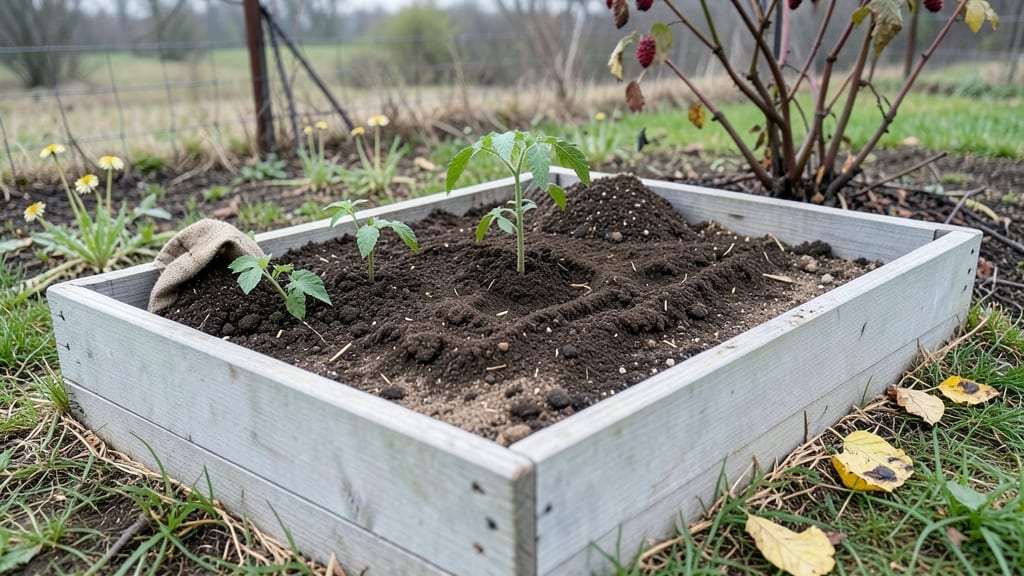
A 4 x 8 raised garden bed requires 64 cubic feet of soil (or roughly 1.85 cubic yards) for a standard 12-inch height, accounting for plant root depth and compaction. Adjust depth for deeper-rooted crops like tomatoes or shrubs, adding 4-6 inches extra soil per plant type.
When planning your raised bed, remember that soil settles over time—especially in the first few months as organic matter breaks down. 🌱 I’ve found that starting with 14-16 inches of soil gives you a buffer for compaction, ensuring roots have room to grow even after settling.
For heavy feeders like potatoes or asparagus, consider adding 2-4 extra inches of nutrient-rich mix to support their deeper needs.
Another key factor is soil type—loose, well-draining mixes (like 60% topsoil, 30% compost, and 10% perlite) work best in raised beds, preventing waterlogging while retaining moisture. If your local soil is clay-heavy, mixing in sand or coconut coir can improve aeration and drainage for healthier plants.
💡 In This Article
- Calculating Soil Volume for Different Raised Bed Dimensions
- Best Soil Mixes for 4x8 Raised Garden Beds
Calculating soil volume for different raised bed dimensions
Here's what's actually happening when you calculate soil volume: you're measuring the three-dimensional space where roots will grow. The formula is simple—length × width × height—but the height matters most for plant health.
A 6-inch bed limits root depth to about 4-5 inches after settling, which works for shallow crops like lettuce or herbs, while a 12-inch bed gives roots 8-10 inches of growing space, ideal for tomatoes or peppers. 🌱 The key factor is how much roots need to spread: deeper beds reduce competition for nutrients and water.
Let's break down the math for common heights. A 4×8×6-inch bed needs 19.2 cubic feet of soil (4×8×0.5), while a 18-inch version jumps to 57.6 cubic feet (4×8×1.5). What most people don't realize is that soil settles 20-30% over time—organic matter decomposes, and particles compact.
To account for this, I always add 25% extra soil when filling beds, especially for taller plants like corn or squash.
For custom dimensions, use this formula: (length in feet × width in feet × height in feet) ÷ 27 = cubic yards. For example, a 3×6-foot bed at 10 inches needs 1.11 cubic yards (3×6×0.83 ÷ 27).
Pro tip: Measure height after framing—boards add thickness, so a 12-inch bed might actually be 11.5 inches inside. This small difference adds up when scaling for multiple beds.
Depth directly impacts plant performance. Shallow beds (6 inches) struggle with drought-prone plants like strawberries, while deep beds (18 inches) support heavy feeders like artichokes or asparagus. The science is clear: deeper soil means more microbial activity, better water retention, and reduced heat stress on roots.
For example, tomato roots can grow 3-4 feet deep in ideal conditions, but a 12-inch bed restricts them to half that potential.
Consider these practical adjustments for different crops:
- Vegetables: 10-12 inches for most (carrots, beans, peppers)
- Fruits/Shrubs: 14-18 inches (blueberries, raspberries, strawberries)
- Herbs: 6-8 inches (basil, parsley, chives)
- Root Crops: 12+ inches (potatoes, onions, beets)
One final detail: soil density varies. A loose mix (like 60% compost) may require 10-15% more volume than dense topsoil to fill the same space. Always fluff your soil mix before filling—packing it tightly reduces air pockets, which roots need for oxygen.
This small step can mean the difference between thriving plants and stunted growth. ✨