
Tools
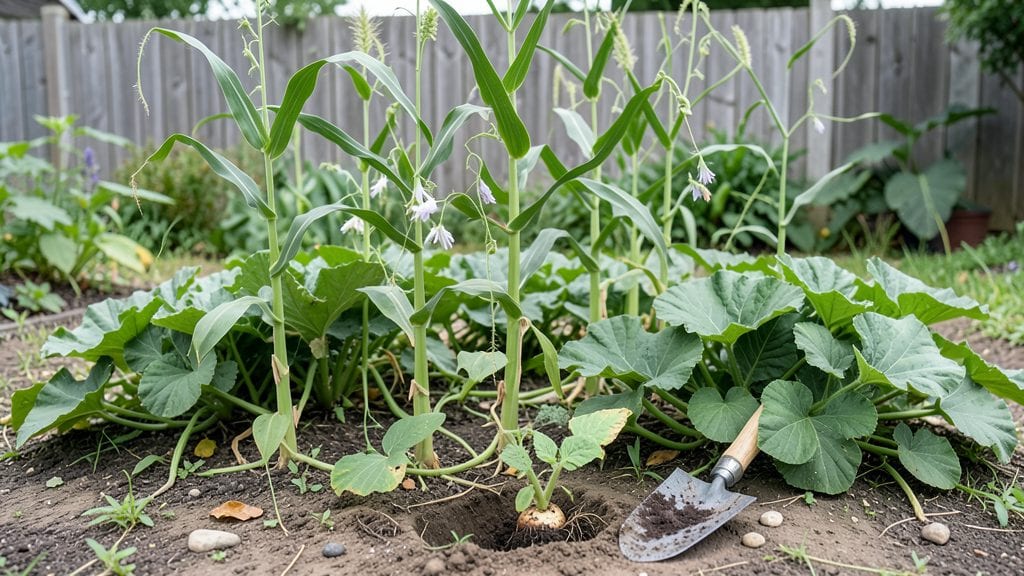
The 3 sisters gardening method combines corn, beans, and squash in one plot, creating a self-sustaining ecosystem that feeds the soil and your table. 🌽 I first tried it after reading about how Indigenous communities used this system for centuries—no synthetic fertilizers, just pure plant teamwork.
The corn grows tall for bean vines, the beans fix nitrogen for the corn, and the squash shades the soil, keeping weeds at bay.
You’ll need a sunny spot with well-draining soil and three healthy plants: pole beans, corn (like sweet or dent varieties), and summer squash or pumpkins. Plant the corn first in a 3-foot circle, then place beans at the base, and tuck squash vines around the edges.
This layout mimics nature’s own garden design, where every plant supports the others.
By midsummer, you’ll have lush green corn stalks climbing with beans, their leaves turning deep purple, while squash sprawls across the ground. The soil stays moist, pests stay away, and you harvest fresh produce straight from this thriving trio. It’s gardening that works with the earth, not against it.
Works in backyards, raised beds, or even containers with dwarf varieties. Once you try it, you’ll never go back to single-crop rows again. Here’s how to get started with this time-tested method!
📚 In This Guide
- What you need
- Instructions
- Tips and common mistakes
- Wrapping up and next steps
What you need
- ● Seeds: 1 packet heirloom corn seeds (e.g., 'Black Aztec' or 'Flint Corn') – 25-50 seeds
- ● 1 packet pole beans (e.g., 'Scarlet Runner' or 'Purple Hull') – 50-100 seeds
- ● 1 packet winter squash seeds (e.g., 'Butternut' or 'Acorn') – 10-20 seeds
- ● Soil & Fertilizer: 2-3 cubic yards of well-draining garden soil (amend with compost if needed)
- ● 1 bag organic compost (5-10 lbs) or worm castings for nutrient boost
- ● 1 lb balanced organic fertilizer (5-5-5 or similar)
- ● Garden Space: A sunny plot (6’x6’ minimum) with full sun (6+ hours/day)
- ○ Optional: Raised beds (if soil quality is poor or mobility is a concern)
- ● Tools: 1 garden trowel (for planting seeds)
- ● 1 hand fork (for loosening soil)
- ● 1 watering can or hose with gentle nozzle (avoid strong streams)
- ● 1 pruners or scissors (for harvesting)
- ● 1 measuring tape (to space plants correctly)
- ● 1 trellis or sturdy stakes (for beans to climb, if desired)
- ● 1 mulch (straw or leaves to retain moisture)
- ● 1 garden journal (to track growth and harvest dates)
- ● 1 pair of gardening gloves (for comfort and hygiene)
- ● 1 spray bottle with water (for seedling care)
Step-by-Step instructions for planting the classic 3 Sisters garden
This traditional Native American planting method creates a thriving ecosystem with corn, beans, and squash.
🌱 Step 1: Choose and Prepare Your Planting Site
Select a sunny spot that receives at least 6-8 hours of direct sunlight daily. The 3 Sisters work best in well-draining soil with a slightly acidic to neutral pH (around 6.0-7.0). Clear any weeds or grass from a 4-foot by 4-foot area—this gives each plant enough room to spread.
Loosen the top 6 inches of soil with a garden fork or tiller. Mix in 2-3 inches of compost to enrich the soil naturally. I like to add a handful of wood ash for potassium, but only if your soil isn’t already acidic. Avoid fresh manure—it can burn young plants and attract pests.
🌿 Step 2: Plant the Corn as the Central Support Structure
Plant 4-6 corn seeds in a loose circle, about 12 inches apart, at a depth of 1 inch. Corn provides the vertical support for beans to climb, so spacing matters. Press the soil gently around each seed to ensure good contact with moisture. Water lightly to settle the soil without displacing the seeds.
Corn needs consistent moisture to germinate, so keep the soil evenly damp (not soggy) until sprouts appear in 7-14 days. You’ll see the first true leaves emerge as two small, pointed blades. Thin to the strongest 3-4 plants once they’re 6 inches tall, pulling weaker seedlings at the base to avoid disturbing roots.
💧 Step 3: Plant Beans Along the Corn Stalks
Wait until the corn reaches 6-8 inches tall before planting beans. Scatter 6-8 bean seeds around the base of each corn plant, about 2 inches apart. Beans fix nitrogen in the soil, enriching it for the corn and squash. Plant them 1 inch deep—they won’t tolerate being buried too deeply.
Water gently after planting to avoid washing seeds away. Beans germinate faster than corn, often in 5-10 days. Once they sprout, watch for tendrils that will naturally cling to the corn stalks. If they don’t climb on their own, gently weave them around the corn stems as they grow. Mulch with 2 inches of straw to retain moisture and suppress weeds.
☀️ Step 4: Add Squash as the Ground Cover
Plant squash seeds around the outer edge of the circle, about 2-3 feet from the corn and beans. Squash spreads wide, shading the soil to retain moisture and deter weeds. Plant 2-3 seeds per hill, 1 inch deep, and thin to the strongest plant once they’re 3-4 inches tall. Water deeply after planting to encourage root growth.
Squash leaves will soon spread across the ground, creating a living mulch. This protects the soil from drying out and keeps weeds at bay. You’ll notice fewer pests in this setup because the squash acts as a natural barrier. Keep the soil consistently moist—squash needs 1 inch of water per week, especially during flowering and fruiting.
✂️ Step 5: Maintain and Harvest for a Bountiful Yield
Throughout the growing season, water at the base of the plants in the morning to reduce evaporation and fungal risks. The 3 Sisters thrive together, so avoid disturbing the roots of any plant. Weed carefully around the edges, but let the squash leaves do most of the work covering the soil.
Harvest corn when the tassels turn brown and the silks dry out, usually 60-90 days after planting. Pick beans when pods are firm and fully colored, typically 50-60 days in. Harvest squash when the rind is hard and the stem dries slightly. Store extras in a cool, dry place for long-term use. This garden doesn’t just produce food—it creates a self-sustaining ecosystem that gets better each year.
Tips & tricks for perfect 3 Sisters gardening
These insider tips will help you create a thriving, self-sustaining garden that honors tradition while adapting to your space.
Soil Prep Secret: Before mixing in compost, conduct a simple soil test using a DIY kit (vinegar and baking soda work) to check pH. If your soil tests too acidic (below 6.0), add crushed limestone—this takes 2-3 months to adjust, so plan ahead. The 6.0-7.0 range is critical for all three plants to thrive together. I've found that adding a thin layer of wood chips after planting helps maintain that perfect pH over time.
Planting Timing Strategy: In Step 2, when planting corn, use a small stick to mark each planting spot—this prevents overcrowding when you thin later. For beans in Step 3, I recommend planting them in two staggered batches: first when corn reaches 6 inches, then again when it hits 8 inches. This extends your harvest window by about 2 weeks. The beans will naturally climb the corn stalks as they grow.
Mulching Mastery: The 2 inches of straw mentioned in Step 3 should be applied immediately after planting beans. This creates a moisture barrier that keeps soil consistently damp without waterlogging. I like to use straw because it breaks down slowly, enriching the soil as it decomposes. Avoid grass clippings—they can compact and hinder root growth. For extra pest protection, sprinkle crushed eggshells around the base after mulching.
Harvesting Cues: For corn in Step 5, the silks should turn completely brown and brittle before harvesting—this usually happens 2-3 days after they first dry out. For beans, gently squeeze a pod—if it pops like a fresh green bean, it's ready. Squash is trickier: tap the rind—it should sound hollow when fully mature. I've found that harvesting squash in the morning gives me the freshest produce for the day.
Pro Tips for 3 Sisters Gardening
- These insider tips will help you create a thriving, self-sustaining garden that honors tradition while adapting to your space.
- Soil Prep Secret: Before mixing in compost, conduct a simple soil test using a DIY kit (vinegar and baking soda work) to check pH.
- Planting Timing Strategy: In Step 2, when planting corn, use a small stick to mark each planting spot—this prevents overcrowding when you thin later.
Frequently asked questions
Got questions about growing the classic "Three Sisters" garden? You're not alone!
This native trio—corn, beans, and squash—is beloved for its sustainability and beauty, but new gardeners often wonder about spacing, timing, and more. Here are answers to the most common queries to help you thrive:
What’s the best way to space the Three Sisters plants in a small garden?
The traditional spacing is 12–18 inches apart for beans (trained up corn stalks), 12–18 inches between corn stalks (in hills or rows), and 3–4 feet between squash vines to allow sprawling. For small spaces, try bush beans and compact corn varieties (like 'Seneca White Eagle')—just ensure squash leaves shade the soil to retain moisture.
When is the ideal planting time for the Three Sisters?
Plant corn first (after the last frost, when soil is 60°F+)—it’s the backbone of the trio. Sow beans 1–2 weeks later (they fix nitrogen, boosting corn growth). Add squash seeds once corn is 6–12 inches tall (late spring to early summer). In cooler climates, use black plastic mulch to warm the soil faster.
Can I grow the Three Sisters without corn? What’s a good alternative?
Yes! If corn isn’t your thing, swap it for sunflowers or tall poles (like bamboo) to support beans. Squash and beans still thrive together—their leaves shade the soil, and beans add nitrogen. Try 'Scarlet Runner' beans (ornamental + edible) or 'Butternut' squash for a low-maintenance trio.
How do I prevent pests like squash bugs or corn earworms in a Three Sisters garden?
Interplanting is your best defense!
The dense foliage of squash deters pests, while beans deter some beetles. Handpick squash bugs (drop them in soapy water ), and use row covers for corn until tasseling. Neem oil or companion plants like marigolds (around the edges) also help. Rotate crops yearly to break pest cycles.
What’s the best way to harvest and store the Three Sisters for long-term use?
Harvest beans when pods are firm but tender (pick regularly to encourage more production). Corn is ready when silks turn brown and kernels squeeze slightly. For squash, pick when skin is hard and seeds soft (before overripening). Store beans and corn in cool, dry places (or freeze corn). Cure squash in the sun for 10 days, then store in a 50–55°F space with good airflow (lasts months!).
Wrapping up and next steps
The Three Sisters gardening method isn’t just a tradition—it’s a sustainable, beautiful, and rewarding way to grow food that nourishes both your garden and community. By planting corn, beans, and squash together, you create a thriving ecosystem that requires less effort, yields more harvests, and honors Indigenous wisdom.
Whether you’re a beginner or a seasoned gardener, this method proves that working with nature—not against it—leads to the most abundant results.
Ready to dig in? Start small—even a 4’x4’ patch can make a difference. Grab your seeds, gather your sisters (or gardening buddies!), and let the magic of the Three Sisters transform your space into a flourishing, year-round garden oasis. 🌱✨