Tools
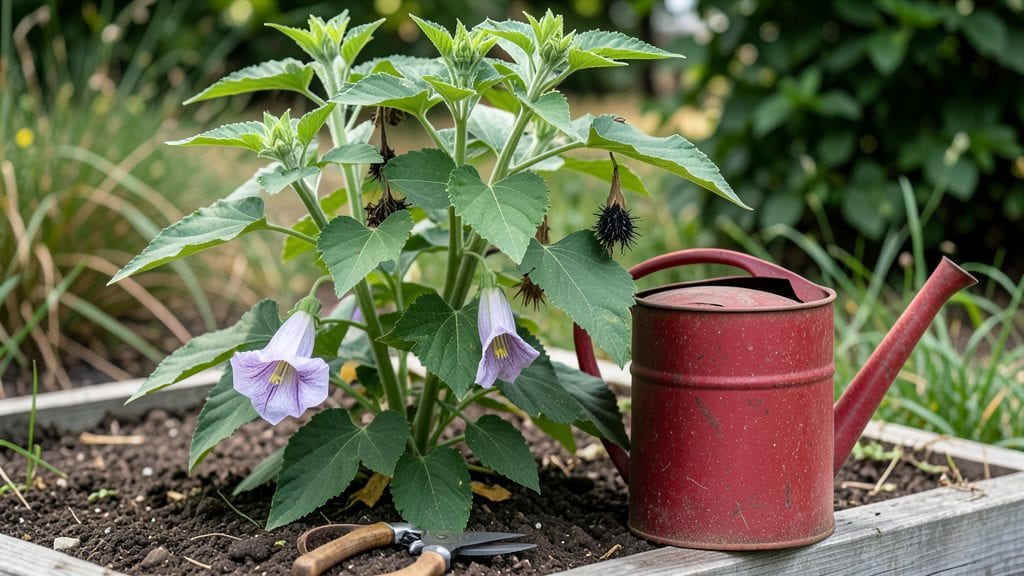
These plants aren't just dangerous—they're deadly in the wrong hands. 🔥 The castor bean's ricin toxin, for example, can kill within days if ingested, while oleander's cardiac glycosides disrupt heart rhythms. Even foxglove, beloved in cottage gardens, contains digitalis, which can cause fatal heart arrhythmias.
I've seen collectors use double-gloved handling and grow them in locked greenhouses to prevent accidental contact or ingestion. The key is treating them with the same caution as handling live ammunition.
Legal restrictions vary by region, but most require permits for growing these species. Always research local laws before attempting cultivation, and never grow them without proper containment. Even a small misstep—like touching your face after handling—could have tragic consequences.
💡 In This Article
- Toxic Compounds in Deadly Garden Plants
- Safety Protocols for Growing Lethal Plants
Toxic compounds in deadly garden plants
The castor bean plant's ricin toxin is one of nature's most lethal substances, with a lethal dose for humans estimated at just 0.0005 grams—about the weight of a few grains of salt.
This protein toxin works by inhibiting protein synthesis in cells, effectively shutting down the body's ability to produce essential enzymes.
Ricin binds irreversibly to the ribosome's 60S subunit, preventing amino acids from forming proteins needed for cellular repair and function. 🔥 The result is multi-organ failure, typically within 3-5 days of exposure, making it one of the most potent plant toxins known.
Foxglove's digitalis glycosides, including digoxin and digitoxin, target the heart's sodium-potassium pumps, disrupting the electrical signals that regulate heartbeat. These compounds increase intracellular calcium levels, causing dangerous arrhythmias like ventricular fibrillation. Even small doses—just 0.1 milligrams of pure digoxin—can be fatal to an adult.
The plant's toxicity varies by part, with the highest concentrations found in the leaves and seeds, which contain up to 0.4% glycosides by dry weight. This makes accidental ingestion particularly perilous, as even a single leaf could contain a lethal dose for a child.
Oleander's cardiac glycosides operate similarly to foxglove's but with even greater potency. A single leaf contains enough toxin to kill an adult, and the plant's sap is absorbed through the skin, making it dangerous even without ingestion.
The active compounds, like oleandrin, bind to the same sodium-potassium pumps as digitalis but with a stronger affinity, leading to more severe cardiac effects.
Oleander's toxicity is further amplified by its resilience—it thrives in poor soil and drought conditions, making it a persistent hazard in gardens where it's often mistaken for ornamental shrubs like frangipani.
What sets these toxins apart isn't just their lethality but how they interact with the body.
Ricin's delayed onset (often 24-48 hours before symptoms appear) makes it particularly insidious, while cardiac glycosides like those in foxglove and oleander act rapidly, causing symptoms like nausea, vomiting, and irregular heartbeat within 30 minutes to 2 hours of exposure.
The route of exposure also matters: ricin is deadly when ingested or inhaled, while oleander's toxins can be absorbed through broken skin or even the eyes, making protective gear essential.
Concentration and plant part play critical roles in toxicity levels. For example, castor bean seeds contain 1-5% ricin by weight, but the toxin is concentrated in the seed's endosperm, not the outer shell.
This means crushing or chewing the seed releases the toxin, while whole seeds may pass through the digestive system without harm. Similarly, foxglove's toxicity peaks in the leaves and seeds, while the flowers contain far less.
Understanding these variations helps explain why some gardeners accidentally poison themselves—assuming a plant is safe because they've only handled the flowers or seeds.
Temperature and processing can also alter toxicity. Drying or cooking doesn't neutralize ricin or cardiac glycosides, though some methods like fermentation or high-heat processing may reduce potency. However, these toxins are heat-stable, meaning even well-cooked meals prepared with contaminated ingredients can remain deadly.
This is why food safety protocols for these plants are stricter than for most agricultural crops, often requiring dedicated equipment and separate storage to prevent cross-contamination.