Tools
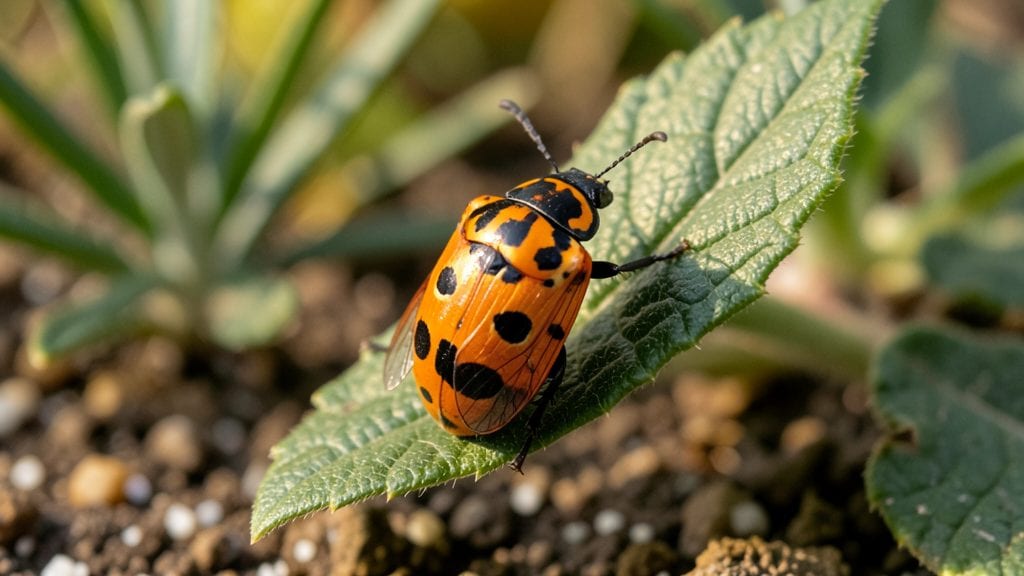
Orange bugs in your garden aren’t always pests—some are helpful, while others can wreck your plants. 🌿 I’ve battled everything from harmless ladybugs to destructive squash bugs, and the difference comes down to timing, identification, and the right approach.
The key is knowing which ones to protect and which to remove before they cause real damage.
Most orange garden bugs you’ll spot are ladybugs, which devour aphids and mites, making them your allies. But squash bugs and even some beetles can turn your zucchini or tomatoes into a buffet.
The first step is separating the good from the bad—ladybugs have spots, while squash bugs have a shield-like back. Once you know who’s who, you can use targeted traps that don’t harm your plants or the beneficial bugs.
Humane traps work by luring pests into containers filled with soapy water or sticky barriers, so you avoid chemicals entirely. I’ve had the best luck with a simple jar-and-funnel setup for squash bugs and a DIY pitfall trap for beetles.
The results? Fewer chewed leaves and no need for sprays. Plus, your garden stays safe for pollinators and other helpful critters.
This method works year-round, whether you’re dealing with a sudden infestation or just want to prevent one. The traps are reusable, cost next to nothing, and give you peace of mind—no more spraying unknowns and hoping for the best. Here’s how to set them up the right way.
Root Causes Of Bright Bugs
Bright orange bugs in your garden aren’t just a nuisance—they’re often a sign of deeper ecological imbalances. Understanding why these critters appear helps you address the real issues, not just the symptoms. Below, we break down the science-backed reasons behind their presence, from environmental triggers to plant-based invitations.
Many orange garden bugs, like harlequin ladybugs or Asian lady beetles, are drawn to decaying organic matter—especially overripe fruit, rotting vegetables, or fallen produce. These sugars and fermenting compounds act as a chemical beacon, signaling an easy food source.
- Why it happens: Bugs rely on volatile organic compounds (VOCs) released by rotting fruit, which their antennae detect from yards away.
- Actionable fix:
- 🍎 Harvest promptly—remove overripe fruit from trees/vines within 24–48 hours.
- 🗑️ Compost far from your garden (at least 50+ feet away) to avoid attracting clusters.
- 🌿 Use mulch sparingly near fruit-bearing plants to reduce hidden decay.
Some orange bugs, particularly multicolored Asian lady beetles, invade homes or gardens in late summer/fall as they prep for hibernation. They target warm, protected spots—like under eaves, in cracks, or within dense foliage—to survive freezing temps.
- Why it happens:
- Bugs use thermoregulation—seeking microclimates where temps stay above 50°F (10°C).
- Garden structures (e.g., woodpiles, rock borders) mimic ideal hibernation sites.
- Actionable fix:
- 🏠 Seal entry points with caulk or weatherstripping on windows/doors.
- 🪵 Store firewood 20+ feet from your home and elevate it off the ground.
- 🍂 Shake out plants before bringing them indoors (check for hidden beetles).
While some orange bugs are predators (e.g., ladybugs that eat aphids), others—like orange tortoise beetles—target specific plants. If your garden has favorite host plants, bugs will overpopulate.
| Bug Type | Loved Plants | Why They Choose It |
|---|---|---|
| Orange tortoise beetles | Squash, cucumbers, beans | Larvae feed on leaf tissue; adults mimic bird droppings to avoid predators. |
| Asian lady beetles | Aphid-infested roses, fruit trees | High-protein prey (aphids) triggers rapid reproduction. |
Actionable fix:
- 🌿 Rotate crops annually to disrupt breeding cycles.
- 🔍 Monitor plant health—stressed plants (e.g., yellowing leaves) attract more bugs.
- 💡 Plant bug-repelling companions like marigolds, garlic, or mint near vulnerable crops.
Orange bugs thrive in warm, humid climates (e.g., Southeast U.S., Pacific Northwest). Mild winters and abundant rainfall create perfect breeding conditions, while drought-stressed areas may see migration surges as bugs seek moisture.
- Why it happens:
- Temps above 75°F (24°C) accelerate their metabolism and reproduction.
- Monsoon-like rains soften soil, making it easier for larvae to burrow.
- Actionable fix:
- 💦 Improve drainage in garden beds to reduce standing water (a bug magnet).
- ☀️ Use row covers in peak summer to deter egg-laying on crops.
- 🌍 Check regional pest alerts—some bugs (like Asian lady beetles) spread via trade winds.
Pro Tip: 🔥 Most orange bugs are harmless or beneficial—focus on prevention (like the fixes above) rather than eradication. If they’re causing damage, targeted traps work better than chemicals!
Practical ways to manage garden pests
Dealing with vibrant orange garden pests can feel like an uphill battle, but the good news is that effective, chemical-free solutions exist. The key is identifying the root cause and applying targeted fixes.
Below, we’ve mapped out practical, humane methods to address common triggers—whether it’s overwatering, poor soil health, or an imbalance in your garden’s ecosystem.
If your garden is a soggy magnet for orange bugs (like fungus gnats or slugs), drainage is your first line of defense.
How to Fix It:
- 🌱 Improve Drainage: Amend heavy clay soil with compost or perlite to help water drain faster. Dig a trench around plant bases to redirect excess moisture.
- ☀️ Adjust Watering Habits: Water deeply but less frequently—aim for 1–1.5 inches per week (including rainfall). Use drip irrigation or soaker hoses to deliver water at the roots, not the leaves.
- 🏗️ Raise Beds or Containers: For high-risk plants, elevate them slightly with bricks or pot feet to prevent water pooling.
💡 Pro Tip: Mulch with straw or pine needles to regulate soil moisture and deter slugs. Avoid thick layers of organic mulch (like wood chips), which can trap moisture.
Orange bugs often thrive when soil lacks nutrients or has imbalances. A healthy soil ecosystem naturally repels pests.
How to Fix It:
- 🌿 Boost Beneficial Microbes: Add compost tea or mycorrhizal fungi to improve soil structure and outcompete pests. Sprinkle worm castings around plants for a nutrient boost.
- 🍄 Balance pH Levels: Test your soil’s pH (ideal for most gardens: 6.0–7.0). Add lime to raise pH or sulfur to lower it, following package instructions.
- 🌱 Rotate Crops: Avoid planting the same family of plants (like tomatoes or peppers) in the same spot yearly. This disrupts pest life cycles and prevents soil depletion.
✨ Quick Fix: Sprinkle diatomaceous earth (food-grade) lightly around plants—it’s a natural desiccant that dries out soft-bodied bugs like slugs and snails.
The best pest control is often preventive ecology. Encourage predators that feast on orange garden pests.
How to Fix It:
- 🐞 Invite Ladybugs & Lacewings: Plant dill, fennel, or yarrow to attract these beneficial insects. Release purchased ladybugs at dusk for maximum effectiveness.
- 🐸 Create Habitat for Frogs & Toads: Set up a small water feature (like a shallow dish with rocks) and leave leaf litter for hiding spots. These amphibians devour slugs and beetles.
- 🐝 Support Bees & Wasps: Plant native wildflowers (e.g., lavender, marigolds) to attract parasitic wasps, which lay eggs in pest larvae.
🎯 Targeted Trap: Place a beer trap (bury a shallow dish filled with beer) near slug hotspots—they’ll crawl in and drown.
Sometimes, the fastest fix is physical removal. Don’t let pests establish a foothold.
How to Fix It:
- 🗑️ Prune & Dispose of Infested Leaves: Check plants daily for orange bugs (e.g., harlequin bugs or stink bugs). Drop them in soapy water or a sealed bag to kill them.
- 🌳 Clear Garden Debris: Piles of leaves, wood, or weeds provide hiding spots. Keep your garden tidy but not barren—leave some leaf litter for beneficial insects.
- 🚫 Quarantine New Plants: Inspect any new additions for pests before bringing them home. Rinse them under water and isolate for a week.
⏰ Timing Matters: Early morning is the best time to spot and remove pests—they’re sluggish when temperatures are cool.
Some plants are naturally resistant to orange bugs, while others act as magnets. Strategic planting can reduce problems.
How to Fix It:
- 🌿 Choose Resistant Varieties: Opt for pepper or tomato varieties bred to resist stink bugs (e.g., ‘Defiant PhR’ peppers).
- 🌳 Interplant with Repellents: Surround vulnerable plants with basil, mint, or garlic—their strong scents deter many pests.
- 🌅 Use Row Covers: For early-season protection, drape floating row covers over seedlings to block adult bugs from laying eggs.
💡 Bonus: Neem oil spray (mixed with water and a drop of dish soap) can deter pests when applied at dusk.
🚀 Prevention Checklist (Do This Weekly):
- [ ] Check soil moisture—water only when top 1–2 inches are dry.
- [ ] Remove any wilting or yellowing leaves (pest hotspots).
- [ ] Inspect the undersides of leaves for eggs or larvae.
- [ ] Add a handful of crushed eggshells around plants to deter slugs.
By combining soil health, natural predators, and smart garden habits, you can keep orange garden pests in check—without chemicals. Start with one or two fixes this week, and watch your garden thrive! 🌱🐞
Frequently asked questions
Are all orange garden bugs harmful to my plants?
Not at all! Many orange bugs are actually beneficial. Ladybugs and their larvae devour aphids, mites, and other soft-bodied pests. Even some beetles help by eating plant-eating insects. The key is identifying them—look for spots (ladybugs) or shield-like backs (squash bugs). If you see damage, that’s your clue to investigate further.
What’s the fastest way to tell if orange bugs are damaging my garden?
Check for chewed leaves, holes in fruit, or sticky residue (aphid honeydew). Squash bugs leave jagged edges, while ladybugs rarely cause visible harm. Examine the undersides of leaves—eggs or larvae are often hiding there. If you spot 3+ bugs per plant, it’s time to act.
Can I use soap water to kill orange bugs without harming my plants?
Yes, but use mild liquid dish soap (1 tsp per gallon of water) and spray only the bugs. Avoid spraying blooming plants or hot sun—it can damage foliage. Test a small leaf first. For stubborn pests, repeat every 3-4 days until they’re gone. This works best for soft-bodied bugs like squash bugs.
Why do I see orange bugs indoors in fall?
They’re likely Asian lady beetles looking for winter shelter. These bugs seek warm, protected spots like window sills, eaves, or behind curtains. Seal gaps with caulk, and keep woodpiles 20+ feet from your home. If they’re already inside, vacuum them up or use a damp cloth to trap and release them outside.
Will commercial bug sprays work on orange garden bugs?
Some will, but they often kill beneficial bugs too. For targeted control, use pyrethrin-based sprays (derived from chrysanthemums) at dusk. Always follow label instructions. For organic gardens, neem oil or insecticidal soap are safer alternatives. If you’re unsure which bugs you’re dealing with, start with humane traps first.