Tools
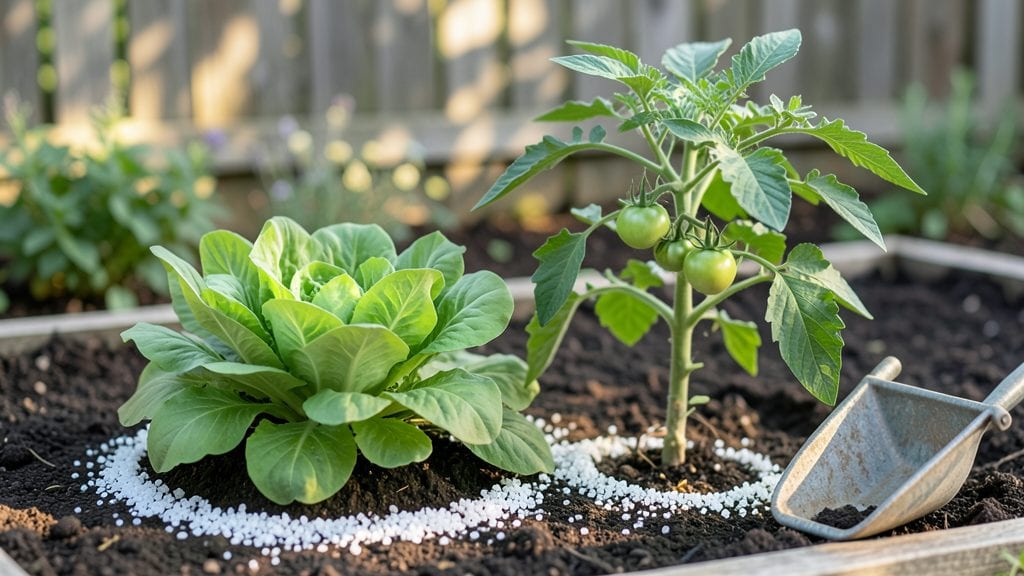
Using magnesium for gardens helps fix yellowing leaves and improves plant vitality by addressing deficiencies like chlorosis, particularly in acidic soils where plants struggle to absorb it. Try Epsom salt or magnesium sulfate sprays for fast results, but always test your soil first to prevent overuse.
Magnesium acts as the backbone of chlorophyll, the pigment that gives plants their green color and powers photosynthesis.
When plants lack this mineral, you’ll often see yellowing between leaf veins—a classic sign of chlorosis—that starts at the older leaves and spreads upward. 🌱 This deficiency weakens plants by reducing their ability to convert sunlight into energy, which is why many gardeners turn to magnesium supplements like Epsom salt to revive struggling plants quickly.
The key is balance: too little causes stunted growth, while too much can disrupt nutrient uptake, so soil testing is your best first step.
💡 In This Article
- How Magnesium Deficiency Affects Plant Health
- Best Magnesium Sources for Garden Soil and Foliar Feeding
How magnesium deficiency affects plant health
Magnesium sits at the center of the chlorophyll molecule, acting as the "magnesium ion hub" that stabilizes the structure needed for photosynthesis. This mineral helps plants absorb sunlight energy at a rate 30-50% more efficient than without it.
When magnesium levels drop below 0.2% of dry soil weight (the critical threshold for most plants), chlorophyll production grinds to a halt in older leaves first, creating that telltale yellowing between veins called interveinal chlorosis. 🌿
The progression of deficiency symptoms follows a clear pattern: older leaves yellow first because plants prioritize moving nutrients to new growth. In severe cases, leaves may develop brown or necrotic spots as cell damage spreads.
Unlike potassium deficiencies (which cause leaf edges to burn) or calcium deficiencies (which stunt root growth), magnesium issues specifically attack the leaf's photosynthetic machinery. This is why magnesium-deficient plants often appear stunted yet still produce new leaves—those leaves just can't function properly.
Here's where it gets interesting: magnesium also activates 30+ enzymes involved in energy transfer, protein synthesis, and even DNA repair. Without sufficient magnesium, plants can't efficiently convert glucose into starch or transport nutrients through their vascular system.
The result? Weak stems, poor fruit development, and plants that look green but perform like they're running on half a tank of gas. 💡
Soil pH plays a huge role in magnesium availability. In acidic soils (pH below 6.0), magnesium ions become locked in the soil particles, making them inaccessible to plant roots.
This is why many gardeners see magnesium deficiency symptoms in plants growing in peaty or sandy soils—these soil types have poor cation exchange capacity, meaning they can't hold onto magnesium well. The solution? Amending soil with magnesium-rich materials or using foliar sprays that bypass soil chemistry entirely.
Let's compare magnesium to its nutrient cousins: potassium and calcium. While potassium helps regulate water balance and disease resistance, and calcium strengthens cell walls, magnesium is the unsung hero of energy production. Without magnesium, even potassium-rich soils won't help plants grow properly.
The key difference? Magnesium is mobile within the plant, so symptoms appear in older leaves first, while calcium deficiencies show up in new growth because calcium can't be moved around once it's deposited.
What most gardeners don't realize is that magnesium deficiency often mimics other nutrient issues. For example, nitrogen deficiency also causes yellowing, but it starts with younger leaves first.
The telltale sign of magnesium deficiency is that the veins remain green while the tissue between them turns yellow—a clear visual clue that your plant's photosynthesis factory is shutting down. 🔍