Advice
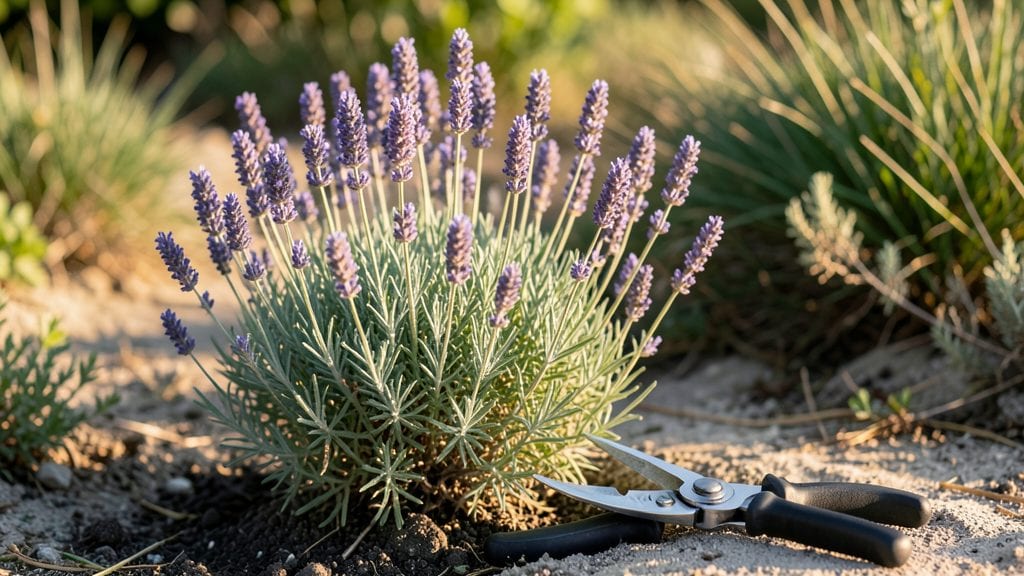
Essential gardening safety tips aren’t just about avoiding injuries—they’re about protecting what matters most: your family, your pets, and the joy of your garden itself. I learned that the hard way when a stray rake handle sent my neighbor's dog to the vet.
The right precautions turn every gardening day into a worry-free experience, not a trip to the emergency room.
Start with the basics: gloves that fit snugly (not too tight, not too loose) and closed-toe shoes to shield your feet from dropped tools or sharp rocks. Chemicals deserve extra caution—always read labels, wear a mask when handling pesticides, and store them out of reach of curious hands or paws.
Even organic sprays can irritate skin or lungs if misused.
Your back will thank you for bending at the knees, not the waist, and lifting with your legs—not your spine. Keep tools sharp and well-maintained; dull blades require more force and create more slip hazards.
A 10-minute tool check before each session prevents most accidents. Kids and pets need their own rules: designate a "no-dig" zone for little ones and keep them away from compost piles where critters might hide.
Small adjustments make a big difference—like storing tools with handles facing the wall so they don't fall on someone walking by. The goal isn't fear; it's confidence. With these habits, your garden becomes a place of growth, not worry. Let's make it happen safely.
Hidden Causes Behind Common Injuries
Gardening might seem like a peaceful pastime, but it hides several unexpected risks. Understanding why accidents happen is the first step to preventing them. Below, we break down the science and mechanics behind the most frequent gardening hazards—so you can outsmart them before they strike.
Many gardeners suffer from strains, sprains, or even long-term conditions like carpal tunnel syndrome or tendonitis—not because they’re clumsy, but because tools are often designed for power, not comfort. Here’s why:
- Unnatural Grips & Angles – Tools like pruners, trowels, and shears force your wrists into awkward positions, increasing pressure on tendons. Over time, this leads to repetitive stress injuries (RSIs).
Studies show that gripping a tool at a 90-degree angle can increase wrist strain by up to 50% compared to an ergonomic design. - Heavy or Unbalanced Tools – A shovel with a poorly distributed weight forces your back and shoulders to compensate, mimicking the biomechanics of a poorly executed deadlift.
This is why gardeners often report lower back pain—their bodies aren’t built for prolonged leverage against gravity. - Vibration Exposure – Power tools like string trimmers and hedge trimmers emit high-frequency vibrations (often exceeding 25 Hz), which can cause vascular disorders (like white finger syndrome) by restricting blood flow to extremities.
Actionable Fix: Opt for tools with ergonomic grips, lightweight materials (like aluminum or composite handles), and anti-vibration technology. Take frequent micro-breaks (every 15-20 minutes) to stretch your wrists and rotate tools to avoid overloading one hand.
Gardening in scorching sun, humidity, or sudden temperature drops can turn a relaxing activity into a medical emergency. Here’s the science:
- Dehydration & Heat Exhaustion – Sweating cools your body, but in high heat (above 80°F/27°C), your hypothalamus (the body’s thermostat) struggles to regulate core temperature.
Without enough water, blood pressure drops, leading to dizziness, nausea, or even heat stroke (core temp >104°F/40°C). - Sunburn & UV Exposure – The sun’s UVA/UVB rays penetrate skin layers, damaging collagen and increasing melanoma risk by 75% for outdoor workers (per the International Agency for Research on Cancer).
Even on cloudy days, 80% of UV rays still reach the ground. - Cold-Related Injuries – Frostbite and hypothermia aren’t just winter risks. Wind chill accelerates heat loss—at 20°F (-7°C) with 20 mph winds, exposed skin can freeze in under 30 minutes, per the National Weather Service.
Actionable Fix:
- Hydrate with electrolytes (not just water)—coconut water or sports drinks replace lost sodium.
- Wear UPF-rated clothing (like long sleeves with a UPF of 50+) and broad-spectrum SPF 30+ sunscreen (reapply every 2 hours).
- Acclimate gradually—limit outdoor work to early morning or late afternoon during heatwaves.
Not all gardening threats are visible. Some are microscopic, venomous, or just plain sneaky:
- Plant Toxins (Saponins, Oxalates, Glycosides) – Plants like foxglove (digitalis), oleander, or poison ivy contain cardiac glycosides (foxglove) that disrupt sodium-potassium pumps in cells, leading to irregular heartbeat or organ failure.
Even touching stinging nettles releases formic acid, causing chemical burns (like a bee sting). - Insect Bites & Venoms – Fire ants inject solenopsin, a neurotoxin that causes severe allergic reactions (including anaphylaxis in some people).
Ticks carry Borrelia bacteria (Lyme disease), which can migrate to joints and the nervous system if untreated. - Mold & Fungal Spores – Decaying organic matter (like compost piles) releases aspergillus spores, which can trigger asthma attacks or fungal infections (like valley fever) in people with weakened immune systems.
Actionable Fix:
- Wear gloves and long sleeves when handling unfamiliar plants—always check a plant database (like the University of California’s Toxic Plants Guide) before digging.
- Use EPA-approved insect repellents (like picaridin or DEET) and tick removal tools (never squeeze a tick—use fine-tipped tweezers).
- Ventilate compost piles to reduce mold—turn them frequently and keep them no larger than 3’ x 3’ x 3’.
Falls account for 20% of all gardening injuries, often due to hidden dangers in the soil:
- Hidden Roots & Gopher Holes – Tree roots can shift seasonally, creating trip hazards.
Gophers and moles create subsurface tunnels that can collapse underfoot, leading to ankle sprains or worse. - Wet or Compacted Soil – After rain, soil can become slippery (like a freshly waxed floor), with a coefficient of friction as low as 0.3 (similar to walking on ice). Loose mulch or gravel also increases trip risks. - Improper Ladder Use – 70% of ladder-related falls happen because the ladder is placed on uneven ground or unstable surfaces (like soft soil).
A ladder on loose dirt can sink, shifting your center of gravity dangerously.
Actionable Fix:
- Wear traction cleats or grip-soled shoes (like rubber boots with deep treads).
- Test ground stability before stepping—tap the soil with your foot to check for hidden holes.
- Use a ladder stabilizer or place it on a firm, level surface (like a wooden board) to prevent sinking.
Pesticides, fertilizers, and even well-meaning compost tea can become hazards when mishandled:
- Poisonous Fumes – Organophosphates (common in some insecticides) inhibit acetylcholinesterase, a critical enzyme for nerve function.
Exposure can cause nausea, muscle twitching, or respiratory failure. - Skin Absorption – Paraquat (a herbicide) is highly toxic if absorbed through the skin—even a drop can cause kidney failure within days. - Contaminated Water Sources – Runoff from fertilizers (like nitrogen-rich compounds) can leach into groundwater, creating blue baby syndrome (methemoglobinemia) in infants.
Actionable Fix:
- Store chemicals in their original containers (never repurpose soda bottles!) and label them clearly.
- Wear a respirator mask (like an organic vapor respirator) when applying pesticides.
- Follow the 24-hour rule—never water plants immediately after fertilizing to prevent runoff.
Kids and pets explore with no regard for danger, turning gardens into unintentional playgrounds for hazards:
- Sharp Edges & Tools Left Out – A trowel left in the grass can cause deep lacerations—children’s skin is thinner and more prone to tearing.
- Poisonous Berries & Plants – Nightshade (Solanum spp.) and deadly nightshade (Atropa belladonna) contain tropane alkaloids, which can cause hallucinations, seizures, or coma in pets.
- Drowning Risks – Kiddie pools, rainwater collection barrels, or even deep planters can become tragic drowning hazards—children can drown in as little as 1 inch of water.
Actionable Fix:
- Install childproof locks on shed doors and store tools out of reach.
- Create a "safe zone" with pet-friendly plants (like cat grass or lavender) and avoid toxic varieties (check the ASPCA’s toxic plant list).
- Empty water sources immediately after use and cover pools with a weighted tarp.
Quick Fixes for Common Garden Hazards
Gardening should be rewarding, not risky—but accidents happen when we overlook hidden dangers. Whether it’s sharp tools, slippery surfaces, or pesky pests, knowing how to address these issues fast keeps your garden safe and your family protected.
Below are practical, step-by-step solutions for the most common gardening hazards, plus prevention tips to avoid future mishaps.
Cause: Rain, spills, or uneven soil can turn your garden path into a hazard. Fix It:✅ Clear the area immediately – Sweep up debris, water spills, or loose mulch. Use a broom or leaf blower for quick cleanup.
✅ Add traction – Lay down non-slip mats, gravel, or rubber mulch on high-traffic paths. Avoid smooth stones or wet leaves.
✅ Improve drainage – If puddles persist, redirect water with a small trench or French drain. Raised beds can also help.
💡 Prevention Tip: Wear sturdy, slip-resistant shoes (like hiking boots or garden clogs with grip) and avoid walking on wet grass. Cause: Dull blades, rusty tools, or overgrown plants (like roses or blackberries) lead to painful injuries. Fix It:✅ Sharpen your tools – Use a file or sharpening stone to keep shears, pruners, and shovels in top condition. A dull blade requires more force—and more risk of slipping.
✅ Store tools safely – Hang them on a wall rack or use a tool belt to prevent tripping. Always close blades when not in use.
✅ Wear protective gear – Gloves with reinforced palms (for thorny plants) and long sleeves can shield your skin. For heavy pruning, add safety goggles.
💡 Prevention Tip: Keep a first-aid kit nearby with antiseptic wipes, bandages, and tweezers (for splinters or thorn removal). Cause: Bees, wasps, fire ants, or poison ivy can trigger reactions ranging from itchy bumps to severe swelling. Fix It:✅ Remove stinging insects – If you spot a nest, do not disturb it. Call a pest control professional instead. For lone bees, calmly back away.
✅ Treat bites/stings –
- 🌡️ Ice pack: Reduces swelling (wrap ice in a cloth first).
- 🧴 Hydrocortisone cream: Eases itching (avoid if allergic to bees).
- 💊 Antihistamines: Like Benadryl for mild reactions (consult a doctor for severe symptoms).
✅ Identify poison ivy/oak – Remember the rhyme: "Leaves of three, let it be!" Wash skin immediately with soap and water if exposed.
💡 Prevention Tip: Plant bee-friendly flowers away from high-traffic areas. Wear light-colored clothing (bees see dark colors as threats) and avoid perfumes/scented lotions. Cause: Long hours in the sun without breaks or water can lead to dizziness, nausea, or heat exhaustion. Fix It:✅ Take breaks every 20–30 minutes – Step into the shade, sip water, and cool your neck with a damp cloth.
✅ Dress for the heat – Wear a wide-brimmed hat, UV-protective clothing, and sunglasses. Light colors reflect sunlight better.
✅ Hydrate smartly – Drink water before you feel thirsty. Add electrolytes (like coconut water) if gardening for hours.
💡 Prevention Tip: Schedule strenuous tasks (like digging or weeding) for early morning or late afternoon. Use a misting fan or portable spray bottle for instant relief. Cause: Improper handling of garden chemicals can cause skin irritation, respiratory issues, or poisoning. Fix It:✅ Read labels carefully – Follow mixing ratios and safety instructions. Never use food containers to store chemicals.
✅ Wear protective gear – Long sleeves, gloves, and a mask (for granular or spray applications) are a must.
✅ Store chemicals safely – Keep them in a locked shed, away from children and pets. Use childproof latches.
✅ Clean up spills immediately – Use sand or cat litter to absorb liquid spills, then dispose of it properly.
💡 Prevention Tip: Opt for organic alternatives (like neem oil or compost tea) to reduce chemical exposure. Always wash hands after handling plants treated with pesticides. Cause: Toxic plants, sharp tools, or digging hazards can endanger little ones or pets. Fix It:✅ Pet-proof your garden –
- 🌿 Avoid toxic plants: Lilies, azaleas, and sago palms are dangerous. Check the ASPCA’s toxic plant list.
- 🚫 Fence off hazardous areas: Keep compost piles, tool sheds, and ponds secured.
- 🧴 Train pets to stay out: Use sprays (like citrus or vinegar) on garden edges to deter digging.
✅ Childproof tools and storage – Use tool locks, keep blades in a high cabinet, and teach kids to "stop, look, and ask" before touching plants or tools.
💡 Prevention Tip: Create a "safe zone" with kid/pet-friendly plants (like sunflowers, marigolds, or mint) near play areas.With these fixes, your garden can stay a place of joy—not danger. The key is proactive prevention paired with quick action when hazards pop up. Stay sharp, stay safe, and happy gardening! 🌱🛡️
Frequently asked questions about outdoor cultivation safety
What are the most common gardening injuries to watch for?
Cuts from sharp tools, muscle strains from awkward lifting, and sunburn top the list. Repetitive stress injuries (like tendonitis) from gripping tools wrong also happen often. Always check your tools before use and take 5-minute stretch breaks every hour to prevent strain.
How do I safely handle pesticides without harming myself?
Never mix chemicals in unmarked containers and always wear nitrile gloves, long sleeves, and a mask rated for organic vapors. Store pesticides in their original containers with childproof locks, and keep them in a locked shed. Follow the 24-hour rule: never water plants immediately after applying fertilizer.
What should I do if my child or pet eats a garden plant?
First, identify the plant using a database like the ASPCA's toxic plant list. For pets, call the ASPCA Poison Control Hotline (888-426-4435). For children, contact Poison Control (1-800-222-1222). Keep a first-aid kit with activated charcoal handy for emergencies.
Are there safe alternatives to chemical fertilizers?
Yes! Try compost tea, worm castings, or organic options like fish emulsion and bone meal. These reduce exposure to harmful fumes while still providing nutrients. Always wear gloves when handling organic amendments, as some (like manure) can carry bacteria.
How can I protect my garden from pests without harming bees?
Plant bee-friendly flowers like lavender or sunflowers away from vegetable beds. Use physical barriers (like row covers) or organic sprays (neem oil) during early morning when bees are less active. Avoid spraying when flowers are open to protect pollinators.