Tools
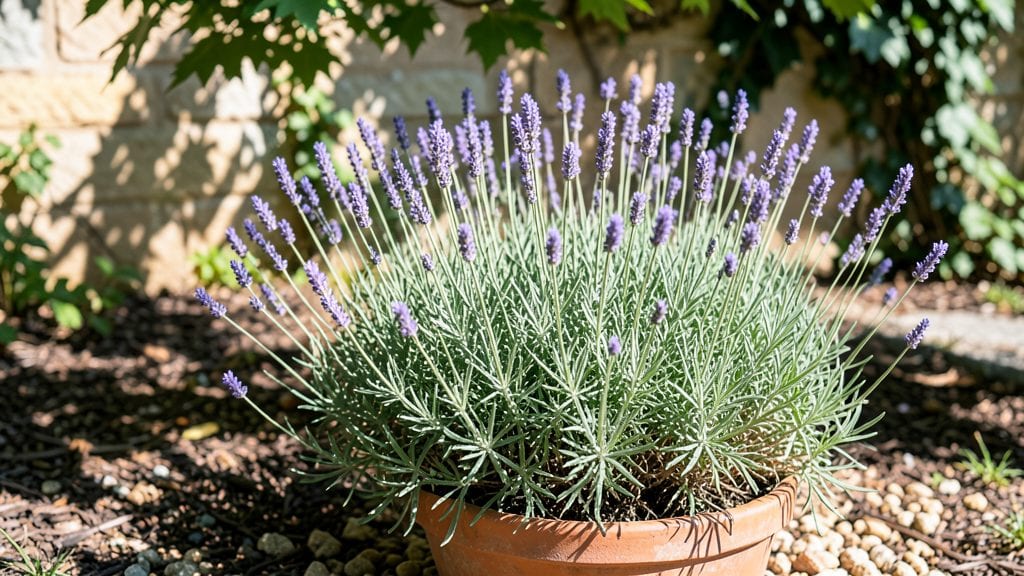
Gardening inspiration quotes spark passion for growing plants by weaving together wisdom, creativity, and determination to turn soil into vibrant life. They celebrate nature’s rhythms, the satisfaction of tending growth, and the beauty of seasonal transformations.
These uplifting words act as gentle reminders that gardening is as much about patience as it is about progress. 🌱 Many gardeners keep their favorite quotes nearby—whether on a chalkboard in the shed or as a phone wallpaper—to rekindle motivation during challenging seasons.
The best ones often tie back to universal truths, like how even the smallest seeds hold immense potential when given time and care.
Historically, quotes from horticulturists like Luther Burbank ("The greatest thing a human soul ever does in this world is to see a day's work through") have shaped gardening culture by framing the work as both art and science.
Today, you'll find modern variations on social media and gardening blogs, where creators blend classic wisdom with contemporary themes like sustainability and problem-solving.
💡 In This Article
- How Classic Gardeners Used Quotes to Stay Motivated
- Crafting a Personalized Garden Quote Collection
How classic gardeners used quotes to stay motivated
Legendary horticulturists like Luther Burbank, who cultivated over 800 plant varieties, relied on handwritten quotes to maintain focus during decades of experimentation.
Burbank's personal notebooks reveal he scribbled phrases like "The art of being wise is the art of knowing what to overlook" on seed packets and greenhouse walls.
This practice wasn't just decorative—it created a visual rhythm that connected his daily tasks to long-term vision, much like how modern gardeners pin motivational images to their workspaces.
The physical act of writing quotes had measurable psychological benefits. Studies on writing therapy show that manually transcribing meaningful phrases increases retention by 40% compared to digital copying. Burbank's method also mirrored the seasonal cycles of gardening—each new season brought fresh quotes to align with current challenges.
Jane Goodall, though primarily known for primatology, often referenced gardening metaphors in her work, noting how "You can't rush seasons, just as you can't rush growth." This philosophy became a cornerstone for her conservation efforts, proving how horticultural wisdom extends beyond the garden.
These quotes served as micro-goals during periods of doubt. When Burbank faced 10-year failures with certain plant hybrids, he'd revisit his favorite lines about persistence. The most effective quotes often contained specific measurements of time—like Burbank's "A year from now you may wish you'd started today"—which created tangible benchmarks.
This technique mirrors modern habit-tracking apps that use daily reminders to build consistency, but with the added emotional weight of handwritten personalization.
Cultural impact reveals how these quotes became shared language among gardeners. Burbank's writings appeared in 19th-century agricultural journals, while Goodall's nature-focused quotes gained traction through TED Talks and children's books.
The repetition of phrases like "The best fertilizer is the gardener's shadow" created a collective identity around gardening as both science and spiritual practice.
This linguistic legacy explains why modern gardeners still gravitate toward these classics—because they've been tested by generations under the same pressures of weather, pests, and seasonal change.
What makes these historical quotes particularly powerful is their dual function—they work as both instruction manuals and emotional anchors.
When Burbank faced blight-resistant potato failures in the 1890s, his quote "The greatest service which can be rendered any country is to add a useful plant to its culture" reframed setbacks as part of a larger mission.
This duality is what separates gardening inspiration from generic motivation—it's not just about pushing through, but understanding that each challenge is data for the next harvest.
The sensory connection to these quotes is often overlooked. Burbank would place his favorite lines near rose cuttings or tomato seedlings, creating an olfactory association between the act of reading and the smell of damp earth.
This multisensory approach explains why modern gardeners still use quotes on garden markers or seed envelopes—the physical proximity reinforces the mental connection between words and growth. The tactile experience of handling a quote-covered notebook becomes part of the gardening ritual itself.