Tools
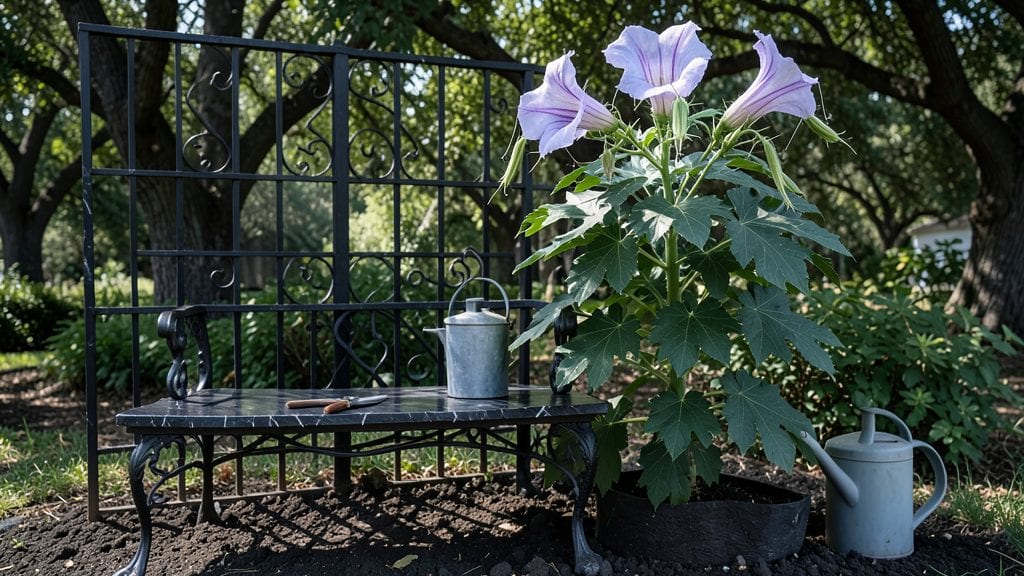
A dark gothic garden feels like stepping into a Victorian novel, where every shadow tells a story. 🌿 I’ve always been drawn to spaces that whisper history—think wrought iron gates, crumbling stone paths, and plants that thrive in twilight.
This isn’t just gardening; it’s creating a mood, a sanctuary where drama unfolds in deep purples, velvety blacks, and silvered moonlight.
The magic starts with plants that embrace the gloom: black lace elderberry, the eerie glow of purple smoke bush, or the haunting elegance of bleeding hearts. Pair them with architectural touches like iron trellises or moss-covered arches, and suddenly, your garden becomes a living tableau.
Historical gardens like those of the medieval cloisters or Victorian mourning gardens prove this style isn’t just aesthetic—it’s timeless.
You’ll craft a space that feels alive after dark, where lantern light flickers over dark foliage and the scent of night-blooming jasmine lingers. The key? Layering textures—glossy leaves, rough bark, and smooth stone—to create depth that feels both wild and intentional.
Every element should feel like it belongs in a gothic romance novel.
This design works in any climate, from coastal foggy gardens to shaded urban courtyards. The goal isn’t perfection; it’s atmosphere. Let the garden breathe, age gracefully, and tell its own eerie, beautiful story. Ready to bring the shadows to life?
📚 In This Guide
- What you need
- Instructions
- Tips and common mistakes
- Wrapping up and next steps
What you need
- ● Dark, Moisture-Loving Plants: 2-3 Hellebores (Lenten Rose) – for winter blooms
- ● 1 Bleeding Heart (Dicentra spectabilis) – delicate, shadow-friendly foliage
- ● 3-5 Hostas (various sizes) – lush, textured greenery
- ● 1 Black Mondo Grass (Ophiopogon planiscapus 'Nigrescens') – deep, velvety ground cover
- ● 2-3 Ferns (e.g., Dryopteris or Matteuccia) – for ethereal, feathery details
- ● Structural Elements: 1-2 Wrought-iron or black metal trellises – for climbing roses or ivy
- ● 3-5 Weathered stone or slate slabs (12"x18" or larger) – as stepping stones or borders
- ● 1 Vintage-style birdbath or urn – for a gothic focal point
- ● Soil & Mulch: 10 bags peat moss or compost – for acidic, moisture-retentive soil
- ● 5 bags pine bark mulch – to suppress weeds and add texture
- ● Tools: 1 Garden trowel – for planting
- ● 1 Pruning shears – for shaping plants
- ● 1 Wheelbarrow or garden cart – for hauling materials
- ● 1 Garden hose with adjustable nozzle – for deep watering
- ● 1 Measuring tape & stakes – for layout planning
- ● Dramatic lighting: Solar-powered black metal lanterns or spotlights for nighttime ambiance
- ● Arbor or pergola: A twisted-wood or metal arbor draped with ivy or clematis
- ● Gothic accents: Antique statues, weathered crosses, or iron gates for focal points
- ● Scented plants: Night-scented stocks or jasmine for an eerie, romantic fragrance
- ● Moss & lichen: Pre-grown moss sheets for instant texture on stones or walls
Instructions for designing a dark gothic garden
Here's how to craft a hauntingly beautiful garden that thrives in shadows with deep, atmospheric charm.
🌿 Step 1: Select Your Shadowy Plant Palette
Start with plants that thrive in low light and add texture with deep greens, purples, and blacks. I reach for heuchera with its velvety foliage, lamium for trailing purple cascades, and black mondo grass for striking contrast. These plants love partial to full shade and create the moody foundation of a gothic garden.
Add ferns like maidenhair or Japanese painted fern for delicate, feathery details that soften the drama. These shade-lovers will fill gaps and create movement in the dappled light. Avoid anything with bright yellows or whites—they’ll clash with the dark, moody aesthetic.
🪴 Step 2: Layer Plants for Depth and Mystery
Use tall, dramatic plants like cimicifuga (bugbane) or gunnera as your backbone—they’ll tower over the space and create a gothic silhouette. Place these at the back or center of your design, where they’ll cast long, dramatic shadows. Next, add mid-height plants like hostas or astilbes to fill the middle layer, ensuring no bare soil shows.
Finally, trailing plants like lamium or ivy will spill over edges, creating a soft, mysterious border. This layered approach mimics the depth of a forest floor, where light filters through leaves in intricate patterns. Don’t forget to leave some gaps—negative space is key to the gothic aesthetic.
☀️ Step 3: Incorporate Moody Hardscaping
Gothic gardens thrive with dark, weathered materials. I use black slate or dark gravel for pathways to contrast with the softness of plants. Add wrought-iron trellises or aged stone arches for vertical drama—these elements frame the garden and add architectural interest. Even a simple black metal gate can elevate the mood instantly.
Consider water features like a black basalt fountain or a small, still pond lined with dark stones. The sound of water trickling through shadows adds another layer of atmosphere. If you’re working with limited space, a single dark urn or obelisk can serve as a focal point without overwhelming the garden.
✂️ Step 4: Maintain the Dark Drama Year-Round
Prune aggressively but strategically to keep the garden looking wild yet intentional. I shear heuchera and hostas back in early spring to encourage fresh, deep foliage, but leave ferns and ivy mostly untouched—their natural shape adds to the gothic feel. Deadhead astilbes and cimicifuga in late summer to keep them tidy without sacrificing their dramatic height.
Mulch with dark bark or black rubber mulch to suppress weeds and deepen the color palette. Avoid bright mulches—they’ll clash with the moody tones. In winter, evergreens like boxwood or yew will keep the garden structured even when other plants fade. A few bare branches of ornamental grasses add texture and movement when everything else is still.
Tips & tricks for perfect dark gothic gardens
Creating a gothic garden isn't just about planting—it's about crafting an atmosphere. Here are my go-to tricks for achieving that hauntingly beautiful look.
The Plant Placement Secret: In Step 1, when selecting your shadowy palette, remember that light plays a crucial role. Place your black mondo grass and heuchera in the brightest spots within your shade areas—their deep colors will stand out most dramatically where light filters through. The lamium and ferns can handle deeper shadows, creating that mysterious, layered forest floor effect.
Layering Like a Pro: When building your layers in Step 2, think vertically as well as horizontally. Your cimicifuga and gunnera should reach for the sky, but don't forget to weave hostas and astilbes between them at different heights. This creates that "forest understory" look where sunlight barely reaches the ground. I like to leave about 12-18 inches of space between each layer to maintain that airy, mysterious feel.
Hardscaping with Impact: For Step 3, don't underestimate the power of contrast. The dark black slate pathways should be at least 2-3 feet wide to make a statement, but narrow pathways (18-24 inches) work beautifully for winding through plantings. For vertical elements, consider adding a wrought-iron trellis near your ivy—the way the light filters through both creates stunning silhouettes at dusk. Even a simple black metal gate can become your garden's focal point when positioned strategically.
Maintenance Made Easy: In Step 4, when it comes to pruning, I've found that using sharp, clean shears makes all the difference. For heuchera and hostas, I cut back to about 2-3 inches above the ground in early spring—this encourages fresh growth while maintaining that velvety texture. With ferns and ivy, less is more. A gentle trim to remove dead fronds is all you need to keep them looking natural and wild. For winter interest, leave some ornamental grasses standing—their seed heads add texture and movement against the bare branches of evergreens.
Pro Tips for Dark Gothic Garden
- Creating a gothic garden isn't just about planting—it's about crafting an atmosphere.
- The Plant Placement Secret: In Step 1, when selecting your shadowy palette, remember that light plays a crucial role.
- Layering Like a Pro: When building your layers in Step 2, think vertically as well as horizontally.
Frequently asked questions
about creating a dark gothic garden—because even the most dramatic spaces need a little clarity!What plants thrive in a dark gothic garden?
A dark gothic garden thrives on moody, low-light-tolerant plants like black mondo grass, heuchera (with deep purple foliage), ferns, and ebony bamboo. For height and drama, try dracaena or monstera deliciosa. Avoid sun-lovers like roses—they’ll wilt in perpetual shade!
How long does it take to establish a dark gothic garden?
Patience is key! A fully mature dark gothic garden takes 3–5 years, depending on plant growth rates. Slow-growing evergreens (like boxwood) may take longer, while ferns and hostas establish faster. Start small—focus on structural plants first, then layer in annuals for seasonal drama.
Is a dark gothic garden expensive to maintain?
Not necessarily! While statues, wrought-iron fencing, and rare plants can add up, you can create a moody vibe on a budget. Opt for thrifted decor, local stone, and low-maintenance perennials. Mulch heavily to suppress weeds and reduce watering needs—dark soil = fewer pests!
Can I create a dark gothic garden in a sunny climate?
Use strategic shade—plant tall evergreens or trellises to cast permanent shadows, or install permanent fabric shade cloth. Choose heat-tolerant dark foliage like purple smoke bush or black lace elderberry. Just avoid direct sun on delicate moody textures (like moss or lichen).
What’s the biggest mistake beginners make?
Overcrowding! A true gothic garden relies on negative space for its eerie elegance. Avoid planting too densely—this invites pests, mold, and poor airflow. Instead, use structural elements (arbors, benches, or sculptures) to define areas. Think hauntingly sparse, not cluttered!
Wrapping up and next steps
A dark gothic garden isn’t just a space—it’s a mood, a story, and a tribute to nature’s most dramatic side. With the right mix of shadow-loving plants, eerie textures, and atmospheric lighting, you’ve got the tools to craft a year-round sanctuary of mystery and elegance.
Whether you’re a seasoned gardener or just starting, this vision is within reach!
🌿 Ready to Dive In?
Start small—sketch your layout, gather your materials, and let your creativity guide you. Every dark corner of your garden is a blank canvas waiting for your gothic masterpiece. Happy planting! 🖤